Clean mister nozzles are essential for consistent spray patterns and efficient irrigation in any garden or greenhouse. Mineral buildup, algae, and dirt can clog small orifices, reducing mist quality and coverage. This guide walks through practical steps, the right tools, and smart maintenance routines to keep misting systems operating at peak performance.
Quick Answer
To restore mist quality, start by disconnecting power and depressurizing the system, then use a dedicated cleaning brush set or an ultrasonic cleaner to remove mineral scale. For stubborn clogs, soak nozzles in a vinegar solution, rinse, and re-test. Regular maintenance with the right tools prevents frequent clogs and prolongs nozzle life.
What You’ll Need
- mister spray nozzle cleaning brush set
- ultrasonic cleaner for spray nozzles
- garden misting system nozzle cleaning kit
- replacement misting nozzle cleaning brush
- spray bottle nozzle cleaning tool
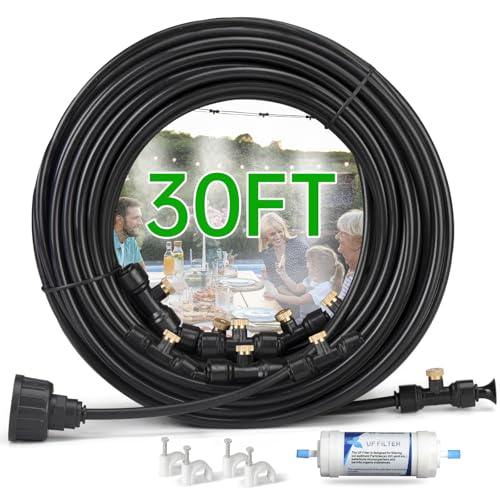
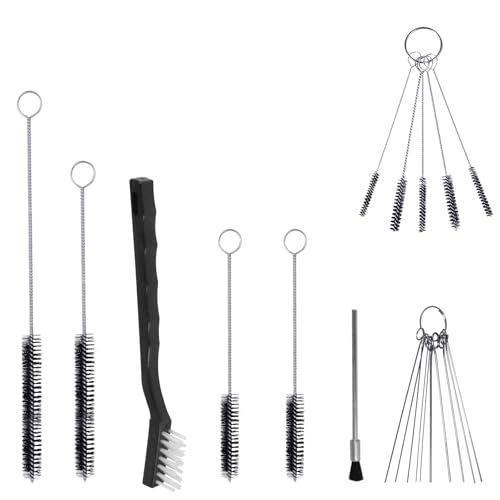

Before You Start
Plan a downtime window to service the system, ideally when weather is mild to avoid plant stress. Wear eye protection and gloves to prevent mineral dust and cleaning solutions from contacting skin. Always depressurize the line and disconnect from power before handling nozzles. Have a ruler or calipers handy to check nozzle orifice size if you’re verifying spray patterns. Expect a typical cleaning session to take 20–40 minutes per cluster of nozzles, depending on system size and buildup. Crucial cautions: never run the system while a nozzle is removed, and avoid abrasive cleaners that can wear the nozzle material.
Step-By-Step: How To Clean Mister Nozzles
- Power down the system and relieve pressure according to manufacturer instructions. Remove nearby plants or decor to access the nozzles.
- Inspect all nozzles for visible damage or cracks. Set aside any broken parts for replacement before proceeding.
- Rinse nozzles with clean water to remove loose debris. Use a spray bottle nozzle cleaning tool to gently blast filaments and reduce clog risk.
- For mineral scale, soak assemblies in a mild vinegar solution (or manufacturer-approved cleaner) for 15–30 minutes, then agitate with a mister spray nozzle cleaning brush set if needed.
- Use an ultrasonic cleaner for spray nozzles to loosen stubborn deposits. Run a short cycle (as directed by the cleaner’s manual) to lift buildup from tiny orifices.
- Rinse thoroughly with clean water. Reinstall nozzles, ensuring tight but not over-tightened connections to avoid leaks.
- Test the system at low pressure, then gradually increase to normal operating levels. Observe spray patterns and adjust alignment as necessary.
- If a nozzle remains clogged, swap in a fresh replacement misting nozzle cleaning brush to gently stroke the interior and retry.
- Document the maintenance: note which nozzles were cleaned, the products used, and any patterns observed for future reference.
- Close the cycle with a routine prevention plan: schedule monthly light cleanings and quarterly deep cleanings depending on water quality and system exposure.
Troubleshooting
| Symptom | Likely Cause | Fix | Prevention |
|---|---|---|---|
| Uneven spray or mist | Clogged or misaligned nozzle | Clean or replace affected nozzle; realign spray angle | Regular cleaning; use filtered water |
| Dripping after cleaning | Over-tightened fittings or damaged seal | Loosen slightly and reseat; replace seal if needed | Follow torque guidelines; inspect seals |
| No spray at all | Complete clog or valve issue | Soak and clean all nozzles; check valve operation | Prevent mineral buildup with preventive cleaning |
| White residue on nozzle | Calcium buildup | Soak in vinegar or descaler; rinse | Use degreasing cleaner; maintain good water quality |
Common Mistakes
- Using abrasive brushes on delicate misting nozzles, which can wear or scratch orifices
- Rushing tests with full system pressure before confirming proper nozzle seating
- Neglecting to dry nozzles after cleaning, which can lead to new mineral deposits
- Ignoring local water quality and mineral content during planned maintenance
Tips For Best Results
- Establish a cleaning routine that matches water hardness and system usage; more frequent cleanings in hard water areas reduce clogging.
- Use a dedicated cleaning kit for nozzles rather than household tools to avoid damage.
- Label nozzle clusters to simplify future maintenance and faster reassembly.
- Test spray patterns from multiple angles to ensure uniform coverage across the garden bed.
- Keep spare replacement nozzles and brushes on hand so replacements are quick and straightforward.
Call A Professional
Consider hiring a professional if: nozzles are frequently clogged despite cleaning, there are persistent leaks at multiple fittings, or the system has complex manifold configurations you can’t easily access. Seek expert help sooner if you notice drastic drops in pressure, audible leaks, or unclear wiring connections in automated systems.
FAQ
What is the best cleaner for mister nozzles?
A mild vinegar solution or manufacturer-approved cleaner works well for mineral deposits and organic residue.
How often should I clean misting nozzles?
In moderate climates with good water quality, perform a light cleaning monthly and a deeper clean every 3–6 months.
Can ultrasonic cleaning damage misting nozzles?
When used according to the device instructions and with appropriate cycle lengths, ultrasonic cleaners are safe and effective for mineral buildup.
Should I replace nozzles after cleaning?
Replace any nozzle showing visible wear, cracks, or persistent clogging after cleaning cycles fail to restore performance.
Buying Guide
Choosing the right accessories and tools for cleaning mister nozzles helps sustain performance and prolongs system life. Key buying factors include size and compatibility with your misting system, noise level of cleaning devices, energy efficiency, controls, and placement considerations in outdoor environments.
Size and Compatibility
Confirm nozzle thread size, flow rate, and spray pattern compatibility with your existing irrigation lines. Large garden deployments may need higher-capacity tools, while small balcony setups benefit from compact options.
Noise Level
Ultrasonic cleaners vary in noise output. Look for models with user-friendly operation and vibration damping, especially for indoor storage areas or near living spaces.
Energy Efficiency
Choose energy-efficient cleaning devices and power-saving cycles. For simple brushing tasks, manual tools require less energy and generate minimal heat exposure.
Controls
Digital timers or simple on/off controls can simplify maintenance sessions. Consider models with clear cycle indicators and safety shutoffs.
Placement and Durability
Outdoor-rated materials withstand sun and weather exposure. If cleaning occurs indoors, ensure adequate ventilation and spill containment.
Value and Multi-Tool Capability
Sometimes a single kit that covers brushes, an ultrasonic option, and replacement parts offers the best long-term value for regular maintenance.