Vinyl decking offers a durable, low-maintenance surface for outdoor spaces. Regular cleaning helps maintain its appearance and longevity, especially in high-traffic areas or homes with kids and pets. This guide provides a clear, step-by-step approach using common tools to remove dirt, mildew, and stains without damaging the vinyl.
Even with vinyl, buildup over time can dull color and make surfaces slippery. The following methods balance effectiveness with care for the deck’s surface and fasteners, ensuring a clean, safe outdoor area.
Quick Answer
Fast Method: Sweep debris, rinse with water, apply a mild cleaning solution, scrub with a soft-bristle deck brush, rinse thoroughly, and let dry. For stubborn stains, use a vinyl-safe cleaner or a pressure washer on a low setting, keeping the nozzle at a safe distance.
What You’ll Need
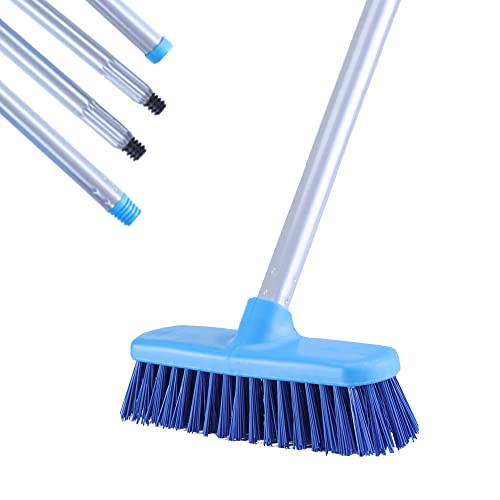
- vinyl deck cleaning brush long handle
- soft bristle deck brush vinyl decking
- pressure washer for vinyl deck cleaning
- deck scrub brush with scraper vinyl
- vinyl deck cleaning kit scrubber squeegee

Before You Start
Prepare the area by removing furniture and planters. Rinse the deck to loosen dirt before scrubbing. Use a mild cleaning solution to avoid damaging the vinyl. Avoid harsh chemicals and high-pressure water that could gouge seams. Allow for adequate drying time, typically a few hours in warm, sunny weather. Estimate 1–3 hours depending on deck size and weather.
Step-By-Step: How To Clean Vinyl Decking
- Clear the area and sweep away loose debris with a broom or a vinyl deck cleaning brush long handle to reach corners without bending.
- Rinse the deck with a garden hose to remove surface dust and pollen, preparing for deeper cleaning.
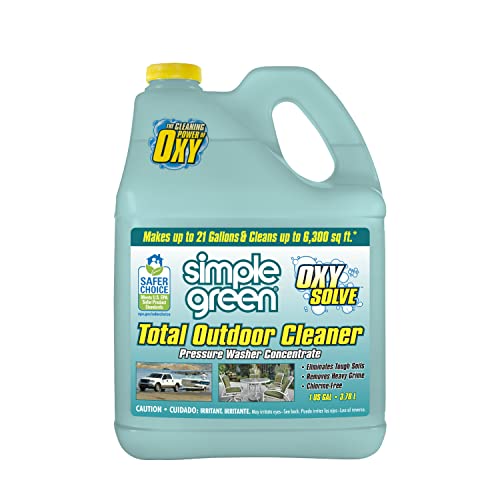
- Mix a gentle cleaning solution per manufacturer instructions or use a mild household cleaner safe for vinyl. Avoid concentrated bleaches that can discolor.
- Apply the solution evenly using a soft bristle deck brush vinyl decking or a scrubbing tool from the vinyl deck cleaning kit scrubber squeegee.
- Let the cleaner sit briefly to loosen dirt, then scrub in overlapping, wide strokes. Focus on grout lines and textured areas with the deck scrub brush with scraper vinyl.
- Rinse thoroughly with a low-pressure stream, ensuring all soap is removed. Re-sweep with a dry cloth or towel to remove excess water.
- For stubborn stains like mildew, use a vinyl-safe cleaner or a diluted vinegar solution. Scrub gently and rinse completely.
- Use a pressure washer for vinyl deck cleaning only on a gentle setting and maintain distance to prevent damage; avoid seams and fasteners.
- Inspect the deck after drying. Repeat the process on any remaining stained areas, and perform a final rinse to remove residue.
- Reposition furniture and allow the deck to fully dry before reusing the space; consider sealing or applying a maintenance spray if recommended by the vinyl manufacturer.
Troubleshooting
| Symptom | Likely Cause | Fix | Prevention |
|---|---|---|---|
| Streaks after cleaning | Soap residue | Rinse thoroughly with low-pressure water | Rinse twice, use minimal soap |
| Discoloration | Harsh cleaner or bleach | Switch to vinyl-safe cleaner | Test on a small area first |
| Stubborn mildew | Mildew buildup in grooves | Apply mildew-safe cleaner and scrub in grooves | Regular cleaning to prevent buildup |
| Scratches or dull finish | Aggressive scrubbing or power washing | Use soft brushes and low-pressure settings | Avoid metal tools; follow manufacturer guidance |
Common Mistakes
- Using high-pressure washers too close to the deck surface
- Mearing with strong solvents that can damage vinyl
- Skipping a thorough rinse, leaving soap residue behind
- Not allowing the deck to dry completely before use
Tips For Best Results
- Clean from the house outward to avoid tracking dirt onto clean areas
- Test cleaners on a small, inconspicuous spot first
- Schedule routine cleanings to prevent buildup
- Use a soft-bristle brush to protect the vinyl’s surface
- Store cleaning tools dry to prevent mold growth on handles
Call A Professional
Consider a pro if the deck has extensive staining, damage, or if the vinyl manufacturer’s guidelines require professional-grade products. Stop and consult a professional if you notice warping, seam separation, or discoloration beyond standard cleaning capabilities.
FAQ
Can I use bleach on vinyl decking?
Bleach can damage some vinyl surfaces; use a vinyl-safe cleaner or dilute household cleaners as recommended by the manufacturer.
Is a pressure washer safe for vinyl decking?
Yes, but only with a low-pressure setting and at a safe distance to avoid damage.
How often should I clean vinyl decking?
Plan a light weekly rinse and a deeper clean every 1–3 months, depending on use and exposure to dirt, mildew, or algae.
What should I do about slippery surfaces after cleaning?
Ensure the deck is fully rinsed and dry; consider using a de-slicking or anti-slip product if recommended by the vinyl manufacturer.
Buying Guide
When selecting cleaning tools for vinyl decking, consider size, weight, and ease of use. Noise level may matter for proximity to rooms or neighbors. Energy efficiency is less of a factor for cleaning gear, but battery-powered options can improve mobility. Look for ergonomic handles, soft-bristle brushes, and compatibility with your deck’s texture. Think about storage and whether a scrubbing kit with a squeegee covers all cleaning needs. For larger decks, a long-handled brush reduces bending and strain. Compare cleaners that are labeled safe for vinyl and avoid harsh chemical concentrates. Finally, consider whether a targeted kit includes a scraper tool for stubborn grime and a squeegee for quick drying. This helps maintain the deck’s appearance while protecting its surface for years to come.