Vera Bradley backpacks blend style with everyday practicality, but every bag needs routine cleaning to look its best. This guide walks American readers through a safe, effective cleaning process that protects fabrics and hardware while restoring color and softness. Follow the steps below to refresh a Vera Bradley backpack without harming its signature quilts or nylon accents.
Quick Answer
Quick Method: Lightly dust, then spot-clean with a delicate fabric detergent and a soft nylon brush. Rinse with a damp microfiber cloth, air-dry away from direct sun, and use a fabric stain remover pen for stubborn marks. Finish with a gentle pat-down to restore texture.
What You’ll Need
- Vera Bradley backpack cleaning kit
- Delicate fabric detergent for backpacks
- Soft nylon brush for bag cleaning
- Microfiber cleaning cloth for fabric backpacks
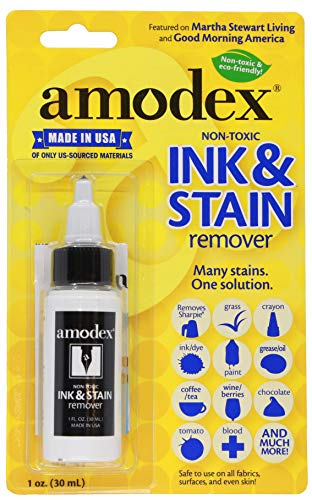
- Fabric stain remover pen for backpacks


Before You Start
Prepare a clean workspace and clear the bag of contents. Inspect seams, zippers, and hardware for loose stitching or tarnished pulls. Test a hidden area first to confirm colorfastness. Use lukewarm water and avoid hot settings that can distort fabric. Allow ample drying time in a well-ventilated area away from direct sunlight to prevent fading.
Step-By-Step: How To Clean A Vera Bradley Backpack
- Empty the bag completely and turn it inside out to inspect the lining for stains or debris.
- Gently shake out crumbs and dust from all pockets, seams, and corners.
- Prepare a cleaning solution by mixing a small amount of delicate fabric detergent for backpacks with lukewarm water.
- Dip the soft nylon brush for bag cleaning into the solution and lightly scrub the exterior fabric in circular motions, focusing on stained areas.
- Wipe away loosened dirt with a microfiber cleaning cloth for fabric backpacks, using gentle, even strokes.
- For persistent marks, apply a fabric stain remover pen for backpacks directly to the stain and blot with the microfiber cloth.
- Rinse the cloth and wipe the bag again to remove any soap residue. Avoid soaking the bag; use minimal water.
- Turn the bag right-side-out and air-dry completely in a shaded area with good air circulation.
- Repeat treatment on any remaining marks once dry, if necessary, and re-check zippers and hardware before storing.
- Once dry, fluff the fabric gently with a dry brush or hands to restore texture and fabric loftiness.
- For ongoing care, spot-clean after light use and store in a cool, dry place away from moisture.
Troubleshooting
| Symptom | Likely Cause | Fix | Prevention |
|---|---|---|---|
| Streaks after cleaning | Soap residue or uneven wiping | Wipe with a fresh damp microfiber cloth until streaks disappear | Use minimal detergent; test a hidden area first |
| Color fading | Direct sun exposure during drying | Move drying; keep in shade | Dry indoors or under indirect light |
| Stubborn stains persist | Ink or oil-based marks | Apply stain remover pen, repeat as needed | Address stains promptly |
| Soft areas after cleaning | Over-wetting or aggressive scrubbing | Let air-dry thoroughly; mellow with gentle brushing | Use light pressure; follow fabric care guidelines |
| Zippers sticking | Lubricant buildup or fabric entanglement | Clean zipper teeth and apply a small amount of zipper lubricant | Keep zippers free of soil |
Common Mistakes
- Using hot water or harsh detergents that fade colors
<li Scrubbing too aggressively and fraying delicate fabric
<li Soaking the bag, which can distort shape and seams
<li Skipping drying time, risking mildew or odor
Avoid these missteps to preserve the bag’s appearance and longevity.
Tips For Best Results
- Spot-clean frequently to minimize deep cleaning sessions.
- Use a protective spray formulated for fabric backpacks after drying to maintain water resistance.
- Store in a breathable bag or pillowcase to prevent musty smells.
- Clean hardware with a soft cloth to maintain shine without scratching.
Call A Professional
Consider a professional cleaning if the backpack shows extensive staining, water damage, or if the fabric has become very dull or stiff. Seek expert care if any hardware is corroded or stitching appears compromised, or if you are unsure about colorfastness after testing a hidden area.
FAQ
Can I machine wash a Vera Bradley backpack?
Machine washing may loosen seams or damage hardware; hand cleaning is recommended unless the care label explicitly allows machine washing.
How often should I clean my Vera Bradley backpack?
Clean as needed after noticeable dirt or stains, with lighter spot-cleaning after regular use to maintain appearance.
Is it safe to use bleach on Vera Bradley fabric?
No, avoid bleach as it can weaken fibers and fade colors. Use color-safe, delicate detergents instead.
What should I do about odors?
Lightly mist with water and wipe, then air-dry completely. For stubborn odors, a fabric-safe deodorizer can be used after cleaning and drying.
Buying Guide
When selecting cleaning tools and accessories for a Vera Bradley backpack, consider several factors to optimize care and longevity.
- Size and compatibility: Choose cleaning tools that fit the bag’s dimensions; a compact brush and small microfiber cloth often work best for subtle surfaces and interior pockets.
- Material sensitivity: Delicate fabric detergents are preferable for quilts, nylon panels, and trim. Avoid harsh solvents that can degrade fabric or color.
- Noise and effort: A soft nylon brush with a gentle touch reduces abrasion and noise during cleaning, which helps when cleaning around logo plaques or hardware.
- Water usage: Use minimal water to avoid soaking. A damp cloth plus light scrubbing typically yields effective results without risking water damage.
- Storage after cleaning: Allow complete air-dry before storage; consider a breathable bag or cover to prevent odors and moisture buildup.
For most users, a dedicated Vera Bradley backpack cleaning kit, paired with gentle detergents and soft tools, provides a complete, safe solution. If in doubt, consult the fabric care tag or seek professional cleaning guidance.