Sponge filters are simple, effective biological filters that rely on beneficial bacteria to keep water clean. Regular cleaning slows the buildup of debris, maintains flow, and extends the life of the sponge. This guide offers practical, step-by-step instructions for American hobbyists looking to keep their sponge filters in top shape.
Quick Answer
Rinse the sponge in old tank water during routine maintenance, replace or refresh the sponge as needed, and avoid using tap water that can kill beneficial bacteria. Clean the sponge filter components periodically using a dedicated sponge filter cleaning brush or kit, and reassess flow rate after cleaning to ensure adequate water circulation.
What You’ll Need
- aquarium sponge filter cleaning brush
- aquarium sponge filter maintenance kit
- replacement sponge for sponge filter aquarium
- sponge filter cleaning kit for freshwater tanks
- aquarium filter cleaning sponge brush tool

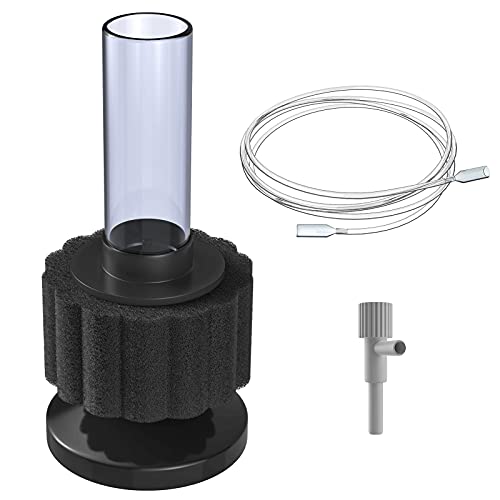

Before You Start
Before touching any equipment, unplug the filter to prevent electrical shock. Move the tank to a stable surface and have a clean bucket or container ready to collect water. Use only aquarium water for rinsing the sponge to preserve beneficial bacteria. Avoid using soap, detergents, or tap water. Plan for a maintenance window of 5–15 minutes per cleaning session, depending on tank size and filter complexity. If the sponge appears torn, crumbly, or shows significant discoloration, consider replacement.
Step-By-Step: How To Clean Your Sponge Filter
- Power down the system and carefully disconnect the sponge filter from the air pump or power source.
- Remove the filter from the tank, taking care not to disturb delicate aquarium inhabitants.
- Gently squeeze the sponge under a steady stream of old tank water to release trapped debris. Do not wring aggressively; preserve the sponge’s structure.
- Place the rinsed sponge into a bucket of old tank water and rinse again to remove fine particles. Repeat as needed until the water runs clear but the sponge remains intact.
- Inspect the sponge for wear. If the pores are clogged or the material shows signs of wear, replace the sponge using the replacement sponge for sponge filter aquarium.
- Reassemble the sponge filter modules. If using a maintenance kit, follow the kit’s assembly instructions to ensure proper fit and airflow.
- Reconnect the filter to power and monitor the flow rate. If flow seems weak, check for misalignment, reseat the sponge, or replace a clogged component.
- Test water parameters after a short stabilization period to confirm no spikes in ammonia or nitrite due to cleaning disruptions.
- Establish a routine: light maintenance every 2–4 weeks of the sponge and a deeper clean every 1–2 months, depending on tank load and biofilm growth.
- Record observations: note sponge condition, flow rate, and any changes in tank clarity for future reference.
- For heavily planted or heavily stocked tanks, you may extend the interval between deep cleanings while ensuring continuous biological filtration remains stable.
- Consider rotating sponge material with a new piece from the replacement sponge to minimize disruption to beneficial bacteria while maintaining filtration performance.
Troubleshooting
| Symptom | Likely Cause | Fix | Prevention |
|---|---|---|---|
| Low flow after cleaning | Clogged sponge or misassembled components | Rinse sponge again, recheck assembly, replace sponge if damaged | Perform lighter, more frequent cleanings to avoid deep clogs |
| Bubble noise or excessive bubbles | Air pump issue or loose fittings | Check airline, adjust valve, reseat the sponge | Secure connections and use appropriate air tubing |
| Discolored or crumbly sponge | Degraded sponge material | Replace with a new sponge from the replacement sponge for sponge filter aquarium | Replace on schedule before deterioration |
| Water cloudy after cleaning | Disturbed substrate or debris released during cleaning | Slowly reintroduce tank water and perform a light water change | Clean in small batches to minimize disturbance |
Common Mistakes
- Using tap water to rinse the sponge, which can kill beneficial bacteria
- Over-wringing or tearing the sponge, reducing filtration surface
- Over-cleaning in one session, causing a temporary biofilter disruption
- Ignoring signs of sponge wear and continuing to use worn material
Tips For Best Results
- Maintain a rotation approach: alternate between two sponges to minimize biofilter disruption
- Rinse with water drawn from the same aquarium rather than new water to preserve bacteria
- Keep spare sponges on hand as part of a dedicated maintenance kit for quick replacements
- Record your maintenance date and observed flow rate to optimize future schedules
- Pair sponge filters with a reliable routine for water changes and overall tank cleaning
Call A Professional
If the filter components fail to produce adequate flow despite cleaning, if there are persistent leaks, or if you notice significant fish stress or unusual behavior, contact a professional aquatic technician. Seek help immediately if there is a power issue, electrical burn smell, or visible damage to electrical cords or magnet fittings.
FAQ
How often should I clean my sponge filter?
Light cleaning every 2–4 weeks is typical, with a deeper clean every 1–2 months depending on tank bioload and sponge condition.
Can I use soap to clean a sponge filter?
No. Soap or detergents can leave residues that harm fish and disturb bacteria colonies.
What if the flow remains low after cleaning?
Check for clogged hoses, misaligned components, or a worn sponge; replace the sponge if necessary.
Should I replace the sponge filter sponge at the same time?
Yes, consider replacing with a new sponge from the replacement sponge for sponge filter aquarium when wear is evident or performance declines.
Is a maintenance kit necessary?
A dedicated aquarium sponge filter maintenance kit can simplify cleaning and keep replacement sponges organized.
Is it okay to rinse the sponge in tank water only?
Yes. Rinsing in old tank water preserves beneficial bacteria while removing debris.
What signs indicate a damaged sponge?
Cracking, tearing, or reduced porous texture indicates the sponge should be replaced.
Buying Guide
When selecting a sponge filter system and accessories, consider several factors to optimize performance in freshwater setups. Size matters: ensure the filter can handle the tank’s volume without crowding the decor or impeding fish movement. Noise level and energy efficiency impact room comfort and ongoing operating costs. Look at controls for adjustable flow, ease of maintenance access, and availability of replacement sponges. Placement within the tank should maximize contact with water and minimize air bubbles around sensitive species. Compare different kits against your needs: do you need a simple setup or a fully integrated maintenance kit? Do you prefer multiple small sponges or a large single medium sponge?