Velvet couches add luxury and softness to living spaces, but they require careful cleaning to maintain their plush look. This guide covers practical, actionable steps for American homes to safely refresh velvet upholstery without damaging fibers or colors.
The instructions below emphasize common tools and techniques that work well for most velvet fabrics. Readers should always test on a hidden area first and follow manufacturer care labels when available.
Quick Answer
For everyday maintenance, start with a gentle vacuum using a specialized upholstery attachment, then spot-clean with a fabric stain remover designed for velvet. Use a velvet-focused brush to lift nap between cleanings, and finish with a lint roller for any loose fibers or pet hair. Reserve steam cleaning for persistent stains or deep cleaning, following safety guidelines.
What You’ll Need
- Upholstery vacuum cleaner for velvet fabric
- Steam cleaner for velvet couch upholstery
- Lint roller for velvet upholstery
- Velvet furniture cleaning brush attachment
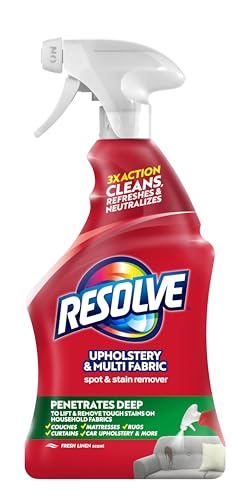
- Fabric stain remover for velvet furniture


Before You Start
Prepare the space by moving furniture and laying down a clean cloth or plastic drop cloth to catch debris. Vacuum the surface slowly to remove loose dust and pet hair. Test any cleaner in a hidden area for colorfastness and nap response. Note that steam cleaning may affect nap direction and drying time, so plan for gaps between cleaning and use.
Safety notes include keeping the steam cleaner at the manufacturer’s recommended distance, avoiding soaking the fabric, and ensuring the couch is fully dry before use. Animals and children should be kept away during steam sessions.
Step-By-Step: How To Clean Velvet Couch
- Remove loose debris with a gentle vacuum using the upholstery attachment, working in multiple directions to lift fibers.
- Brush the nap with a velvet furniture cleaning brush attachment to restore the texture and prevent crushing fibers.
- For light dust and pet hair, go over the surface with a lint roller, rolling in one direction to lift fibers without pushing dirt deeper.
- Apply a small amount of fabric stain remover for velvet furniture to stained areas, following the product directions and testing first in a hidden spot.
- Gently blot—do not rub—stains to lift color without spreading. Use a clean microfiber cloth to absorb moisture as you work.
- If deeper cleaning is needed, use a steam cleaner for velvet couch upholstery at a low setting and a safe distance, sweeping evenly across the fabric to avoid pooling.
- Allow the couch to air-dry completely with good ventilation; avoid direct heat sources that can shrink or dull velvet.
- After drying, lightly brush the nap again to restore the smooth, even texture.
- Inspect for any remaining stains and repeat the appropriate steps as necessary, avoiding over-wetting the fabric.
- Attend to cushions individually: clean each cushion cover and seam area to prevent uneven color or texture when resting.
- For regular upkeep, schedule a light vacuum and brush every few weeks to maintain nap and color depth.
- Document any recurring stains or wear patterns to inform future care or professional services if needed.
Troubleshooting
| Symptom | Likely Cause | Fix | Prevention |
|---|---|---|---|
| Picone nap looks flattened | Heavy surface dirt or crush from sitting | Gently brush and vacuum; consider a light steam clean if nap remains flat | Regular gentle cleaning; rotate cushions |
| Stains reappear after drying | Moisture trapped during cleaning | Re-treat with stain remover on a small area and dry fully | Avoid over-wetting; use fan or open windows to dry |
| Color transfer from other fabrics | Inter-fiber bleeding | Rinse with clean cloth and test colorfastness; avoid strong cleaners near edges | Spot-test in advance; keep cleaners away from seams |
| Sticky feel after cleaning | Residue from cleaner | Blot and rinse with a small amount of water or use dry cleaning solution per label | Use minimal cleaner and thorough blotting |
Common Mistakes
- Over-wetting velvet, which can cause water rings or nap distortion
- Rubbing stains, which spreads pigment and roughens the nap
- Using harsh brushes or hard scrubbing, leading to fiber fraying
- Ignoring test patches before applying cleaners
Tips For Best Results
- Always test cleaners on a concealed area of the fabric first to verify colorfastness and nap response.
- Vacuum weekly to remove dust, especially in high-traffic areas where velvet attracts more debris.
- When using steam, maintain a wide sweep and a low heat setting to prevent fiber damage.
- Store cleaning products in a cool, dry place to avoid chemical reactions with the velvet fibers.
Call A Professional
Stop and call a professional if velvet cushions show persistent stains, strong odors, color fading from sunlight, or if the fabric has started to pile unevenly and cannot be restored with home methods. Seek expert help for large-area cleaning that requires deep extraction or upholstery dye/stain concerns.
FAQ
Can I clean velvet couch at home?
Yes, using gentle vacuuming, brushing, and spot cleaning with appropriate velvet-safe products is feasible for routine care.
Is steam cleaning safe for velvet?
Steam can be safe when used at low settings and with proper distance, but avoid soaking and always test in a hidden area first.
How often should velvet couches be cleaned?
Light cleaning every 1–2 weeks and a deeper clean every 6–12 months, depending on wear and exposure.
What if nap becomes uneven after cleaning?
Lightly brush in the direction of the nap to restore uniformity; avoid aggressive brushing that can flatten fibers.
Are there dyes suitable for velvet restoration?
Professional color restoration is recommended if fading or staining is extensive, as DIY dyeing can damage velvet fibers.
Buying Guide
When choosing care products for velvet upholstery, consider factors like compatibility with velvet fiber content, safety on colors, and ease of use. This guide covers key buying factors to help shoppers pick effective tools and cleaners.
Size and coverage: Select tools that fit the couch dimensions and cushion count. A compact vacuum attachment may suffice for small apartments, while larger sofas benefit from full-size cleaners and flexible hoses.
Noise level: Quiet options reduce disruption during cleaning sessions, especially in homes with open layouts or nearby bedrooms.
Energy efficiency: Look for energy-efficient vacuums or steam cleaners with automatic shutoff to save power and protect fabrics.
Controls: Easy-to-use controls for suction, steam, and brush settings help prevent over-cleaning or accidental misuse on velvet.
Placement and storage: Choose tools with compact storage and hangable accessories to keep velvet-care gear ready but out of the way.
In practice, readers should compare products by how well they combine gentle fabric care with effective debris removal. For velvet, the priority lies in avoiding moisture and abrasion while maintaining nap depth and color. If in doubt, starting with a basic, velvet-focused toolkit often yields reliable results. Would you like a comparison of specific models within these categories?