Shaping a neat manicure often leaves tiny nail polish splashes on the skin. Quick, skin-safe removal helps prevent staining and irritation while keeping nails tidy. This guide focuses on practical, low-risk methods suitable for home use in the United States.
Readers will discover a concise, step-by-step approach, best practices, and common troubleshooting tips to minimize hassle and protect sensitive skin during cleanup.
Quick Answer
Use skin-safe nail polish remover products—prefer acetone-free formulas and skin-friendly wipes or pads. For small smudges, a cotton swab dipped in remover or a remover pen can work efficiently without harsh rubbing. Always wash skin with soap and water after removal and moisturize to prevent dryness.
What You’ll Need
- Acetone-free nail polish remover for skin
- Nail polish remover pad with skin-safe formula
- Nail polish remover pen for skin stains
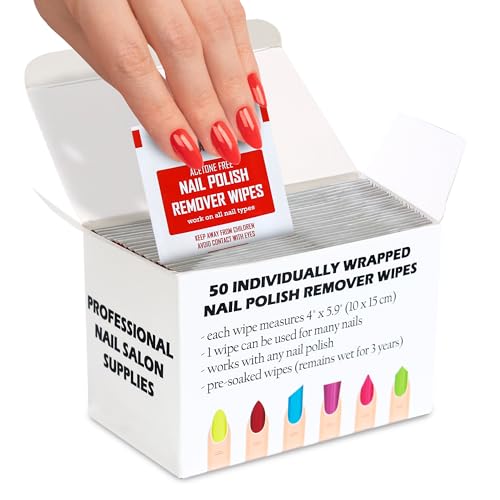
- Pre-soaked manicure wipes for skin cleanup
- Cotton swab with nail polish remover


Before You Start
Assess skin sensitivity and avoid broken or irritated skin. Perform a patch test on a small area if you have sensitive skin or a history of reactions to nail products. Work in a well-lit area and keep the workspace clean to prevent cross-contamination. Time estimate: 2–5 minutes for typical stains, longer for multiple spots. Critical cautions include avoiding prolonged exposure to remover and never applying near the eyes or mouth.
Step-By-Step: How To Clean Nail Polish Off Skin
- Gentle preparation: Wash hands with mild soap and warm water to remove oils before treating stains.
- Targeted removal: Apply a skin-safe remover to the stained area using a cotton swab or remover pad for precise work.
- Soft pat, don’t rub: Gently pat or roll the pad over the stain to lift polish without irritating skin.
- Repeat if needed: For stubborn spots, reapply remover to a fresh area of the pad or swab and continue.
- Rinse and assess: Rinse the area with lukewarm water and inspect for remaining color.
- Dry and moisturize: Pat dry and apply a fragrance-free moisturizer to restore skin balance.
- Alternative tool use: If a larger area needs cleanup, use pre-soaked manicure wipes for broad application, following product directions.
- Finish safely: Keep remover away from eyes and mouth and store products out of reach of children.
Troubleshooting
| Symptom | Likely Cause | Fix | Prevention |
|---|---|---|---|
| Streaky residue remains | Inadequate contact time | Reapply remover and hold briefly, then wipe with a clean pad | Use fresh pads for each pass |
| Skin irritation or redness | Sensitive skin or prolonged exposure | Switch to a hypoallergenic formula; limit contact time | Patch test before full use |
| Color transfer to nails | Polish transferred back during cleanup | Rinse thoroughly and wipe again with a clean pad | Clean surrounding skin before touching nails |
| Dry, tight skin after cleaning | Frequent use of remover on dry skin | Moisturize immediately; consider a gentler formula | Balance with regular skin care |
Common Mistakes
- Rubbing hard, which can irritate skin or spread polish
- Using acetone-based removers on sensitive skin
- Overloading product, leading to longer cleanup times
- Skipping rinsing and moisturizing after removal
Tips For Best Results
- Prefer acetone-free nail polish remover for skin for gentler cleanup
- Choose nail polish remover pad with skin-safe formula for bulkier messes
- Keep a nail polish remover pen for skin stains handy for precise touch-ups
- Always complete cleanup with soap and water, then moisturize
- A cool, quiet environment reduces distractions and helps steady your hand
Call A Professional
In most cases, home cleanup is sufficient. Seek professional care if skin shows persistent redness, swelling, blistering, or signs of an allergic reaction after using remover products. If polish stains are on delicate areas such as eyelids, lips, or mucous membranes, contact a healthcare professional rather than attempting further removal.
FAQ
Can I use regular nail polish remover on skin?
Regular, acetone-based remover can be harsh on skin. If used, limit contact and wash immediately, then moisturize.
Is it safe to use cotton swabs for cleanup?
Cotton swabs are effective for precision but should be used gently to avoid skin irritation.
What if my skin reacts to a remover?
Stop using the product, rinse with water, and consider a hypoallergenic option. If irritation persists, seek medical advice.
How should I store these products?
Store in a cool, dry place away from children and direct sunlight, in accordance with packaging directions.
Buying Guide
When selecting products to clean nail polish off skin, consider several buying factors to ensure safety and effectiveness.
Size and packaging: Choose compact options for travel or an at-home kit with multiple tools for versatility. Smaller pre-soaked wipes or pens are convenient for quick touch-ups.
Noise level and scent: Most removers are odor-neutral or have mild scents. If sensitive to fragrances, look for fragrance-free formulas to minimize irritation.
Energy efficiency and controls: Not applicable to manual removal products, but look for simple, intuitive packaging and clearly labeled instructions.
Skin safety and ingredients: Prioritize acetone-free formulas and skin-safe formulas. Look for hypoallergenic options and dermatologist-tested claims.
Placement and storage: Store products in a cool, dry place away from kids. Keep lids tightly closed to prevent evaporation and drying out of pads and wipes.
Cost vs value: Consider a bundle that combines a nail polish remover pen, pads, and wipes for flexibility. Choose products with balanced price and usage duration rather than single-use items.
Choosing the right combination depends on personal routine: a quick dab with a remover pen may suffice for small stains, while broader cleanup may benefit from wipes or pads. Are you aiming for minimal steps or maximum control? The right kit offers both efficiency and skin safety.