Upholstery cleaning helps extend the life of fabric furniture, maintain appearance, and improve indoor air quality. This guide covers practical steps, tools, and safety tips to clean most upholstered fabrics commonly found in American homes.
The methods balance effectiveness with fabric safety, using accessible tools and common cleaners. Readers will learn how to choose the right approach, perform a thorough cleaning, and address stubborn stains without damaging delicate fibers.
Quick Answer
For everyday cleaning, vacuum first with a handheld upholstery vacuum with crevice tool and brush, then treat stains with a fabric stain remover spray for microfiber couches. For deeper cleaning, use a steam cleaner for upholstery fabric furniture or a portable hot water extractor for car upholstery, following fabric care labels and manufacturer instructions.
What You’ll Need
- Handheld upholstery vacuum with crevice tool and brush
- Steam cleaner for upholstery fabric furniture
- Portable hot water extractor for car upholstery
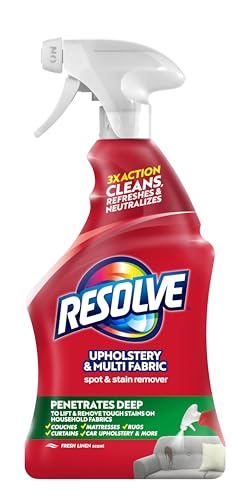
- Fabric stain remover spray for microfiber couches
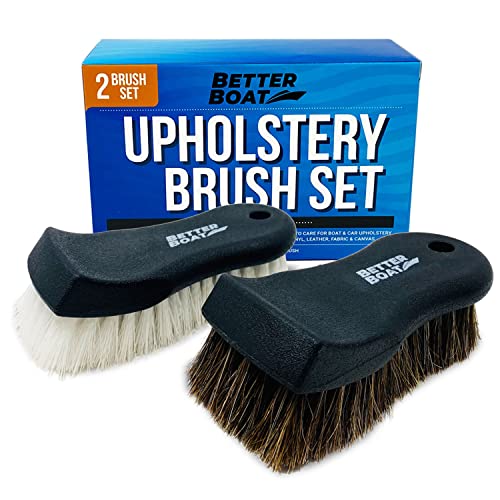
- Scrub brush set for upholstery cleaning microfiber suede

Before You Start
Check fabric tags for cleaning codes (W, S, WS, or X). Perform a small test patch on an inconspicuous area with your chosen cleaner, waiting 15–20 minutes to ensure no color bleeding or fiber damage. Vacuum the entire surface to remove loose dirt. Allow adequate drying time, and ventilate the room to speed up drying. Never saturate delicate fabrics or use high heat on heat-sensitive textiles.
Step-By-Step: How To Clean Upholstery
- Begin with a thorough vacuum using a handheld upholstery vacuum with crevice tool and brush to remove loose debris.
- Identify stain locations and apply fabric stain remover spray for microfiber couches following label instructions. Blot gently with a clean cloth; avoid rubbing.
- For light soils, perform a dry brush using a scrub brush set for microfiber suede to lift dirt without pushing it deeper.
- If your fabric is water-safe (W or WS code), lightly mist with a diluted upholstery cleaning solution and work in small circles with the brush.
- For deep cleaning, run a steam cleaner for upholstery fabric furniture over the surface, keeping the nozzle slightly above the fabric to prevent over-wetting.
- After steam cleaning, go over the area with a dry microfiber cloth to wick away moisture and promote even drying.
- Use the portable hot water extractor for car upholstery on larger cushions or couches that tolerate wet cleaning, following the machine’s manual and fabric care tags.
- Rinse treatment areas as needed and repeat spot cleaning on any persists stains with the stain remover spray.
- Allow furniture to air dry completely; avoid direct heat sources and ensure good airflow to prevent mildew.
- Return cushions to their original positions and refresh with a light vacuum once dry to restore texture.
- Inspect for residual odors and address with ventilation or a fabric-safe deodorizer if necessary.
Troubleshooting
| Symptom | Likely Cause | Fix | Prevention |
|---|---|---|---|
| Stains reappear after cleaning | Residual stain or improper removal | Repeat treatment with appropriate stain remover; avoid overwetting | Spot-treat promptly; use protective fabric sealants if recommended |
| Fabric feels stiff after cleaning | Over-wetting or soap residue | Rinse with clean water and blot; air dry | Use minimal moisture and thorough drying |
| Color bleeding | Improper test patch or aggressive cleaners | Rinse and blot; stop using the chemical | Test in a inconspicuous area first |
| Uneven drying | Dense fabric or poor ventilation | Increase airflow; use a fan or dehumidifier | Clean during mild humidity and ensure space ventilation |
Common Mistakes
- Over-wetting fabrics, especially delicate or non-water-safe textiles
- Rubbing stains aggressively, which spreads them or damages fibers
- Using strong cleaners on colorfastness-unknown fabrics
- Skipping a patch test, risking color bleed
- Not drying thoroughly, leading to mold or odors
Tips For Best Results
- Email from home: plan for a two-step clean—spot treatment followed by overall cleaning.
- Always align technique with fabric care labels (W, S, WS, X).
- Keep cleaners and tools at moderate temperatures to prevent fiber damage.
- Work small areas at a time for consistent results and faster drying.
- Ventilate the room well and use fans to speed drying and prevent mildew.
Call A Professional
Consider professional help if upholstery shows severe staining, persistent odors, or delicate fibers (silk blends, high-end suede). Seek a pro if the fabric code is X (dry clean only) or if cleaning could void warranties. Stop cleaning and contact a professional when color fading or fabric distortion occurs.
FAQ
Can I use household cleaners on all fabrics?
Most fabrics have specific care codes; always test first and follow manufacturer guidelines.
Is steam cleaning safe for all upholstery?
Steam is suitable for water-safe fabrics (W/WS) but not for dry-clean-only materials.
How do I dry upholstery quickly after cleaning?
Increase airflow with fans and dehumidifiers; avoid direct heat sources.
What if a stain returns after drying?
Re-treat with the appropriate stain remover and re-dry; some stains require repeated steps.
Buying Guide
When selecting cleaning tools and products for upholstery, consider size, noise, power, and compatibility with fabrics. A handheld upholstery vacuum with crevice tool and brush is ideal for quick cleanups and tight spaces, while a steam cleaner for upholstery fabric furniture offers deeper cleaning for durable fabrics. For large vehicles or heavily soiled car upholstery, a portable hot water extractor can deliver strong moisture and suction. A fabric stain remover spray for microfiber couches is essential for targeted spot treatment, and a scrub brush set for upholstery cleaning microfiber suede helps lift stubborn soils without damaging microfiber textures.
Key buying factors include size and weight for maneuverability, noise level for home use, energy efficiency of cleaners, user-friendly controls, and placement around living spaces. Compare features such as accessory versatility, compatibility with microfiber and suede, dryness after cleaning, and drying times. Assess warranties, available replacement parts, and customer support to ensure long-term usability. If unsure, look for bundles that include a crevice tool, brush, and a safe stain remover for microfiber fabrics.