Maintaining a spotless, compliant commercial kitchen is essential for food safety, worker wellbeing, and smooth operations. This guide provides practical, step-by-step methods tailored to American restaurant setups, with trusted tools to make the job faster and more effective. Whether you’re refreshing after service or performing a weekly deep clean, these steps help keep equipment, floors, and hoods in top condition.
Quick Answer
Start with a targeted degreasing routine, then use mechanical scrubbing and steam cleaning to lift stubborn residues. Follow with a thorough rinse, sanitize, and dry all surfaces completely. Use a dedicated set of tools for floors, hoods, and prep surfaces to prevent cross-contamination. Schedule routine checks to minimize buildup between deep cleans.
What You’ll Need
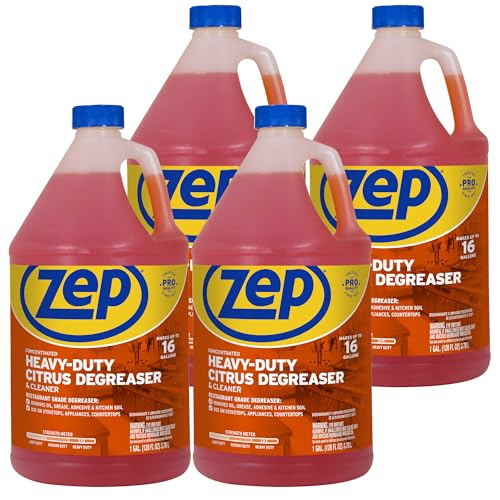
- Commercial Kitchen Degreaser Gallon
- Industrial Floor Scrubber Machine For Restaurant
- Microfiber Mop System For Commercial Kitchen Cleaning
- Heavy-Duty Steam Cleaner For Commercial Kitchen
- Restaurant Hood Grease Removal Brush And Degreaser Kit


Before You Start
Prepare the work area by removing loose debris and turning off and isolating electrical equipment as needed. Clear the hood filters and nearby surfaces of items that could be damaged by cleaners. Time estimates vary: a standard nightly clean may take 45–90 minutes for a small-to-medium kitchen; a full deep clean can require several hours, depending on equipment and room layout. Important cautions include following the manufacturer’s safety guidance on chemical use, ensuring proper ventilation, and wearing appropriate PPE (gloves, eye protection, and non-slip footwear).
Step-By-Step: How To Clean A Commercial Kitchen
- Remove all movable items from countertops, ranges, and prep areas; cover or shield food-contact surfaces if needed.
- Apply a heavy-duty degreaser to kitchen surfaces that accumulate grease, including grills, fryers, and splash zones. Allow a brief dwell time to loosen stuck-on residue.
- Scrub stubborn spots with the restaurant hood grease removal brush and degreaser kit, focusing on vents, filters, and fan housings. Rerun as necessary to lift heavy buildup.
- Rinse surfaces thoroughly with clean water to remove chemical residues. Use a damp microfiber mop system for wide areas to prevent streaking on stainless steel and tile.
- Use the industrial floor scrubber machine for restaurant floors, paying attention to traffic lanes, corners, and drain areas. Empty and rinse the recovery tank as needed.
- Take a deep pass with the heavy-duty steam cleaner for commercial kitchen on stove tops, oven seals, and hard-to-reach crevices. Steam helps sanitize and loosen grime without excessive liquid.
- Rinse floors again after steam cleaning, then apply any approved sanitizers to prep surfaces and floors. Allow surfaces to air dry completely before reassembly.
- Reinstall filters, wipe down walls or backsplashes, and store cleaning tools in a clean, dry location to prevent cross-contamination.
- Document the cleaning task, noting high-traffic areas and any maintenance issues that require follow-up service or professional attention.
- Conduct a quick post-clean inspection to ensure no residue remains and that safety signage is in place if floors are wet.
Troubleshooting
| Symptom | Likely Cause | Fix | Prevention |
|---|---|---|---|
| Grease residue remains after degreaser | Insufficient dwell time or wrong concentrate | Reapply with proper dwell time and repeat scrubbing | Use correct dilution and pre-treat daily |
| Streaks on stainless steel | Residue or hard water spotting | Rinse thoroughly, wipe with a clean microfiber, or use a water-softening rinse | Rinse with filtered water; dry surfaces |
| Floor still slick after cleaning | Remaining residues or gaps in scrubbing coverage | Rescrub problem areas and ensure scrubber passes cover edges | Map routes and use proper mop/brush heights |
| Odor after cleaning | Sanitizer not fully dissipated or organic matter | Increase ventilation and re-apply sanitizer as directed | Regular scheduling reduces odor buildup |
Common Mistakes
- Using heavy cleaners on delicate seals or gaskets
- Using the same tools across different zones without rinsing
- Over-wetting floors or drains, causing pooling and slip hazards
- Neglecting hood and ductwork during routine cleanings
- Skipping safety PPE or not following lockout/tagout procedures when needed
Tips For Best Results
- Schedule separate passes for degreasing, rinsing, and sanitizing to prevent cross-contamination and ensure thorough cleaning.
- Rotate cleaning tools by zone (food prep vs. dining vs. back-of-house) to minimize cross-contact between areas.
- Use color-coded microfiber cloths and mops to distinguish between surfaces and reduce contamination risk.
- Keep a log of cleaning tasks, including times, products used, and observations about equipment wear or leaks.
- Inspect hood filters weekly and replace or service as needed to maintain optimal airflow and fire safety compliance.
Call A Professional
Some situations require expert intervention:
- Persistent, heavy grease buildup in ductwork or exhaust systems
- Significant equipment failure or corrosion on kitchen appliances
- Electrical or ventilation work beyond routine cleaning scope
- Repeated non-compliance with local health and safety standards
FAQ
How often should a commercial kitchen be cleaned?
Most restaurants perform a nightly prep area wipe-down, followed by a thorough weekly deep clean. Hoods and ductwork often require monthly to quarterly maintenance depending on usage and local regulations.
What is the best way to remove hood grease buildup?
Combine a grease-cutting degreaser with a hood grease removal brush, followed by thorough rinsing and drying to prevent residue.
Which tools help reduce downtime during cleaning?
A dedicated microfiber mop system and an industrial floor scrubber can significantly speed up floor and surface cleaning while improving consistency.
Are steam cleaners safe for all kitchen surfaces?
Steam cleaners are effective for sanitizing hard, non-porous surfaces, but use on heat- and chemical-safe materials only and follow manufacturer guidelines.
What should I do if a surface is damaged during cleaning?
Ceasing use on damaged surfaces and consulting a professional technician or equipment manufacturer for repair is recommended.
Buying Guide
When selecting cleaning equipment for a commercial kitchen, consider size, noise, energy use, and placement. For floors, an industrial floor scrubber machine for restaurant should offer adjustable brushes, recovery tanks, and efficient suction for quick turnover. A heavy-duty steam cleaner for commercial kitchen provides versatile sanitation power without harsh chemical residues, but ensure it matches surface tolerance and safety standards. For general cleaning, a microfiber mop system for commercial kitchen cleaning delivers absorbent, lint-free performance ideal for stainless steel and tile. For degreasing and weekly maintenance, a dedicated commercial kitchen degreaser gallon is essential, paired with a hood grease removal brush and degreaser kit to tackle vent areas. Place storage for these tools near prep zones, with color-coded systems to minimize contamination.
Key buying factors include:
- Size and mobility. Consider the kitchen footprint and storage room; choose compact models where space is limited.
- Noise level. Quiet equipment reduces disruption during service and improves worker comfort.
- Energy efficiency. Look for reliable motors and energy-efficient pumps or vacuums to reduce operating costs.
- Controls and usability. Simple controls speed up cleaning and reduce operator error.
- Placement. Plan tool storage by zone (prep, cooking, dishwashing) to minimize cross-contamination and shorten cleaning cycles.
For best results, match tools to the specific cleaning plan and train staff on proper use and safety protocols. A well-equipped kitchen supports compliance, efficiency, and consistent cleanliness across daily operations.