Motor oil spills on concrete are common garage and driveway mishaps. This guide outlines practical, step-by-step methods to remove fresh and set-in oil stains, using readily available products designed for concrete cleaning and stain removal.
Readers will find a quick overview, a complete materials list drawn from industry-recommended tools, and a safe, efficient process to restore concrete surfaces without damaging the surrounding area or leaving strong odors behind.
Quick Answer
Act quickly with absorbent materials to contain the spill, then treat the stain with a heavy‑duty concrete degreaser and a dedicated oil stain remover. Finish with a thorough rinse and repeat as needed. For persistent stains, an oil spill kit for garage concrete consolidates all necessary tools in one kit.
What You’ll Need
- Oil spill clean-up absorbent pads concrete
- Oil spill absorbent socks for concrete
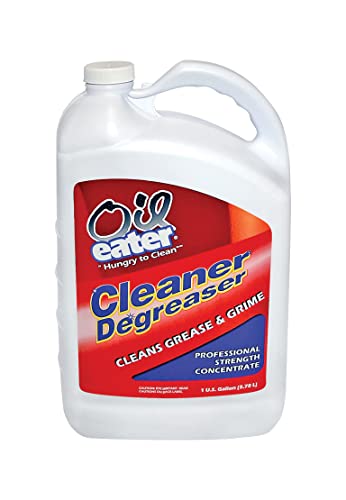
- Concrete degreaser heavy duty cleaning spray
- Oil stain remover concrete cleaner scrub brush
- Oil spill kit for garage concrete


Before You Start
Preparation reduces mess and exposure. Place disposable towels or plastic sheeting around the spill to protect nearby surfaces. Ventilate the area if indoors, and wear gloves and eye protection. Time estimates vary by spill size: small spills may take 30–60 minutes; largerScenes can take several hours with multiple passes. Important cautions: avoid using solvent-based cleaners on sealed floors unless the manufacturer permits it, and never mix cleaners with bleach or ammonia.
Step-By-Step: How To Clean Up A Motor Oil Spill On Concrete
- Contain the spill by laying down absorbent pads or socks around the perimeter to prevent spreading.
- Blot up as much liquid as possible with the pads, lifting without rubbing to avoid pushing oil deeper into the surface.
- Spray the concrete degreaser heavy duty cleaning spray generously over the stained area and let it dwell per label instructions.
- Scrub with the oil stain remover concrete cleaner scrub brush, using firm, circular motions to lift embedded oil.
- Rinse with water from a hose or damp sponge, starting at the outer edge and moving inward to prevent spreading the stain.
- If oil remains, reapply degreaser and repeat the scrubbing and rinsing steps until the stain lightens.
- For stubborn marks, apply a second coat of cleaner and allow a longer dwell time before scrubbing again.
- Dry the area completely and inspect for any residual slick spots; repeat treatment if necessary.
- Document the area with a final wipe and store cleaning tools properly for future use.
- Dispose of used absorbents and contaminated towels according to local hazardous waste guidelines.
- For ongoing garage maintenance, consider keeping an oil spill kit for garage concrete on hand for quick response next time.
Troubleshooting
| Symptom | Likely Cause | Fix | Prevention |
|---|---|---|---|
| Oil reappears after cleaning | Residual oil pooled below surface | Apply more degreaser and scrub again; repeat until stain lightens | Address spills immediately; use absorbent socks for quick containment |
| Grease smells linger | incomplete removal or base residue | Re-treat with oil stain remover concrete cleaner scrub brush and rinse thoroughly | Re-clean with adequate ventilation and dry thoroughly |
| Stains remain after multiple attempts | Old, set-in staining | Consider specialized stain-reducing products or resealing the concrete | Seal concrete after cleaning to limit future staining |
| Cleaner foams excessively | Too much product or dirty rinse water | Use less product and rinse with clean water | Follow label directions precisely |
Common Mistakes
- Waiting too long to begin cleanup, allowing oil to penetrate deeper
- Rubbing the stain aggressively, which spreads oil
- Using incompatible cleaners that can damage concrete or cause fumes
- Neglecting to ventilate indoor cleanup sites
Tips For Best Results
- Act quickly: the sooner you address the spill, the easier it is to remove
- Use a combination approach: absorbent materials first, then degreaser and stain remover
- Test cleaners on a small area first to ensure compatibility with your concrete
- Work from the outside edge toward the spill to prevent spreading
- Maintain a dedicated set of cleaning tools for oil spills to avoid cross-contamination
Call A Professional
Seek professional help if a spill covers a large area, penetrates deeply, or if there are hazardous materials or unknown fluids mixed with oil. Immediate professional assessment is advised for porous concrete, structural concerns, or repeated stains that do not respond to standard methods.
FAQ
Can I use household detergents to clean motor oil from concrete?
Household detergents may help lightly, but heavy-duty degreasers and oil stain removers are more effective for set-in oil.
Is it okay to water wash after using oil absorbent socks?
Yes, a light rinse helps remove residues, followed by a thorough dry before applying cleaner.
What should I do with used absorbents?
Dispose of them according to local hazardous waste guidelines or recycling programs that accept oil-soaked materials.
How often should I clean oil stains after a spill?
Repeat cleanings may be necessary for persistent stains; seal the concrete afterward to reduce future staining.
Can I seal the concrete after cleaning?
Yes, sealing helps protect against future oil penetration and makes future cleanups easier.
Buying Guide
When choosing products for oil spills on concrete, consider these factors:
- Size of area: larger spills benefit from absorbent pads and socks that cover more ground quickly.
- Severity of stain: heavy-duty degreasers and strong oil stain removers are essential for stubborn marks.
- Concrete type: porous surfaces may require more intensive treatment and sealing afterward.
- Application ease: spray degreasers vs. paste cleaners; choose based on comfort and access to the spill.
- Noise and odor: select products with low odor and minimal noise during application, especially in enclosed spaces.
- Controls and safety: look for gloves and clear label instructions; verify disposal guidance for used materials.
- Placement: keep cleaning supplies near the garage or driveway area where spills are most likely to occur.
- Comparative value: weigh the cost of absorbents, cleaners, and a kit against the frequency of spills in the space.