Shutters add character and value to many American homes, but keeping them clean can be a challenge. This guide provides a clear, step-by-step method to remove dust, grime, and fingerprints from interior and exterior shutters without causing damage.
Readers will find practical tips, safety notes, and a concise shopping list of tools that align with common cleaning tasks. The approach emphasizes efficiency, effectiveness, and achieving a fresh, well-maintained look for any shutter material.
Quick Answer
Best overall method: use a soft brush or microfiber tool to loosen dust, followed by a gentle wipe with a damp microfiber cloth. For stubborn buildup, use a mild detergent solution and a sponge, then rinse with a clean, damp cloth. Finish with a quick dry to prevent water spots.
What You’ll Need
- Telescoping microfiber duster for shutters
- Soft brush shutter cleaning kit
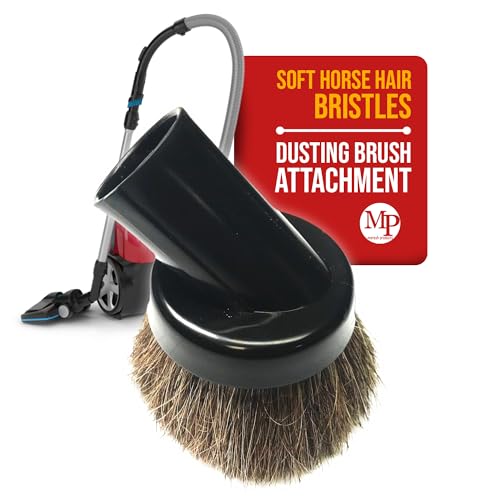
- Vacuum attachment for blinds and shutters with soft bristles
- Shutter cleaning kit with brush sponge microfiber cloth
- Vinyl shutter cleaning brush and sponge set


Before You Start
Assess the shutter material—wood, vinyl, or faux wood—as each requires a slightly different approach. Work from the top to the bottom to minimize re-cleaning. Protect nearby surfaces with a dry towel or drop cloth. Never saturate wood shutters or vinyl finished surfaces; excess moisture can cause warping or damage. Allow exterior shutters to dry completely if used after rain or washing.
Time estimates: a small room may take 20–40 minutes; larger rooms or more intricate shutterwork can take up to an hour. Gather all tools before you begin to maintain a steady workflow.
Step-By-Step: How To Clean Shutters
- Remove loose dust with a telescoping microfiber duster, working from the top rail downward.
- For stubborn dust, use a soft brush shutter cleaning kit to loosen debris at the slats without scratching surfaces.
- Vacuum with a vacuum attachment for blinds and shutters with soft bristles to remove loosened dust from both sides of the slats.
- Mix a small amount of mild dish soap with warm water if needed; dip a microfiber cloth or sponge, wring out well, and wipe each slat in sections.
- Rinse with a clean, damp microfiber cloth to remove soap residue; avoid soaking the shutter material, especially wood.
- Dry the slats with a dry microfiber cloth, starting at the top and moving downward to prevent water marks.
- For vinyl shutters, a light wipe with a damp cloth followed by a dry cloth typically suffices; avoid abrasive cleaners.
- Address stubborn spots using a vinyl shutter cleaning brush and sponge set, applying gentle pressure in the direction of the grain.
- Inspect both sides of each shutter; repeat any steps as needed for heavily soiled areas.
- Reassemble or rehang shutters if removed; ensure they open and close smoothly after cleaning.
- Document any areas showing wear or damage for future maintenance or professional assessment.
Troubleshooting
| Symptom | Likely Cause | Fix | Prevention |
|---|---|---|---|
| Streaks after cleaning | Soap residue or over-wetting | Rinse with clean water and dry thoroughly | Use minimal moisture and a soft cloth |
| Scratches on wood or vinyl | Rough brushes or abrasive cleaners | Switch to soft-bristle tools; avoid harsh cleaners | Test in a small area first |
| Persistent dull finish | Oiliness or fingerprint residue | Wipe with isopropyl-free microfiber cloth; consider a light polish appropriate for the material | Regular, gentle cleaning schedule |
| Water spots on exterior shutters | Excess moisture and rain exposure | Dry promptly after cleaning; rinse with clean water if needed | Clean on dry days or when weather permits |
Common Mistakes
- Using excessive water on wood shutters, which can lead to swelling or damage.
- Dragging stiff brushes across slats, causing micro-scratches or gouges.
- Neglecting the areas behind folds or louvers where dust tends to accumulate.
- Overlooking exterior shutters during seasonal cleaning, allowing grime to build up.
Tips For Best Results
- Schedule a monthly light cleaning rather than quarterly deep cleans to maintain brightness and reduce buildup.
- Use a microfiber cloth exclusively for finishes to prevent scratches and retain dust-trapping efficiency.
- Rotate cleaning paths (top-down vs. bottom-up) to verify consistent results across all slats.
- When dealing with fabric or faux surfaces, follow manufacturer care guidelines to avoid voiding warranties.
- Test any cleaning solution on a small, inconspicuous area first.
Call A Professional
Consider a professional if shutters show warped slats, peeling finishes, or structural damage that cleaning cannot address. Stop cleaning and consult a pro if moisture has penetrated wood, if there is internal moisture damage, or if mold growth is suspected. For exterior shutters, persistent corrosion, rust, or delamination warrants expert assessment.
FAQ
Can I use vinegar to clean shutters?
Vinegar can be effective in small doses for some surfaces, but test first and dilute properly to avoid any potential damage to delicate finishes.
How often should I clean vinyl shutters?
Vinyl shutters typically respond well to a light, regular wipe-down every 1–2 months, with deeper cleanings as needed.
Is it safe to use a vacuum on wood shutters?
Yes, with a soft-bristle attachment and on a low-suction setting to avoid loosening joints or panels.
What about oily fingerprints on darker finishes?
Use a mild soap solution and a soft cloth, then dry promptly to prevent streaks and residue.
Buying Guide
Choosing the right cleaning approach for shutters involves understanding materials, frequency, and cleaning goals. When evaluating tools and kits, consider size and reach, compatibility with shutter material, and ease of use for consistent results across rooms. A versatile kit that includes a telescoping microfiber duster and soft-bristle attachments can cover most interior shutter types, while a dedicated vinyl-friendly brush set helps exterior upkeep without damaging finishes. Noise and power considerations matter if tools are battery-powered or motorized; opt for quiet, light-duty options for day-to-day cleaning. Placement plays a role—ensure you have safe access to high or hard-to-reach windows and consider a lightweight, manageable setup for stairs or multi-story homes. Finally, read product reviews focusing on durability and how well fibers capture dust without scratching surfaces.