Cleaning up a palm tree involves a careful review of dead fronds, potential hazards, and overall health. This guide walks American homeowners through practical steps to remove dead or diseased fronds, reduce wind resistance, and promote healthy growth without damaging the tree. Proper tools and safe techniques help ensure clean cuts and a tidy yard.
With the right approach, palm tree cleanup can be efficient and safe. The process also reduces pest habitats and lowers fire risk in dry climates. Readers will learn how to assess the tree, choose appropriate tools, and perform the work without harming the trunk or crown.
Quick Answer
What’s the fastest way to clean a palm tree? Inspect the crown, remove dead fronds with appropriate cutting tools, trim back only the discolored or damaged parts, and dispose of debris properly. Prioritize safety, especially when using long-handled tools or climbing the tree.
What You’ll Need
- Palm tree pruning shears stainless steel
- Pole saw for palm tree trimming 12 ft
- Garden loppers for palm fronds heavy duty
- Palm tree pruning knife with curved blade
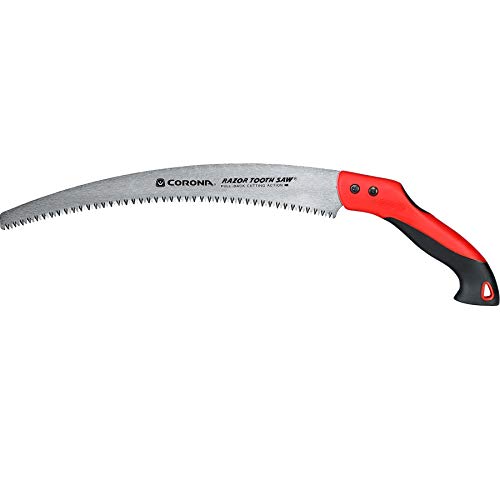
- 12 inch pruning saw for palm tree trimming


Before You Start
Before beginning, assess the tree’s condition and the surrounding area. Mark any power lines or nearby structures, and clear the work zone of people and pets. Wear PPE such as gloves, safety glasses, a hard hat, and sturdy boots. Never prune into the trunk or remove green fronds that still feed the tree, as this can stress the plant. Allow time for cleanup in mild weather to avoid heat stress or sudden storms.
Step-By-Step: How To Clean Up A Palm Tree
- Lay out a plan by inspecting the crown and identifying dead, brown, or diseased fronds.
- Estimate the needed reach and select the appropriate tool (pruning shears, loppers, or a pole saw) for each frond.
- Stand on stable ground or use a secure ladder if you must reach higher fronds; never climb without proper fall protection.
- Begin at the base of the crown and cut the dead fronds first, making clean cuts close to the trunk without nicking live tissue.
- Use the curved-blade pruning knife to trim small, stubborn fronds or fibrous sections that resist shears.
- Progressively work around the crown, removing fronds one by one until the area is tidy but still shaded enough to protect new growth.
- Dispose of debris in yard waste or compost, ensuring that cut fronds are not left to harbor pests or moisture buildup.
- Check for signs of disease or pests in any remaining fronds and treat accordingly with appropriate, approved products.
- Inspect the trunk for scars or damage; apply a light sealant only if recommended for your tree species and climate.
- Reassess the tree after pruning to ensure it has balanced crown coverage and stable growth, making additional trims if necessary.
- Clean and store tools, removing sap or resin to extend tool life and maintain performance for next use.
- Document any notable changes or issues to monitor in subsequent maintenance cycles.
Troubleshooting
| Symptom | Likely Cause | Fix | Prevention |
|---|---|---|---|
| Fronds resist cutting | Dry or over-mature fronds | Use a sharper blade; trim at the base near the trunk | Schedule regular maintenance to prevent overgrowth |
| Trunk shows brown streaks after prune | Tool nick or improper angle | Resharpen blades; cut at a clean angle away from the trunk | Keep blades sharp and use correct pruning technique |
| Debris accumulation under tree | Excess frond drop or improper disposal | Rake regularly; compost or bag waste | Plan cleanup schedule after pruning |
| Dark spots on fronds after cleanup | Possible disease or pest | Consult an arborist and apply approved treatments | Monitor for symptoms and act quickly |
Common Mistakes
- Removing green, healthy fronds unnecessarily
- Using dull blades that crush tissue
- Pruning too close to the trunk, risking rot
- Climbing without fall protection or proper PPE
- Disregarding local regulations about palm pruning times or disposal
Tips For Best Results
- Work from the outer crown inward to maintain balance
- Keep a consistent pruning rhythm to avoid over-trimming
- Sharpen blades before each major pruning session
- Use long-handled tools to reach higher fronds safely
- Dispose debris promptly to discourage pests and disease
Call A Professional
Seek professional help if the palm shows significant structural damage, signs of disease, or if the tree is tall and requires climbing equipment. Stop work immediately if you notice large cracks, looseness at the crown, or if weather conditions become unsafe. A certified arborist can diagnose issues, treat infections, and perform hazardous pruning with proper gear and technique.
FAQ
How do I know which fronds to remove?
Remove fronds that are brown, dead, or diseased. Leave green, healthy fronds that contribute to the tree’s energy production.
Can I prune a palm tree any time of year?
Pruning is generally best during dry, non-windy periods; avoid pruning during extreme heat or cold and follow local guidelines.
What tools are essential for palm cleanup?
Key tools include pruning shears, a pole saw, heavy-duty loppers, a curved blade pruning knife, and a pruning saw.
Is it OK to remove green fronds?
Avoid removing green fronds unless there is a specific health issue; excessive trimming can stress the tree.
What safety gear should I wear?
Wear gloves, safety glasses, a hard hat, and sturdy footwear; consider fall protection for elevated pruning.
How should I dispose of palm fronds?
Follow local yard waste guidelines; bag or compost fronds if allowed in your area.
When should I call a professional?
Call a pro for tall palms, signs of disease, or if you are uncomfortable pruning near power lines or at height.
Buying Guide
Choosing the right tools for palm tree cleanup involves considering size, weight, and cutting capacity. A good set includes long-reach options for tall palms and compact tools for accessible fronds. Look for corrosion-resistant stainless steel blades to ensure longevity, comfortable non-slip handles, and locking mechanisms for safety. Consider noise and maintenance needs, especially for gas-powered tools. Evaluate storage space and ease of transport to fit typical American backyards. If you manage multiple palms, investing in versatile tools that cover pruning, trimming, and edging can reduce clutter and save time.
Size, Weight, And Comfort
For reach and control, select tools with ergonomic grips and balanced weight. A 12 ft pole saw extends your reach without compromising stability, while compact pruning shears are helpful for close-in cuts.
Performance And Durability
Stainless steel blades resist rust and stay sharp longer. Choose hardy loppers and a curved-blade knife designed for palm fronds, which can be fibrous and tough to cut.
Safety Features
Look for locking blades, non-slip handles, and protective sheaths for blades when not in use. If tools are used at height, ensure ladders or platforms meet safety standards.
Usage Scenarios
Consider your palm species and maintenance routine. For tall, multi-trunk varieties, a pole saw paired with loppers can handle most work from the ground. For younger or shorter palms, handheld pruners and a curved knife may suffice.