Dog urine can leave lasting odors and visible stains on carpets and upholstery. This guide provides a practical, step-by-step approach using common pet-safe cleaners and tools to restore fabric surfaces and keep homes smelling fresh.
Quick Answer
Act quickly to blot up excess liquid, apply an enzymatic cleaner to break down uric acid, scrub gently with a carpet brush, and blot again. For stubborn spots, repeat the enzymatic treatment or finish with a steam cleaner designed for pet urine stains.
What You’ll Need
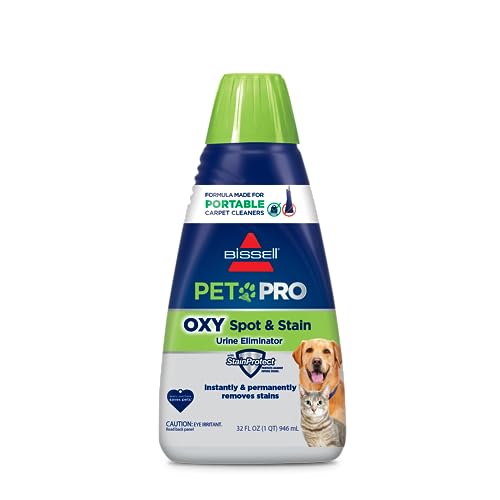
- Enzymatic dog urine cleaner 32 oz spray
- Pet odor remover enzymatic cleaner carpet
- Carpet stain remover for dog pee spray
- Carpet scrub brush set for pet stains
- Steam cleaner for pet urine stains


Before You Start
Before treating a urine stain, test cleaners on a hidden area of the carpet or fabric to ensure colorfastness. Use gloves and good ventilation. Act within 24–48 hours for best results; older stains are harder to fully eradicate. If the stain has set into padding or underneath, additional remedies may be required, and professional cleaning might be advised.
Step-By-Step: How To Remove Dog Pee Stains
- Blot up as much liquid as possible with clean paper towels or a microfiber cloth. Press firmly but avoid rubbing, which can push urine deeper.
- Apply an enzymatic cleaner directly onto the stain, following the product’s instructions. Enzymes break down proteins in urine that cause odor and discoloration.
- Let the cleaner sit for the recommended contact time. Do not blot during this period; allow enzymes to work.
- Gently scrub the area with a carpet scrub brush set for pet stains to lift dried residues. Use small circular motions to avoid damaging fibers.
- Blot again with clean towels to remove moisture absorbed by the carpet backing and padding. Repeat if necessary until the area feels damp but not saturated.
- If the odor persists, reapply the enzymatic cleaner and repeat the scrubbing and blotting steps. For deep-set stains, consider a second treatment after the first dries.
- Rinse lightly with distilled water and blot to remove remaining cleaner residue. Excess residue can attract more dirt if left behind.
- Use a steam cleaner for pet urine stains on the affected carpet or pad, following the device’s instructions. The heat can help extract remaining moisture and odors.
- Allow the area to air-dry completely. Avoid walking on the area until fully dry to prevent soil transfer.
- Inspect the spot after drying. If any stain or odor remains, repeat the process with the appropriate cleaner or consider a professional cleaning.
- For prevention, apply a pet stain protector after the area is completely dry to reduce future penetration.
Troubleshooting
| Symptom | Likely Cause | Fix | Prevention |
|---|---|---|---|
| Persistent odor | Urine penetrated padding | Repeat enzymatic treatment; consider professional cleaning | Address accidents early; use protectors |
| Stain reappears after drying | Residual urine or dye release | Rewash with enzymatic cleaner; extract thoroughly | Test spot treatments first; blot completely |
| Fibers feel stiff after cleaning | Excess cleaner residue | Rinse lightly with water and blot well | Use the recommended amount; avoid oversaturation |
| Discoloration on light carpet | Bleaching or color transfer | Cease use of aggressive cleaners; test in hidden area | Use color-safe products; follow instructions |
Common Mistakes To Avoid
- Rubbing stains instead of blotting, which drives urine deeper.
- Using ammonia or bleach-based cleaners, which can worsen odors or damage fibers.
- Skipping the enzymatic cleaner after household cleaners fail to remove odor.
- Not allowing sufficient contact time for enzymatic cleaners.
- Using too much water, which can lead to mold or padding damage.
Tips For Best Results
- Always start with blotting to remove as much liquid as possible before applying cleaners.
- Choose enzymatic cleaners formulated for dog urine and follow the label directions precisely.
- Test products on a hidden area to prevent color damage, especially on dark or delicate carpets.
- Pair enzymatic cleaning with a steam clean for stubborn stains to maximize extraction of moisture and odor.
- Consider a pet-safe odor neutralizer as a post-treatment step to maintain freshness.
Call A Professional
Seek professional help if:
- The stain is on wall-to-wall carpet with thick padding or on upholstery that cannot be removed easily.
- Odor persists after multiple enzymatic treatments and steam cleaning.
- There is visible staining that reappears after cleaning, suggesting deeper contamination.
Professional cleaners can access stronger formulations and equipment to extract urine from padding and subfloors safely and effectively.
FAQ
What is the best cleaner for dog urine stains?
Enzymatic dog urine cleaner is widely recommended because it breaks down urine proteins that cause odor and staining.
Can carpet stain remover spray help with dog urine?
Yes, a carpet stain remover for dog pee spray can assist with surface staining, but pairing it with an enzymatic cleaner is often more effective for odor.
Is a steam cleaner necessary for pet urine?
A steam cleaner can help extract moisture and boost odor removal, especially on dense carpets, but it should be used after enzymatic treatment.
How long should I let cleaners sit on the stain?
Follow the product label for contact time; typically 5–15 minutes for enzymatic cleaners, longer for tougher stains.
Can I clean urine from upholstery the same way?
Approach upholstery with a smaller amount of cleaner and spot test first; many enzymatic cleaners are safe for fabric but require careful use.
What should I do to prevent future accidents?
Use pet training strategies, provide frequent bathroom breaks, and place absorbent pads or protective barriers where accidents commonly occur.
When should I call a professional?
If odors persist after multiple treatments or if padding is deeply saturated, professional cleaning is recommended.
Buying Guide
Choosing the right products for removing dog pee stains involves considering the stain severity, material type, and cleaning goals. Below are key buying factors to help Americans select effective solutions.
Size and Concentration
Enzymatic cleaners often come in 32 oz spray bottles or larger concentrates. For households with multiple pets or frequent accidents, a larger bottle reduces replacement frequency, while smaller bottles are convenient for travel or quick spot cleaning.
Odor Control And Enzymatic Action
Look for cleaners specifically labeled for pet urine that use enzymes to break down uric acid and organic residues. This improves odor control at the source rather than masking smells.
Surface Compatibility
Check product compatibility with carpet, upholstery, and area rugs. Some formulas work well on fabrics but should be avoided on delicate materials without a test patch.
Application And Drying Time
Consider products with clear application instructions and reasonable drying times. A faster-drying formula reduces downtime and disruption to daily life.
Multi-Function Tools
Using a combination of products—such as an enzymatic cleaner, a carpet stain remover spray, and a carpet scrub brush set—can improve outcomes on tough stains. For deeper odors, a steam cleaner designed for pet urine stains adds an extra cleaning boost.
Noise, Energy, And Usability
While choosing tools like a steam cleaner, consider noise levels and energy use. Quiet, energy-efficient models are preferable for homes with pets or sensitivities. Look for easy-to-use controls and clear instructions for best results.