Cleaning a toilet without harsh chemicals is practical and eco-friendly. This guide focuses on safe, natural methods that work with common household items and durable, natural-bristle tools. Readers will learn practical steps, safety notes, and how to choose the right tools for a clean, fresh bathroom.
Natural cleaning emphasizes non-toxic ingredients, proper ventilation, and routine maintenance. With the right tools and a simple routine, homeowners can keep toilets sparkling without compromising indoor air quality or the environment.
Quick Answer
Best quick method: Scrub with a natural-bristle brush and a paste of baking soda and white vinegar. Let fizz, then scrub and flush. For tough stains, use a lemon peel or citric acid solution, then rinse. Regular weekly cleaning keeps grout and bowls looking bright.
What You’ll Need
- bamboo toilet brush with natural bristles
- stainless steel toilet brush with replaceable head
- reusable silicone toilet wand with replaceable heads
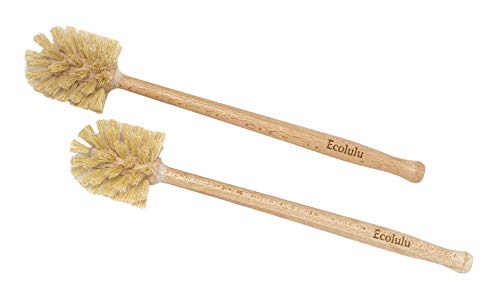
- natural wood-handled toilet bowl scrub brush
- eco-friendly toilet cleaning kit with bamboo brush and spray bottle

Before You Start
Prepare a well-ventilated area and wear gloves. Gather supplies within reach to minimize splashes. Time estimates: light cleaning 10–15 minutes; deep clean 20–30 minutes per toilet. Critical caution: avoid mixing acidic cleaners with bleach, and never use abrasive tools on delicate glaze, which can scratch surfaces.
Step-By-Step: How To Clean Naturally
- Remove any items from the toilet area and flush to wet the bowl.
- Apply a natural cleaner: a paste of baking soda and a few drops of water, or use a citrus-based natural cleaner from the eco-friendly kit.
- Let the cleaner sit for 5–10 minutes to break down stains and mineral deposits.
- Scrub the bowl rim-to-bowl using a bamboo toilet brush or wood-handled scrub brush to cover hard-to-reach spots.
- For stubborn stains, add a splash of white vinegar and scrub again; the fizz helps lift minerals.
- Rinse by flushing and, if needed, repeat the scrubbing step on any remaining stains.
- Wipe the exterior with a damp cloth and a natural cleaner to remove grime around the tank and seat hinges.
- Disinfect the seat and lid using a natural spray, then wipe dry for a streak-free finish.
- Rinse tools with warm water and leave them to air dry in a well-ventilated area.
- Store cleaning supplies in a dedicated caddy away from food areas to avoid cross-contamination.
- Clean tools after each use to extend their life and reduce odor buildup.
- Repeat the routine on a weekly schedule to maintain a naturally clean bathroom environment.
Troubleshooting
| Symptom | Likely Cause | Fix | Prevention |
|---|---|---|---|
| Stubborn mineral rings | Hard water deposits | scrub with baking soda paste and vinegar, then rinse | Regular preventative cleaning |
| Smell after cleaning | Trapped moisture, blocked vent | Dry tools thoroughly; ensure bathroom vent is working | Ventilate during and after cleaning |
| Scrubber head deterioration | harsh brushing or improper storage | Switch to replaceable-head models; dry after use | Store tools upright in a dry area |
| Streaky porcelain | Residue from cleaners | Rinse thoroughly; wipe with a microfiber cloth | Use minimal, high-quality natural cleaners |
Common Mistakes
- Using abrasive pads or strong chemical cleaners on glazed surfaces
- Over-reliance on a single tool; switching tools helps reduce wear
- Neglecting to dry brushes and wands after use, which invites mold
- Combining multiple cleaners without checking compatibility
Tips For Best Results
- Regular maintenance reduces the need for heavy scrubbing; aim for a quick weekly clean.
- Choose tools with natural bristles to reduce scratching on porcelain.
- deodorize by wiping with a citrus-based natural spray after cleaning.
- Label cleaning caddies to keep supplies organized and accessible.
- For scale-prone homes, consider a citric acid spray as a periodic supplement.
Call A Professional
Seek professional help if you notice persistent cracks, significant mineral buildup that resists natural cleaners, or recurring plumbing issues. Signs to stop DIY cleaning include unusual odors that persist after cleaning, or backing up toilets despite routine maintenance.
FAQ
Is baking soda safe for toilet bowls?
Yes. Baking soda is a gentle abrasive that helps lift stains without scratching porcelain.
Can I use vinegar with natural brushes?
Yes, vinegar is safe for natural brushes; rinse thoroughly after use to prevent lingering odors.
Which tool is best for tiny crevices?
The natural wood-handled toilet bowl scrub brush or a reusable silicone toilet wand is effective for crevices around rim connectors.
How often should I replace brush heads?
Inspect weekly; replace worn heads to maintain cleaning efficiency and hygiene.
Buying Guide
When choosing natural cleaning tools, consider size, material quality, and storage. For toilets, a brush with durable bristles and a sturdy handle reduces wear on porcelain. Noise levels from brushes are typically minimal, but consider a silicone wand if you prefer a low-friction cleaning action. Energy efficiency isn’t a direct factor for manual cleaning, but using refillable cleaning solutions helps reduce waste. Look for a kit that includes a spray bottle to minimize extra containers. Placement should keep tools dry and out of reach of children, ideally in a ventilated cabinet or caddy. Compare options by material, replaceable-head availability, and whether a kit includes a complete set of natural cleaners to cover routine maintenance.