Acorns can clutter lawns, sidewalks, and driveways, creating slip hazards and attracting pests. A practical cleanup plan combines the right tools, a clear workflow, and a quick maintenance routine to keep acorns from building up again. This guide outlines a straightforward method suitable for American yards of varying sizes.
By following these steps, homeowners can maintain a tidy yard without excessive labor. The approach focuses on efficient collection, safe handling, and storage of acorns and related debris for mulching or disposal.
Quick Answer
Best quick method: use a steel leaf rake to gather most acorns, then switch to a gas or electric leaf blower vacuum mulcher for finer cleanup. Collect debris in durable 33 gallon leaf bags or poly drawstring bags for easy transport and disposal.
What You’ll Need
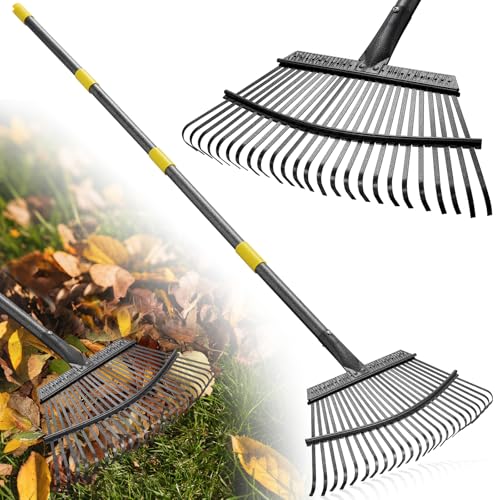
- Steel leaf rake heavy-duty garden rake for acorn cleanup — for initial gathering
- Gas leaf blower vacuum mulcher 3-in-1 for yard debris and acorns — powerful pickup and shredding
- Electric leaf blower vacuum mulcher for acorns and leaves — quieter option with strong suction
- 33 gallon leaf collection bags for yard debris and acorns — ample capacity
- Poly drawstring garden leaf bags for acorn cleanup — durable and portable


Before You Start
Prepare the area by removing children’s toys and pets from the cleanup zone. Check weather conditions; a dry yard is easier to manage. Inspect tools prior to use to ensure guards and safety features are in place. Time estimates vary by yard size: small lawns 30–60 minutes, large yards 1–3 hours. Wear eye protection, gloves, and sturdy footwear to prevent injuries from sharp acorn caps or flying debris.
Position bags for convenient dumping and keep a clear path to the disposal area. If using a blower, start on a low setting and increase as needed to avoid scattering acorns into flower beds or the street.
Step-By-Step: How To Clean Up Acorns In Your Yard
- Brace the steel leaf rake heavy-duty garden rake for acorn cleanup and rake acorns into small piles along the edge of the lawn or near a contained area.
- Move the piles with the rake into larger, consolidated heaps to minimize trips to bags.
- Switch to the gas leaf blower vacuum mulcher 3-in-1 for yard debris and acorns and begin vacuuming the concentrated piles, using the mulching feature if available.
- For shaded or hard-to-reach spots, use the electric leaf blower vacuum mulcher for acorns and leaves to pull debris from corners and under shrubs.
- Direct the vacuum into 33 gallon leaf collection bags for yard debris and acorns or poly drawstring garden leaf bags for acorn cleanup, securing bags before they overflow.
- Repeat the process: rake, collect, and vacuum until the entire area is free of loose acorns.
- Seal the bags and transport them to an approved yard waste site or compost area, ensuring bags are not overfilled.
- Inspect the yard for any missed pockets and re-clean as needed; check for sprouts or new acorn drop zones after rain.
- Store tools in a dry area and clean filter screens of the blower if applicable to maintain performance.
- Dispose of bags following local regulations and rinse rakes and bags if soil or sap sticks to them.
- Conduct a quick post-cleanup walk to confirm pathways are clear and safe for foot traffic.
Troubleshooting
| Symptom | Likely Cause | Fix | Prevention |
|---|---|---|---|
| Blower loses suction | Clogged filter or intake | Clean filter; remove debris from intake | Inspect before use; avoid wet debris |
| Leaves/acorns blow away during cleanup | Wrong nozzle or high wind | Switch to a narrower nozzle and adjust speed | Work with wind, not against it |
| Bags overfill easily | Bag capacity exceeded | Use multiple bags; compact contents | Plan bagging order and frequently switch bags |
| Tools feel heavy or overheat | Prolonged use without breaks | Take short breaks; rotate between tools | Use cordless options for smaller yards |
Common Mistakes
- Raking too aggressively and damaging turf or mulch beds
- Overfilling bags, causing tearing or spills
- Relying on a single tool for all yard debris, reducing efficiency
- Ignoring safety gear, especially eye protection and gloves
Balanced tool use and steady workflow help prevent common missteps and keep cleanup efficient.
Tips For Best Results
- Work in early morning or late afternoon when acorn drop is typically lower and temperatures are comfortable
- Use a wide rake pass to gather larger amounts quickly, then switch to a vacuum for finer debris
- Keep bags in a row to minimize trips; label bags if working across multiple properties
- Consider mulching acorns with a mower or dedicated shredder to reduce volume
Call A Professional
Call a professional if the yard is heavily infested with acorns or if the cleanup would require specialized equipment beyond typical home tools. Stop signs include persistent equipment overheating, recurring clogs despite maintenance, or safety concerns due to nearby utilities or unstable ground. For large properties or commercial settings, a landscape service may offer efficient bulk cleanup and ongoing maintenance plans.
FAQ
Can I use lawn bags for acorns and leaves?
Yes, both 33 gallon leaf collection bags and poly drawstring garden leaf bags are suitable for acorn cleanup and debris collection.
Is a gas blower more effective than an electric one for acorns?
Gas blowers typically offer greater suction power for heavier acorns and damp debris, but electric blowers can handle lighter yardwork with less noise and maintenance.
How often should I clean up acorns in the fall?
Cleanup frequency depends on oak type and local acorn drop patterns; inspect weekly during peak drop and after storms.
What is the best way to dispose of collected acorns?
Compost if allowed by local guidelines, or place in designated yard waste bags for curbside pickup.
Buying Guide
Choosing the right tools for acorn cleanup depends on yard size, noise tolerance, and preferences for power sources.
- Size and yard layout: Larger yards benefit from a gas leaf blower vacuum mulcher for speed, while electric options suit smaller spaces with lower noise.
- Noise level: Electric models are quieter, making them suitable for neighborhoods with noise restrictions.
- Energy efficiency: Electric models save energy and simplify maintenance; gas models offer stronger suction for heavy debris.
- Controls and ergonomics: Look for rechargeable batteries with adequate run time, ergonomic handles, and straightforward bags or sacks.
- Placement and storage: Choose compact, lightweight designs that fit in a shed or garage; consider bag storage capacity near the cleanup zone.
When comparing options, consider how often acorn cleanup will occur, typical yard debris mix, and whether mulching capability reduces volume for disposal. A balanced setup often includes a sturdy rake for initial gathering, a reliable blower/vacuum for pickup, and durable bags that withstand repeated use. Ready your gear, plan a clean path, and approach acorn season with an efficient, repeatable workflow.