Stainless steel offers durability and a sleek look, but it can develop tarnish, fingerprints, and streaks over time. This guide provides practical steps using common household tools and a curated set of cleaning products to restore shine without scratching surfaces.
Quick Answer
To quickly refresh tarnished stainless steel, start with a gentle cleaner or paste, rub with a non-scratch pad, then buff to a mirror finish using a microfiber cloth. For stubborn tarnish, apply a polishing kit and follow with a dedicated cloth set for best results.
What You’ll Need
- Stainless steel tarnish remover cream 8 oz
- Stainless steel cleaner spray 24 oz professional grade
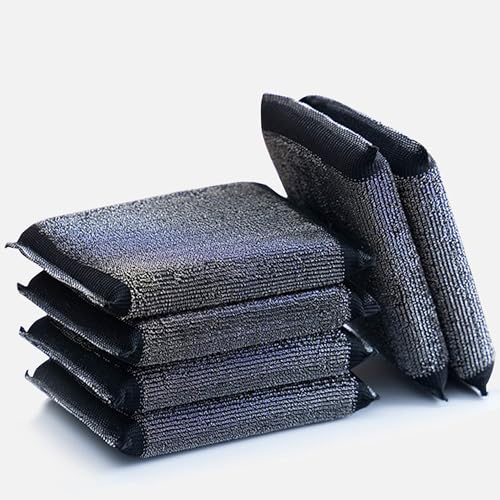
- Non scratch stainless steel scrub pad 3 inch square
- Microfiber polishing cloth set for stainless steel
- Stainless steel polishing kit with paste and cloth bundle


Before You Start
Identify the surface finish and test any product on a hidden area first. Work in a well-ventilated space and wear gloves to protect your hands. For decorative or brushed finishes, avoid harsh rubbing in the direction opposite the grain. Plan cleanup in a moderate time window to prevent drying lines or streaks.
Critical cautions: Do not use steel wool on finished stainless steel, and avoid chlorinated cleaners on aluminum-adjacent metals. Always follow product instructions and keep cleaners out of reach of children.
Step-By-Step: How To Clean Tarnished Stainless Steel
- Clear the area and wipe surfaces with a dry microfiber cloth to remove loose dust.
- Apply a small amount of stainless steel tarnish remover cream to the tarnished area and spread evenly with a damp sponge or microfiber cloth.
- Gently rub in the direction of the grain using a non scratch stainless steel scrub pad for stubborn spots.
- If residue remains, spray a light mist of stainless steel cleaner spray and wipe with a clean microfiber cloth.
- Buff the surface with a fresh microfiber polishing cloth until a bright, streak-free shine appears.
- For heavy tarnish, use a stainless steel polishing kit with paste and cloth bundle according to the package directions, then buff again.
- Wipe down once more with a damp cloth to remove any remaining paste or cleaner residue.
- Dry the surface completely with a clean, dry microfiber cloth to prevent water spots.
- Inspect for uniform shine; repeat if needed on persistently tarnished areas only.
- Finish with a light pass of the polishing kit or cloth to seal the shine and protect against future tarnish.
Troubleshooting
| Symptom | Likely Cause | Fix | Prevention |
|---|---|---|---|
| Dull, cloudy finish | Residue left from cleaner or paste | Wipe with a fresh microfiber cloth and dampen slightly; re-buff | Rinse with water between products |
| Streaks after cleaning | Improper drying or high mineral content water | Dry with a lint-free cloth; wipe with distilled water | Dry thoroughly after cleaning |
| Scratches or etched marks | Using a harsh pad or abrasive paste | Switch to non-scratch pads and mild pastes | Test in a hidden area first |
| Persistent tarnish in tough areas | Built-up grime in corners | Apply cleaner or paste with a small brush; re-clean | Regular maintenance to prevent buildup |
| Finish discoloration after cleaning | Incompatible cleaners or sealant | Use dedicated stainless steel products only | Stick to recommended product lines |
Common Mistakes
- Using abrasive tools on brushed finishes
- Over-wetting surfaces and leaving water spots
- Combining cleaners with bleach or chlorine-based products
- Skipping a test patch on unseen areas
Addressing tarnish effectively requires selecting the right combination of products and applying them with care. Rushing through the process often leaves micro-scratches or dull patches that are harder to fix later.
Tips For Best Results
- Work in a shaded area to reduce rapid drying and streaks.
- Use a dedicated microfiber cloth set for stainless steel to avoid cross-contamination.
- Follow grain direction during rubbing to achieve uniform shine.
- For large appliances, break the job into sections to maintain consistent results.
- Choose a polishing kit that includes both paste and cloths for a professional finish.
Call A Professional
Consider professional help if surfaces show deep pitting, corrosion near seams, or if tarnish recurs rapidly after cleaning. Seek a pro when cleaning a fragile finish, custom or antique hardware, or if the surface supports vital functions (e.g., medical equipment or food-contact surfaces) and you’re unsure about product compatibility.
FAQ
What is the best product to remove tarnish from stainless steel?
Many home setups benefit from a dedicated stainless steel tarnish remover cream followed by a finishing polish to restore shine.
Can I use everyday cleaners on stainless steel?
Yes, but avoid a mix of cleaners that can dull or damage the finish; use purpose-made stainless steel cleaners when possible.
How do I remove water spots after cleaning?
Dry surfaces thoroughly with a microfiber cloth and consider a light pass with a polishing cloth to seal the finish.
Is it safe to use a scrub pad on brushed stainless steel?
Yes, but ensure the pad is non-scratch and move with the grain to prevent micro-scratches.
Should I seal stainless steel after cleaning?
Sealing isn’t always necessary, but some polishing kits include protective steps that help resist fingerprints and future tarnish.
What should I do if tarnish returns quickly?
Regular maintenance with the listed products can help; consider a more frequent cleaning schedule or re-evaluating the cleaning routine.
Buying Guide
When choosing products to maintain and restore tarnished stainless steel, consider size, application method, and finish compatibility. A multi-product approach often yields the best results, combining a cleaner, a polish, and a detailing cloth set. Look for rinse-free or easy-wipe formulas for convenience, and ensure the products are labeled safe for food-contact surfaces if used in kitchens. For larger appliances or commercial settings, a professional-grade cleaner spray with a dedicated polishing kit can streamline maintenance. Consider storage space, ease of use, and whether you prefer a kit with all-in-one paste and cloths or separate items for flexibility.