Bronze door handles add character and warmth to a home, but keeping them clean without damaging the finish requires care. This guide explains practical, safe methods to clean and protect bronze door hardware, using common products that are gentle on patina while removing dirt, oils, and oxidation.
Quick Answer
For routine cleaning, wipe with a soft cloth dampened with warm water and a tiny amount of non-abrasive bronze cleaner. For tarnish and oxidation, use a gentle oxidation remover bronze door hardware and finish with patina protection bronze door handle polish wax. Always test in a hidden area first.
What You’ll Need
- antique bronze door hardware cleaner kit
- bronze door knob cleaner polish set
- non-abrasive bronze cleaner spray for door handles
- oxidation remover bronze door hardware
- patina protection bronze door handle polish wax
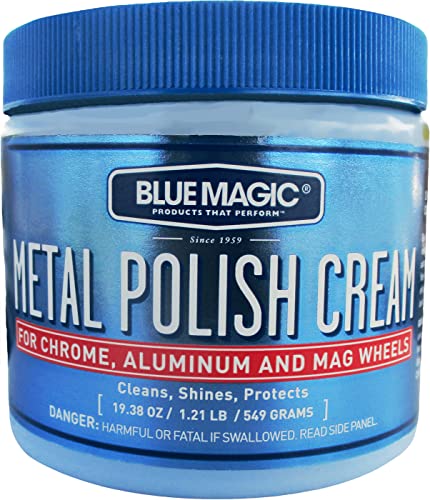

Before You Start
Before cleaning, remove the door handle if possible to access all surfaces, or protect surrounding surfaces with painter’s tape. Work in a well-ventilated area and wear soft cotton gloves to avoid fingerprints. Do not use abrasive pads, acidic cleaners, or ammonia-based products, as these can scratch or dull the bronze patina. Plan for a thorough clean when rooms are not in heavy use to minimize disruption.
Estimated time: 20–40 minutes for a full clean and protection cycle, depending on tarnish level.
Step-By-Step: How To Clean Bronze Door Handles
- Remove any removable parts and lay the handle on a soft cloth to protect the finish during cleaning.
- Dust with a dry microfiber cloth to remove loose dirt and oils.
- Apply a small amount of non-abrasive bronze cleaner spray to a clean cloth and gently wipe the entire surface in a circular motion.
- For stubborn tarnish, apply a thin layer of oxidation remover bronze door hardware and let it sit according to the product instructions.
- Rinse the treated area with a cloth dampened in warm water to remove cleaner residues.
- Dry thoroughly with another clean, soft cloth to prevent water spots or streaks.
- Buff with a soft, dry cloth to restore shine and even patina appearance.
- Apply patina protection bronze door handle polish wax in a thin coat and buff to a subtle sheen to protect against future tarnish.
- Reassemble the door handle and wipe away any fingerprints from the surrounding area.
- Inspect for missed spots and repeat the cleaning cycle on any high-use areas as needed.
- Store products sealed and out of reach of children, following the manufacturer’s safety instructions.
- Schedule periodic maintenance based on environment: damp or coastal areas may need more frequent cleaning.
Troubleshooting
| Symptom | Likely Cause | Fix | Prevention |
|---|---|---|---|
| Dull, uneven finish after cleaning | Over-application of cleaner or uneven buffing | Re-clean with a light hand and buff evenly; avoid circular over-polishing | Use minimal product; follow instructions |
| Reappearing tarnish within days | High humidity or acidic cleaners | Switch to non-abrasive, corrosion-free products; ensure proper drying | Keep interiors dry and wipe surfaces regularly |
| Scratches on surface | Aggressive scrubbing or abrasive tools | Stop using abrasive pads; switch to microfiber | Protect handles with soft cloth during cleaning |
| Sticky residue after wax | Too thick an application | Wipe off excess with a clean cloth and buff | Apply wax sparingly in a thin layer |
Common Mistakes
- Using abrasive scrubbers or steel wool on bronze finishes
- Applying cleaners directly to the latch mechanism or internal parts
- Neglecting to dry surfaces thoroughly, leading to water spots
- Skipping a test patch on a hidden area before full application
Addressing these issues helps preserve the bronze’s natural patina while keeping handles hygienic and appealing.
Tips For Best Results
- Test cleaners on a small, inconspicuous area first to verify compatibility.
- Use a dedicated microfiber cloth for cleaning and another for drying to avoid cross-contamination.
- Clean high-use doors more frequently to prevent buildup and oxidation.
- Follow product instructions for dwell time when using oxidation removers to avoid over-cleaning.
- Store cleaners in a cool, dry place away from direct sunlight to maintain effectiveness.
Call A Professional
Consider contacting a professional if the bronze shows severe patina loss, corrosion, or if the door hardware is antique or irreplaceable. Signs to seek help include deep pits, flaking finishes, or if restoration requires refinishing the entire door face. A pro can advise on whether to preserve the existing patina or apply a protective coating.
FAQ
Is it safe to use household cleaners on bronze door handles?
Most household cleaners are safe if they are non-abrasive and pH-balanced; always test first and avoid ammonia or acidic products on bronze finishes.
How can I maintain a protective patina on bronze?
Apply a light coat of patina protection bronze door handle polish wax after cleaning and buff to a subtle sheen; reapply as needed based on exposure.
Can I remove heavy tarnish without damaging the finish?
Yes, with a gentle oxidation remover bronze door hardware used sparingly and followed by thorough rinsing and drying.
How often should bronze door handles be cleaned?
In typical interiors, every 4–8 weeks suffices; higher humidity or coastal environments may require more frequent cleaning.
Should I remove the handle for cleaning?
Removing the handle can improve access and cleaning reach, especially for backplates and hidden surfaces.
What about wax vs. polish for protection?
Wax provides a protective barrier and a lasting sheen; polish wax is a convenient option for a quick, even finish.
Is professional restoration necessary for antique hardware?
Antique pieces benefit from professional assessment to preserve value and avoid irreversible damage.
Buying Guide
When selecting products to clean and protect bronze door handles, consider several factors to achieve safe and effective results:
- Size and scope: For a few handles, a compact cleaner kit may suffice; for multi-door homes, a larger kit with multiple applications helps.
- Type of product: Choose non-abrasive cleaners and oxidation removers that specify bronze compatibility. Separate wax/polish for protection.
- Finish compatibility: If handles have a lacquered or antique patina, verify that cleaners won’t strip protective coatings or alter color.
- Ease of use: Spray-based cleaners and pre-waxed polishes simplify maintenance for busy households.
- Drying time: Quicker-dry formulas reduce downtime and minimize spotting on glass or wood nearby.
- Protective options: A patina protection bronze door handle polish wax provides a lasting protective layer against moisture and oils.
- Environment and safety: Look for products with low VOCs and clear safety instructions for homes with children or pets.
- Maintenance plan: Consider a routine that matches your climate, door traffic, and whether hardware is antique or modern.