Chrome faucets bring a bright, modern look to kitchens and bathrooms, but they can develop tarnish and dull spots over time. This guide provides practical, step-by-step methods to restore shine using common cleaners and specific chrome-safe products. Readers will learn safe techniques, product options, and maintenance tips to keep fixtures gleaming.
Whether you’re tackling a single faucet or a bathroom full of chrome, the goal is to remove oxidation without scratching the surface. The following steps focus on gentle cleaners, polish, and protective coatings that work well on most chrome finishes found in American homes.
Quick Answer
Fast method: start with a mild cleaner, rinse thoroughly, then buff with a microfiber cloth. For stubborn tarnish, use a specialty chrome tarnish remover spray or gel, followed by a polishing paste for a lasting shine. Finish with a spray or paste designed for chrome protection.
What You’ll Need
- Chrome faucet tarnish remover spray 12 oz
- Chrome faucet cleaner and polish kit with microfiber cloth
- Streak-free chrome faucet cleaner spray 16 oz
- Gel-based chrome faucet tarnish remover 8 oz
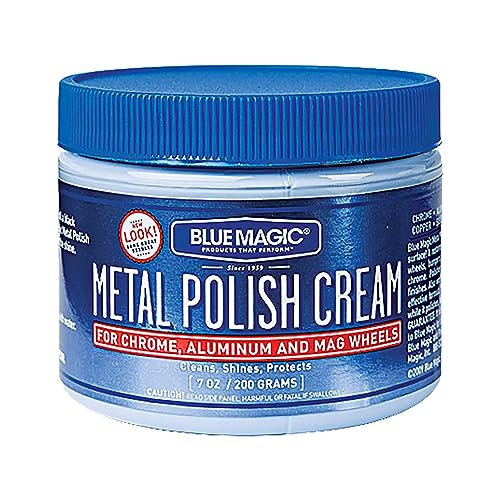
- Chrome faucet polishing paste 4 oz


Before You Start
Before cleaning, turn off any water flow and protect the surrounding surfaces with a towel or painter’s tape. Use gloves if you have sensitive skin, and avoid abrasive scrubbers that can scratch chrome. Work in a well-ventilated area. For heavy tarnish or antique finishes, test the cleaner on a small, inconspicuous area first to ensure compatibility. Time to complete: typically 20–40 minutes for a standard faucet.
Caution: Do not mix cleaners with ammonia or bleach, and avoid acidic cleaners on plated chrome, which can corrode the finish over time.
Step-By-Step: How To Clean Tarnished Chrome Faucets
- Remove loose dirt with a soft, damp cloth to reveal the tarnish areas without grinding debris into the surface.
- Apply a chrome faucet tarnish remover spray or a gel-based chrome faucet tarnish remover to a microfiber cloth and rub gently in circular motions over the affected areas.
- Let the cleaner sit for the manufacturer’s recommended dwell time, then wipe clean with a fresh microfiber cloth.
- For persistent spots, switch to a streak-free chrome faucet cleaner spray and re-clean, paying attention to corners and joints.
- Rinse thoroughly with water to remove all residues and dry with a soft cloth to prevent water spots.
- Apply a chrome faucet polishing paste to a clean cloth and buff the surface until it shines. Use light, circular motions and finish with a dry microfiber cloth.
- If desired, use a chrome-specific protector or polish kit to provide a protective layer that reduces future tarnish and makes cleaning easier next time.
- Inspect aerators and remove mineral buildup by soaking them in a mild solution, then reattach once clean.
- Repeat any steps for spots that reappear, using less aggressive methods first to avoid over-polishing.
- Store cleaners in a cool, dry place and label any partial bottles for future touch-ups.
Troubleshooting
| Symptom | Likely Cause | Fix | Prevention |
|---|---|---|---|
| Dull finish remains after cleaning | Residual film or mineral deposits | Re-clean with streak-free spray and polish paste | Wipe dry after use; avoid leaving water on chrome |
| Sticky residue after cleaning | Leftover cleaner or hard water minerals | Rinse thoroughly, re-dry, and buff | Rinse completely; wipe dry immediately |
| Scratches or dull spots appear | Overly abrasive tools or cleaners | Switch to non-abrasive cloths and gentler cleaners | Use soft cloths; test new products on hidden areas |
| All tarnish comes back quickly | Ineffective cleaner or ongoing mineral exposure | Try a stronger gel or spray designed for chrome; seal with polish | Set up regular cleaning routine |
Common Mistakes
- Using abrasive pads or brushes that scratch chrome surfaces
- Mixing cleaners, especially acidic or ammonia-based products
- Skipping thorough rinsing, leaving residue that attracts more grime
- Over-polishing or applying heavy pressure, which can wear the finish
Sticking to soft cloths and chrome-safe products minimizes damage while achieving a bright finish.
Tips For Best Results
- Work in small sections to prevent uneven results and keep products from drying on surfaces.
- Use microfiber cloths for lint-free polishing and easier buffing.
- For frequent tarnish, consider a regular maintenance routine with a chrome-specific cleaner.
- Protect surrounding metal fixtures by masking or moving items during cleaning.
- Test any new product on an inconspicuous area first to confirm compatibility.
Call A Professional
Consider contacting a professional if chrome fixtures are heavily corroded, pitted, or if the finish is a legacy finish not compatible with standard cleaners. Stop and seek help if you notice bubbling, flaking, or discoloration that worsens after cleaning. Serious tarnish or damage may require refinishing or replacement.
FAQ
What is the best cleaner for chrome faucet tarnish?
A combination approach using a chrome faucet tarnish remover spray or gel, followed by a polishing paste, generally yields the best results on most chrome finishes.
Can I use household vinegar to clean chrome faucets?
Light vinegar solutions can work for mineral deposits, but avoid prolonged exposure and test first to prevent clouding or damage on plated chrome.
How often should I clean chrome faucets?
Regular quick cleanups every 1–2 weeks help prevent buildup; a deeper polish monthly or quarterly keeps the shine long-lasting.
Will polishing paste remove scratches?
Polishing paste can improve minor scratches and dull spots, but deep scratches may require professional refinishing.
Are there eco-friendly chrome cleaners?
Yes, many brands offer biodegradable or low-VOC chrome cleaners that are safer for homes with children or pets.
Do I need to remove aerators during cleaning?
Removing and cleaning aerators helps prevent mineral buildup and restores water flow without affecting the finish.
Buying Guide
When choosing products and tools to keep chrome faucets shining, consider size, ease of use, and compatibility with your fixture finish. A typical home use kit includes a cleaner and polish, but adding a polishing paste can enhance results. Look for products labeled as safe for chrome, non-abrasive, and non-corrosive. If you have hard water, a dedicated dentant or deposit-removing option may be helpful. Consider spray formats for quick touch-ups and gel formulas for stubborn tarnish. For best results, use a microfiber cloth and follow the manufacturer’s instructions on dwell time and rinsing. Finally, evaluate maintenance needs: some kits include multiple items (cloths, sprays, and polishes) that streamline routine cleaning and reduce the risk of scratching.