Frizzy hair can disrupt perfect styling in minutes, especially on humid days. This guide provides a practical, step-by-step approach using common styling tools to tame frizz quickly while protecting hair health. The methods combine heat, technique, and targeted products to deliver smoothness without a lengthy routine.
Quick Answer
For fast frizz control in five minutes, start with a microfiber towel wrap to remove excess moisture, apply a heat-protectant product, and smooth with a boar bristle anti-frizz brush. Use a 1 inch ceramic flat iron in small sections, then finish with an ionic hair dryer on a cool setting to seal the style.
What You’ll Need
Gather these essentials before you begin. They are designed to work together for rapid results while protecting hair integrity.
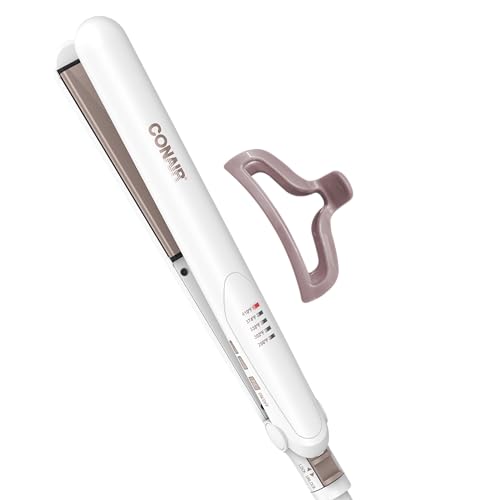
- 1 inch ceramic flat iron for frizzy hair
- ionic hair dryer with diffuser
- boar bristle anti-frizz brush
- heat resistant silicone styling mat for flat iron
- microfiber hair towel wrap


Before You Start
Prepare a clean, dry base. If hair is freshly washed, wrap in a microfiber towel wrap for 1–2 minutes to remove excess water without friction. Protect hair from heat damage by applying a heat protectant serum or spray before any heat styling. Work in a well-lit area and have all tools within reach. This routine assumes straight or slightly wavy hair and may require adjustments for very coarse textures.
Time estimate: 5–8 minutes from start to finish. If hair is longer or thicker, allow extra minutes, but keep the plan tight to maintain the five-minute goal.
Step-By-Step: How To Get Rid Of Frizzy Hair In Five Minutes
- Place a microfiber towel wrap around the hair and gently blot to reduce moisture. Avoid rubbing, which can create more frizz.
- Apply a heat-protectant product evenly from roots to ends. A light coating helps seal cuticles and reduces heat exposure.
- Section hair into two to four panels. Small sections ensure even heat distribution and better frizz control.
- Begin with the 1 inch ceramic flat iron for frizzy hair. Glide slowly from mid-length to ends, turning the flat iron to smooth each strand without excessive pressure.
- Use the boar bristle anti-frizz brush to comb through each section after passing the flat iron. This helps distribute natural oils and further reduce flyaways.
- Optionally mist a light shine spray or smoothing serums on the ends to add a polished look without weighing hair down.
- Conclude with the ionic hair dryer with diffuser on a cool or low-heat setting to set the style and reduce static. Use a quick, downward motion to seal the cuticle.
- Finish by smoothing any remaining frizz with the brush and a gentle pass of the flat iron over the ends if needed.
- Check for stray hairs, especially around the crown and hairline. Recheck with cool air for final set and reduce puffiness.
- Wipe the silic“one” mat clean after use to keep tools ready for next time and prevent transfer of product buildup.
- Enjoy a sleek, frizz-free look that lasts through light humidity spikes.
- Store tools safely in a dry area using heat-safe mats to prevent heat transfer to sensitive surfaces.
Troubleshooting
| Symptom | Likely Cause | Fix | Prevention |
|---|---|---|---|
| Hair still frizzy after styling | Insufficient heat protection or uneven heat | Reapply heat protectant and re-run sections with 1–2 passes each | Use evenly heated flat iron and keep flat iron moving |
| Flat iron leaves creases | Hair is too damp or plate temp is too low | Dry hair completely before ironing; increase plate temperature safely | Always dry hair thoroughly and test heat on a strand |
| Static or flyaways | Low humidity and dry hair | Finish with a light conditioning spray or smoothing serum | Hydrate hair with leave-in conditioner; use cool air |
| Frizz returns after humidity exposure | Humidity too high or insufficient sealing | Reapply a lightweight smoothing product and recurl with cool air | Use an anti-humidity styling product; consider a light setting spray |
Common Mistakes
- Rubbing hair with a towel; it creates friction and frizz.
- Overloading products near the roots, which weighs hair down.
- Using too-high heat on fine or damaged hair, causing breakage and shine loss.
- Skipping a heat protectant, increasing long-term damage.
- Holding the flat iron in one spot; this can burn the hair and create kinks.
Tips For Best Results
- Work in a cool, dry room to reduce static and humidity-driven frizz.
- Choose a ceramic plate iron for even heat distribution and smoother glide.
- Keep the boar bristle brush clean to maximize oil distribution and frizz control.
- Invest in a microfiber towel wrap to minimize friction during drying.
- When possible, use a diffuser attachment to minimize heat while maintaining style.
Call A Professional
If hair remains unusually frizzy despite consistent use of heat tools and protective products, consider consulting a licensed stylist. Stop and seek professional advice if you notice excessive breakage, scalp irritation, or allergic reactions to products.
FAQ
Can I use a regular flat iron for this routine?
Yes, but a 1 inch ceramic flat iron designed for frizzy hair typically provides smoother heat distribution and minimizes damage.
Is a diffuser essential for this routine?
Not essential, but it helps reduce heat damage and adds moisture management when drying after styling.
How can I prevent frizz overall in humid weather?
Use a humidity-resistant styling product and seal with cool air to lock the finish.
Will this method work on curly hair?
Yes, but curls may need extra definition after straightening, using targeted products or light reshaping with a brush.
Buying Guide
When choosing tools for taming frizz, several factors matter. Size, noise, energy efficiency, controls, and placement all influence practicality and results in a home setup.
Size and type: A 1 inch ceramic flat iron for frizzy hair offers a balance between precision and speed for most hair lengths. For very short hair, a smaller plate may be quicker; for long, thick hair, consider a higher wattage dryer with concentrators.
Noise level: Look for well-insulated motors and metal housings designed to run quietly, especially for early-morning styling or shared living spaces.
Energy efficiency: Ceramic and tourmaline technologies typically provide efficient heat with less energy waste and smoother results. Compare wattage and heat-up time for practical daily use.
Controls: Digital temperature control helps tailor heat to your hair type, reducing damage. A cool-shot button is helpful for setting the finish and reducing frizz.
Placement and storage: A heat-resistant silicone styling mat for flat iron and a dedicated stand help keep counters safe. A microfiber hair towel wrap is convenient for quick drying and frizz control on busy mornings.
Related considerations: If heat styling is frequent, pairing a good flat iron with an ionic hair dryer can accelerate drying while minimizing frizz. A boar bristle anti-frizz brush supports smoothing during styling, and a compact diffuser can enhance finish without introducing humidity-caused frizz.