Cleaning aquarium substrate is essential for maintaining clear water and healthy fish. This guide explains practical steps to safely remove debris and prevent resuspension, using common tools designed for substrate care.
Readers will learn a straightforward routine, from prep to maintenance, with clear steps and troubleshooting tips to keep substrates like sand or gravel pristine without stressing aquatic inhabitants.
Quick Answer
Key takeaway: Use a dedicated substrate cleaning tool to agitate and siphon debris while leaving beneficial bacteria intact. Start with a gentle rinse of the substrate, then perform controlled siphoning during water changes to maintain stable parameters.
What You’ll Need
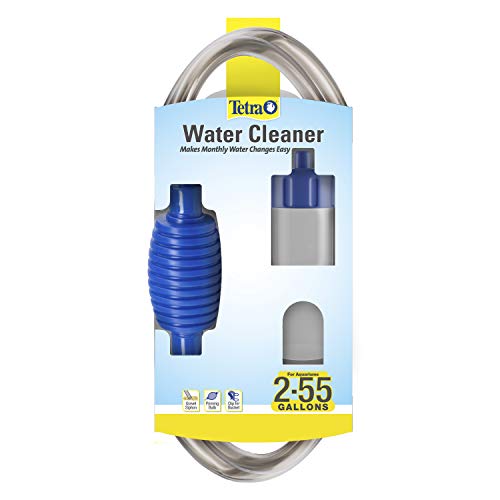
- Aquarium gravel vacuum kit or aquarium substrate siphon kit with prefilter
- Gravel cleaning brush for aquarium substrate
- Aquarium sand sifter tool (optional for fine sand)
- Aquarium gravel rake for substrate leveling (for releveling after cleaning)
- Basic bucket and siphon tubing for water changes
- Test kit to monitor parameters during and after cleaning


Before You Start
Ensure the aquarium is not overstocked and the filter is running to maintain beneficial bacteria. Remove any large debris manually before using a siphon. Have a partial water change plan ready in case turbidity increases. Avoid stirring substrate too aggressively, which can release toxins and harm fish.
Time estimate: 15–30 minutes for a typical 20–40 gallon setup, longer for heavily stocked tanks. If you notice abnormal ammonia or nitrite after cleaning, pause and test water quality before continuing.
Step-By-Step: How To Clean Substrate
- Unplug equipment if necessary and prepare your aqua substrate siphon kit with prefilter to minimize disruption.
- Place the intake near the top layer of substrate to avoid pulling up too much sand or gravel.
- Gently move the siphon over the substrate in a sweeping motion to loosen debris without excavating the entire layer.
- Allow debris to be drawn into the vacuum while the water flows into a bucket. Keep a steady pace to prevent cloudiness.
- Periodically pause to check the substrate surface. If you see uneven areas, use the aquarium gravel rake for substrate leveling to smooth the bed.
- When the water around the substrate becomes clear, stop siphoning and remove the siphon to complete the water change.
- Rinse or replace prefilters as needed to maintain consistent suction and reduce disturbance in the tank.
- Refill with treated water that matches temperature and parameters; resume filtration after refilling.
- If you’re cleaning sand, consider using the aquarium sand sifter tool to selectively lift debris without removing sand grains.
- Recheck water parameters within 24 hours and perform a light, follow-up siphon if necessary.
- Clean the tools after use and store them in a dry area to prevent rust or corrosion.
- Document any changes in substrate appearance or behavior of tank inhabitants for ongoing care.
Troubleshooting
| Symptom | Likely Cause | Fix | Prevention |
|---|---|---|---|
| Cloudy water after cleaning | Excess disturbed substrate | Pause, wait for clear water, and perform a smaller, incremental siphon | Avoid aggressive substrate agitation |
| Sand grains pulled up | Excessively high suction or deep substrate | Adjust intake height and slow movement | Use sand-specific tools and low-flow settings |
| Uneven substrate | Uneven stirring or digging | Use gravel rake to relevel | Move methodically in straight, shallow passes |
| A sudden ammonia spike | Disturbed Biological Filtration | Test water, increase aeration, perform partial water change | Clean gradually and monitor parameters |
Common Mistakes
- Cleaning too aggressively and lifting too much substrate at once
- Using a siphon with no prefilter, which can clog quickly
- Neglecting to match water temperature and parameters during refilling
- Overlooking the need to relevel the substrate after cleaning
Tips For Best Results
- Perform cleaning during regular water changes to minimize stress on inhabitants.
- Use the aquarium gravel vacuum kit with the prefilter to reduce debris immediately.
- For heavier debris, pause and repeat small passes rather than a single long pass.
- Keep a consistent cleaning schedule to prevent buildup and maintain clarity.
- Test water parameters soon after cleaning to detect any imbalances early.
Call A Professional
Seek professional help if you notice persistent ammonia, nitrite spikes, or prolonged cloudiness despite regular cleaning and water changes. Stop cleaning if fish show signs of stress, such as gasping at the surface, rapid gill movement, or lethargy. A qualified aquarist can assess substrate conditions and bacterial balance and recommend advanced remediation if needed.
FAQ
What is the best tool for cleaning substrate?
The aquarium gravel vacuum kit with a prefilter is a reliable all-in-one option for most freshwater tanks.
Can I use sand for all tanks?
Sand requires careful handling; a dedicated aquarium sand sifter tool helps avoid removing too much sand while cleaning.
How often should I clean substrate?
Depends on stocking levels and feeding; a monthly or biweekly schedule is common for many setups.
Will cleaning disturb beneficial bacteria?
Light disturbance is normal; aim to preserve the top biofilm and perform gradual cleaning during water changes.
Is siphoning safe for plants?
Yes, but avoid excessive suction near delicate roots and use gentler passes to preserve plant health.
Buying Guide
When selecting tools for substrate care, consider size, noise, and compatibility with your tank. A robust aquarium gravel vacuum kit or aquarium substrate siphon kit with prefilter should be easy to assemble, comfortable to handle, and durable. Look for a model with a wide nozzle for quick debris removal and a reliable prefilter to reduce clogs. If you have fine sand, a dedicated aquarium sand sifter tool helps keep grains in place while you clean. For leveling after cleaning, a aquarium gravel rake for substrate leveling can restore an even bed. Consider storage options and replaceable parts to extend tool life. Finally, ensure the kit works with your tank size and filtration setup to maintain stable water quality during and after cleaning.