Pet urine can penetrate porous subfloors and leave lasting odors if not addressed carefully. This guide offers practical steps for American homeowners dealing with urine stains on concrete basement subfloors, focusing on odor removal, moisture assessment, and durable sealing options. The approach combines affordable cleaning products with measurable prep to restore a fresh, healthier space.
Proper cleaning reduces health risks associated with urine residues and helps protect the structural concrete from moisture damage. The following sections outline a clear, repeatable process suitable for DIY projects and includes safety considerations, tool lists, and troubleshooting tips.
Quick Answer
Act quickly: blot excess urine, test moisture, use an enzyme cleaner to break down organic residues, apply an odor-control spray if needed, dry thoroughly, then seal with a waterproof epoxy coating for long-term protection. For ongoing moisture monitoring, use a moisture meter to verify the subfloor is dry before final sealing.
What You’ll Need
- Enzyme cleaner for pet urine concrete floors
- Pet urine odor remover enzyme spray 1 gallon
- Moisture meter for subfloor concrete
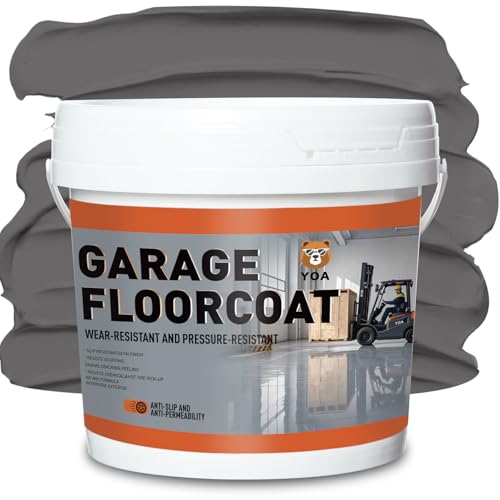
- Waterproof epoxy floor coating for concrete basement
- Industrial wet dry vac for pet urine cleanup
- Clean rags, PPE (gloves, eye protection)


Before You Start
Assess the area and prepare the space. Clear furniture, seal off the room to prevent pet access during cleaning, and protect floors nearby. Wear gloves and eye protection when handling cleaning agents. Ensure good ventilation to minimize fumes from cleaners and coatings. Time estimates vary by square footage and moisture conditions, but plan for a half-day to a full day including drying time. Critical cautions include never mixing cleaners with ammonia-based products and ensuring the subfloor is completely dry before applying any epoxy coat to avoid trapping moisture.
Step-By-Step: How To Clean Subfloor From Pet Urine
- Contain the area and remove loose debris from the surface using a dry broom or vacuum with a concrete-friendly filter.
- Blot up as much fresh urine as possible with clean towels, applying pressure without scrubbing to prevent spreading.
- Apply the enzyme cleaner for pet urine concrete floors according to product instructions, ensuring full saturation of affected areas.
- Allow the enzyme to dwell for the recommended time to break down organic compounds; re-wet if the surface dries during the dwell period.
- Use the industrial wet dry vac for pet urine cleanup to extract the liquid thoroughly after the enzyme has worked, then let the area air-dry.
- Once dry, test the moisture level with the moisture meter for subfloor concrete. Confirm moisture is within the acceptable range before proceeding.
- Spray the pet urine odor remover enzyme spray 1 gallon in a light mist over the treated area to address remaining odors and prevent reinoculation.
- Apply a thin, even coat of waterproof epoxy floor coating for concrete basement to seal the subfloor and provide moisture resistance. Follow manufacturer’s curing times and ventilation guidance.
- Re-test moisture after curing to ensure no hidden moisture pockets exist that could compromise the epoxy bond.
- Reinstall flooring or install a suitable top layer if desired, and monitor for new odors or damp spots over the following days.
- Store cleaning products securely and document the area for future maintenance checks.
Troubleshooting
| Symptom | Likely Cause | Fix | Prevention |
|---|---|---|---|
| Persistent odor after cleaning | Residual organic material not fully decomposed | Repeat enzyme treatment and air out thoroughly | Address urine spots promptly, ventilate during cleaning |
| Moisture readings too high | Moisture trapped beneath concrete or behind seal | Extend drying time, use dehumidifier, re-check after 24 hours | Ensure substrates are dry before epoxy coating |
| Epoxy coating fails to cure | Excess moisture or improper surface preparation | Re-sand, re-etch, and re-clean the area; ensure dry | Verify moisture content before application |
| Stains remain after cleaning | Deep-set mineral deposits or dye from urine | Surface etching or light abrasive cleaning may help; reapply cleaner | Treat immediately at first sign of staining |
Common Mistakes
- Rushing the drying phase before sealing the subfloor
- Using incompatible cleaners that leave residues
- Skipping moisture testing prior to epoxy coating
- Ignoring ventilation during enzyme treatment and coating application
Tips For Best Results
Consistency matters: follow each product’s dwell times and ventilation guidance. For concrete basements, sequencing enzyme cleaners first, then odor sprays, and finally a waterproof coating yields the longest-lasting results. Keep an emergency kit handy with an enzyme cleaner, odor remover spray, and a moisture meter to respond quickly to new incidents. Consider applying a second coat of epoxy if the area is heavily used or has multiple urine events over time.
Call A Professional
Stop and call a professional if any of the following apply: moisture readings remain elevated after multiple drying attempts, odors persist despite multiple enzyme treatments, or you need professional-grade epoxy coatings for high-traffic spaces. Structural concerns, persistent dampness, or visible leaks require expert evaluation to prevent future damage or failure of coatings.
FAQ
Can I use household cleaners for subfloor urine cleanup?
Household cleaners may not break down all organic residues; use an enzyme cleaner designed for pet urine on concrete floors.
Is moisture testing essential before epoxy coating?
Yes, improper moisture levels can trap moisture and cause coating failure; testing helps ensure a durable seal.
How long does the epoxy coating take to cure?
Cure times vary by product; follow manufacturer instructions and ensure adequate ventilation and temperature control.
Will the odor come back after sealing?
If urine is not fully treated or moisture pockets remain, odors can reappear. Re-test and re-treat as needed.
What if the basement is damp year-round?
Address underlying moisture issues (drainage, humidity control) before applying coatings to ensure long-lasting results.
Buying Guide
When choosing products for cleaning a urine-affected subfloor, consider factors like surface compatibility, drying times, and odor removal effectiveness. For concrete basements, a two-step approach—enzyme cleaning followed by a moisture-safe epoxy seal—often delivers the best results. Compare products based on coverage per gallon, dwell time, and the strength of the odor-removal enzymes. Evaluate the practicality of a moisture meter to guide the process and prevent premature coating. Finally, assess whether a single-coat epoxy is sufficient or if a topcoat is needed for higher durability and chemical resistance.