Stucco adds curb appeal and durability to many American homes, but weather exposure can leave unsightly stains. This guide provides a practical method to remove common stains from exterior stucco using household tools and specifically chosen products. The steps emphasize safety, proper cleaning solutions, and prevention to keep surfaces looking fresh.
Quick Answer
Quick Method: Start with a gentle cleaning solution and a soft brush, then escalate to a pressure washer only if the surface tolerates it. For tough stains, apply a targeted cleaner, rinse thoroughly, and repeat as needed. Avoid high-pressure jets that can damage stucco.
What You’ll Need
- Electric pressure washer 2000 psi for cleaning stucco
- Masonry cleaner stucco stain remover spray
- Stiff bristle scrub brush for exterior stucco cleaning
- Eco-friendly exterior stucco cleaning solution concentrate
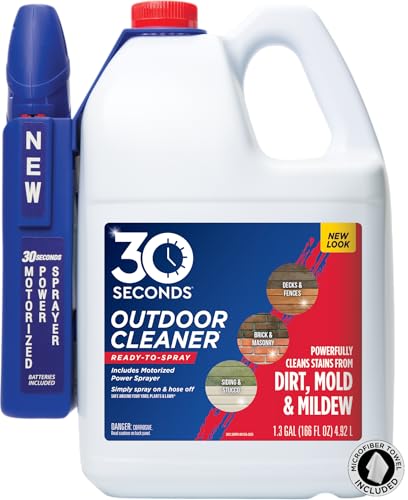
- Mold and mildew exterior cleaner for stucco


Before You Start
Inspect the area for cracks or damaged paint. Repair any defects before cleaning to prevent water intrusion. Work from the bottom up to control runoff and protect nearby plants. Wear eye protection, gloves, and a respirator if using chemical cleaners.
Time estimate: 2–6 hours depending on stain severity and surface area. Plan drying time of 24–48 hours before resealing or repainting.
Step-By-Step: How To Clean Stucco Stains
- Protect surrounding surfaces with plastic sheets or drop cloths; ensure doors and windows are closed to prevent chemical intrusion.
- Rinse the stucco with a garden hose to remove loose dirt and debris, avoiding high-pressure jets that can damage the texture.
- Prepare a mild cleaning solution using eco-friendly exterior stucco cleaning solution concentrate according to label directions.
- Apply the solution to stained areas with a spray bottle or the spray nozzle on the cleaner, allowing it to dwell for 5–10 minutes to loosen grime.
- Gently scrub stained areas with a stiff bristle scrub brush for exterior stucco cleaning in circular motions, focusing on embedded minerals or mildew.
- Rinse thoroughly with the garden hose, starting from the top and working downward to prevent streaks and runoff reuse.
- For persistent mold or mildew, apply the mold and mildew exterior cleaner for stucco, following label instructions, and scrub again if necessary.
- If stains persist after the initial treatment, use masonry cleaner stucco stain remover spray on affected spots and re-rinse completely.
- Once clean, allow the surface to dry completely, then assess whether a light reseal or repaint is needed to protect against future staining.
- Document any recurring stains and address underlying moisture or drainage issues to prevent future buildup.
- Optionally, progressively use a low-pressure rinse with mild detergent for maintenance cleaning every 6–12 months.
Troubleshooting
| Symptom | Likely Cause | Fix | Prevention |
|---|---|---|---|
| Stains return after cleaning | Moisture pooling or mildew growth | Treat with mold/mildew cleaner and improve drainage | Address leaks and ensure proper grading |
| Streaks or color fading | Uneven rinse or sun exposure | Rinse thoroughly from top to bottom; clean on cooler part of day | Clean in cooler, shaded windows when possible |
| Cracking after pressure washing | Excessive PSI or nozzle angle on brittle stucco | Reduce to low settings, use fan tip, test on hidden area | Use gentler methods for delicate sections |
| Soap residue or film left behind | Detergent overuse or improper rinsing | Rinse with plain water after cleaning | Follow label directions for dilution and rinse thoroughly |
Common Mistakes
- Avoiding pre-inspection of cracks which can worsen with moisture.
- Using high-pressure jets that damage stucco texture.
- Overusing concentrated cleaners without sufficient rinsing.
- Neglecting to protect surrounding plants and surfaces.
Taking time to prep and test cleaners on a small area can prevent costly damage and ensure uniform results across the entire surface.
Tips For Best Results
- Test cleaners on a hidden area to gauge colorfastness and texture response.
- Work in manageable sections to maintain consistent cleaning results.
- Use an extension wand on the pressure washer if necessary, keeping a safe distance from the surface.
- Choose an eco-friendly cleaner to minimize harsh chemical exposure for pets and landscaping.
- Schedule cleaning for after a rainfall absence to allow surfaces to dry properly.
Call A Professional
Consider professional help if stucco shows extensive cracking, loose material, or if stains persist after multiple cleaning attempts. Stop cleaning and contact a pro when you notice significant surface damage, suspicious moisture intrusion, or mold growth that covers large areas.
FAQ
Can I use a pressure washer to clean stucco stains?
Yes, but use low to moderate pressure and a wide-angle nozzle to avoid damage. Begin with a gentle spray and increase only if necessary.
What cleaners are safe for stucco?
Eco-friendly exterior stucco cleaning solution concentrates and masonry cleaner sprays are designed for stone or stucco and help prevent surface damage.
How often should stucco be cleaned to prevent stains?
Most homes benefit from cleaning every 1–2 years, or sooner if mildew or mineral stains are visible.
Is it normal for stucco to stain after rain?
Staining can occur from mineral deposits or algae growth; regular maintenance reduces the likelihood of permanent staining.
Can I repaint after cleaning?
Yes, but ensure the surface is completely dry and repair any cracks before painting for best adhesion.
Buying Guide
When selecting tools and cleaners for stucco care, consider how the product family aligns with your cleaning goals and local climate. Key buying factors include size and coverage, noise level, energy efficiency of any powering tools, controls for adjustable concentration, and placement considerations for storage and accessibility.
Size and Coverage
Choose a pressure washer with sufficient PSI and GPM to clean your surface without damage. Reserve wider-nozzle options for large surfaces and delicate textures.
Noise Level
Gas-powered units can be louder; electric models are typically quieter and better for residential use.
Cleaning Solutions
Select an eco-friendly exterior stucco cleaning solution concentrate if you prefer low-toxicity formulas. Masonry cleaner sprays are ideal for stubborn mineral stains.
Controls And Usability
Look for easy-to-read dilutions, adjustable spray patterns, and safe handling features such as trigger locks and ergonomic grips.
Placement And Storage
Store cleaners away from direct sunlight and frost. Keep brushes, nozzles, and hoses organized to reduce wear and tear.
Comparison Perspectives
Compare products by stain type (mildew, mineral deposits, general dirt), surface area to be cleaned, and whether the solution is ready-to-use or concentrate. For heavy mildew, a dedicated exterior cleaner for mold and mildew can be more effective than general cleaners.