Stainless steel pots are versatile kitchen workhorses, but they require proper cleaning to maintain their shine and performance. This guide offers clear steps, practical tools, and field-tested tips for removing stains, food residue, and water spots while preserving the metal’s luster.
Whether you’re dealing with everyday splatters or stubborn baked-on grime, following a consistent routine helps extend the life of your cookware and keeps meals tasting their best. The methods below use common household items and targeted tools from a dedicated care kit to deliver reliable results.
Quick Answer
Best method at a glance: Rinse, soak if needed, scrub with a non-scratch pad and stainless steel pot cleaning paste, then polish with a microfiber cloth. For tough spots, use a gentle abrasive paste and a stainless steel scrubber, then re-polish to restore shine.
What You’ll Need
Gather these tools and products to cover routine cleaning and tougher stains.
- Stainless steel pot cleaning scrubber or non-scratch scrub pad for stainless steel pots
- Stainless steel cookware cleaning paste for baked-on residue
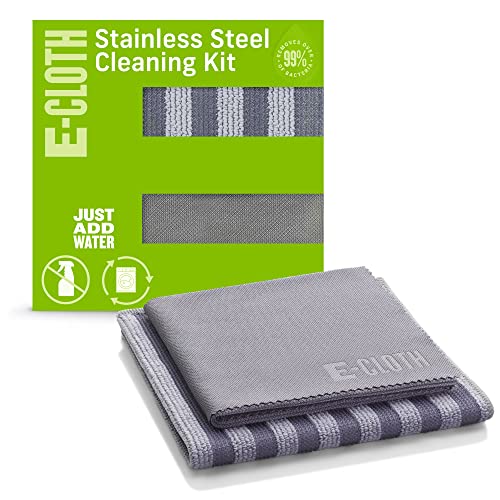
- Microfiber polishing cloth for stainless steel pots for a streak-free finish
- Stainless steel pot care kit includes brushes, pads, and polish options
- Dish soap and warm water
- White vinegar or lemon juice for mineral deposits


Before You Start
Prepare a clean workspace and protect surfaces around the sink. Allow hot pots to cool before cleaning to avoid warping. For safety, wear gloves if you have sensitive skin and keep cleaners out of reach of children. Time estimates vary: light cleaning about 5–10 minutes; deeper cleaning with soaking and paste can take 20–30 minutes.
Caution: Do not use pure bleach on stainless steel, and avoid metal utensils that can scratch polished finishes. Always test a hidden area if you’re unsure about a cleaner.
Step-By-Step: How To Clean Stainless Steel Pots
- Rinse the pot with warm water to remove loose food particles.
- Fill with warm water and a few drops of dish soap for light soiling; let soak for 10–15 minutes if there are stuck-on residues.
- Apply a small amount of stainless steel cookware cleaning paste to a non scratch scrub pad and scrub in a circular motion, focusing on stained areas. Do not press too hard to avoid scratching.
- For stubborn stains, reapply paste and let sit for 5–10 minutes before scrubbing again. Rinse and inspect.
- Use a stainless steel pot cleaning scrubber or scrub pad for exterior surfaces and rims to remove water spots without dulling the finish.
- Rinse thoroughly with warm water to remove all cleaners. Dry with a microfiber polishing cloth to prevent water spots and restore shine.
- If mineral deposits persist, wipe with a cloth dampened in diluted white vinegar, rinse, and dry completely.
- For color-tinted rainbow hues from heat, apply a light polish with the microfiber cloth after drying to even out the surface.
- Store the pot in a dry area. Regular cleaning after each use helps maintain a bright, streak-free surface.
- Schedule a deeper clean every few months using the care kit’s tools to maintain overall performance and optics.
- Keep handles and lids dry and stored safely to avoid corrosion and buildup.
- Repeat routine after heavy cooking or boiling acidic foods to prevent pitting and dullness.
Troubleshooting
| Symptom | Likely Cause | Fix | Prevention |
|---|---|---|---|
| Cloudy or rainbow tint | Heat discoloration or mineral buildup | Polish with microfiber cloth and, if needed, apply a light paste and buff | Dry promptly after washing; avoid overheating empty cookware |
| Stubborn oil film | Residual cooking oil | Rewash with warm soapy water, scrub with paste | Rinse thoroughly and dry after each use |
| Scratches on surface | Using abrasive tools over time | Switch to non-scratch scrub pads; discontinue metal scrubbers on polished areas | Use dedicated pads for different sections and gentle motions |
| Stains that return after washing | Hard water minerals | Wipe with vinegar solution, rinse, and dry | Dry cookware immediately after washing |
Common Mistakes
- Using steel wool or metal brushes on polished surfaces
- Letting pots soak in water with metal utensils inside
- Using bleach or highly acidic cleaners without dilution
- Skipping drying, which promotes water spots and corrosion risk
Awareness of these pitfalls helps sustain a bright, blemish-free finish and longer cookware life.
Tips For Best Results
- Always pre-rinse and pre-soak to reduce scrubbing effort.
- Keep a dedicated stainless steel pot care kit stocked with the right pads and paste for quick cleanup.
- Polish after each cleaning to maintain a protective luster and minimize spotting.
- When dealing with copper or aluminum bottoms, follow specific care guidelines to prevent cross-contamination and discoloration.
Call A Professional
Consider contacting a professional if the pot shows persistent deep pitting, severe corrosion, or if the surface finish has significantly deteriorated despite careful cleaning. Seek expert care for unusual discolorations that do not respond to standard cleaners or when restoration requires specialized tools.
FAQ
Can I use vinegar on stainless steel pots?
Yes, diluted white vinegar can remove mineral deposits and water spots, then rinse and dry thoroughly.
Is it safe to use abrasive cleaners on stainless steel?
Avoid harsh abrasive cleaners on polished finishes; use non-scratch scrub pads and mild paste for best results.
How often should I polish stainless steel pots?
Polish after cleaning to maintain shine, especially for frequently used cookware or exposed surfaces.
What is the best way to remove stubborn stains?
Apply a small amount of cookware cleaning paste to a non-scratch pad and gently scrub, then rinse and buff with a microfiber cloth.
Buying Guide
Choosing the right stainless steel pot care approach involves considering size, noise level of any built-in heating indicators, energy implications of cleaning routines, and placement for storage. Look for a stainless steel pot care kit that includes a variety of non-scratch pads, a mild polishing compound, and a microfiber cloth. For households with hard water, a paste that tackles mineral buildup is especially valuable. Evaluate whether a kit offers compatibility with multiple pot sizes and finishes, and consider ease of use for quick-clean routines. Balanced factors like effective cleaning power, ease of use, and gentle care help preserve the cookware’s original look and performance.