Dust can quickly become airborne during cleaning, spreading throughout a room rather than removing it. This guide explains practical, safe methods to capture and remove dust effectively in American homes, using common tools and approachable tips.
Quick Answer
Use static and microfiber tools to trap dust, not just move it around. Start with a microfiber dusting cloth, extendable duster for high surfaces, and a damp or electrostatic approach for stubborn particles. Pair with an air purifier to reduce airborne dust for faster, cleaner air.
What You’ll Need
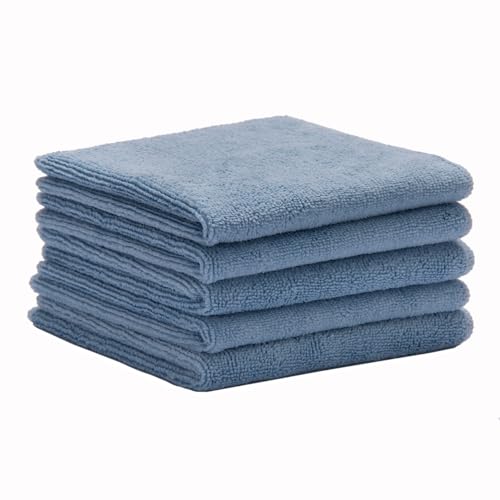
- microfiber dusting cloth 12×12 inches lint-free reusable
- extendable microfiber duster with swivel head long-reach
- electrostatic dusting wand for hard-to-reach surfaces
- static-free microfiber dusting mitt for electronics and keyboards
- HEPA air purifier for dust removal in bedroom or living room


Before You Start
Prepare a clean workspace and protect surfaces from moisture or scratches. Clear clutter from surfaces you plan to dust. Safety note: power off electronics before wiping, and avoid harsh chemicals that can damage finishes. Time estimates vary by room size, but plan 20–40 minutes for a typical living area to a thorough once-over. Consider running the HEPA air purifier a few minutes before and during cleaning to reduce settled dust.
Step-By-Step: How To Clean Dust Without Spreading It
- Begin with static-free microfiber dusting mitt to sweep keyboards and electronics, gliding gently to lift dust without dispersing it into the air.
- Use the extendable microfiber duster with swivel head to reach ceiling corners, fan blades, and high shelves. Angle the head to trap dust rather than kick it off surfaces.
- Wipe flat surfaces with a microfiber dusting cloth, applying slight pressure and a light, overlapping motion to collect dust into the cloth rather than pushing it aside.
- For hard-to-reach areas, electrostatic dusting wand can attract particles through static charge. Move slowly and consistently to maximize pickup.
- Fold or replace the microfiber cloth as it becomes loaded with dust to avoid redistribution. A clean section catches more dust in a single pass.
- Dust from top to bottom, finishing with floors. Avoid blowing air from a fan or vent directly at dust-prone zones to prevent redistribution.
- After finishing each room, run a quick pass with the HEPA air purifier to capture lingering particles and improve air quality.
- Return to touched surfaces and wipe smudges or fingerprints with a fresh portion of the static-free microfiber dusting mitt.
- Empty and launder microfiber cloths promptly after use to prevent re-attracting dust during storage.
- Inspect electronics and screens for dust buildup. Use gentle, circular motions with the mitt to avoid static cling and scratching.
- Do a final pass with the extendable duster to ensure ceiling corners and vents are clean and free of loose particles.
- Store tools in a dry, dust-free area to maintain their effectiveness between cleaning sessions.
Troubleshooting
| Symptom | Likely Cause | Fix | Prevention |
|---|---|---|---|
| Dust disperses during cleaning | Dry cloth or aggressive strokes | Use light, even pressure and a damp microfiber cloth if appropriate | Keep cloths clean and replace when loaded with dust |
| Cloths leave lint | Low-quality or overused fibers | Switch to lint-free microfiber; launder properly | Wash with mild detergent; avoid fabric softeners |
| Dust remains on electronics | Static cling or dirty mitt | Use static-free microfiber mitt; wipe gently | Regularly clean tools after use |
| Dust is detected after cleaning | Airflow moving settled dust | Run HEPA purifier during and after cleaning | Close doors to minimize new dust intrusion |
| All surfaces show streaks | Moisture too high on cloth | Use barely damp cloth or dry wipe back over | Wring cloth well before use |
Common Mistakes
- Using dry, fluffy cloths that push dust around rather than trapping it
- Over-wetting microfiber cloths on sensitive surfaces
- Cleaning in a single motion across a room instead of sections
- Forgetting to clean or replace worn-out dusting tools
- Neglecting to run an air purifier before and after cleaning
Tips For Best Results
- Dust top-down to prevent re-settling on lower surfaces
- Keep a dedicated microfiber cloth for electronics to minimize lint transfer
- Wash microfiber cloths separately from other fabrics to maintain lint-free performance
- Operate the HEPA purifier continuously for a period after deep cleaning
- Dust inside closets and cabinets to reduce hidden dust sources that re-enter living areas
Call A Professional
Consider professional help if the space has excessive dust due to ongoing air quality issues, ongoing allergies, or furnace or HVAC contamination. Stop and seek expert assessment if you notice persistent dust accumulation after routine cleaning, unusual odors, or if you suspect mold growth or pest activity.
FAQ
What is the best tool for daily dusting?
microfiber dusting cloth along with a static-free microfiber dusting mitt provides effective, low-dispersion cleaning for daily use.
How can I reduce dust in a bedroom long-term?
Pair regular dusting with a HEPA air purifier and frequent washing of bedding to minimize dust mite exposure.
Do I need to dampen the cloth?
A lightly damp microfiber cloth can capture more dust on many surfaces without spreading it, especially in kitchens and near electronics.
Is it okay to use microfiber tools on all surfaces?
Most surfaces are suitable, but test on delicate finishes first and avoid abrasive coatings or overly wet cloths on wood finishes.
Buying Guide
When choosing dust-cleaning tools and devices, consider how size, noise, and power interact with your living space. For small apartments, compact, extendable tools reduce clutter; for larger homes, a combination of tools and a HEPA purifier offers better coverage. Noise levels matter in bedrooms and nurseries, so look for low-noise settings on purifiers and quiet cleaning tools. Energy efficiency matters for devices that run during cleaning sessions, such as purifiers and motorized dusters. Controls should be intuitive, with simple on/off and speed adjustments. Placement matters too; store tools in a dry cabinet, keep HEPA purifiers near busy dust zones, and avoid placing purifiers behind curtains or furniture that block airflow. If you share spaces with allergy-sensitive individuals, prioritize tools that minimize particle dispersion and maximize capture efficiency.