Stainless steel adds a sleek look to kitchens, bathrooms, and appliances, but stains, fingerprints, and smudges can dull its shine. This guide provides practical, American-friendly steps to restore the luster using simple, consumer-safe products.
Quick Answer
For most stains, start with a gentle spray cleaner, wipe with a microfiber cloth, and buff to a mirror finish. For tougher marks, use a mild abrasive cleaner with a non-scratch pad, then buff again with a microfiber cloth. Always wipe in the direction of the grain when possible.
What You’ll Need
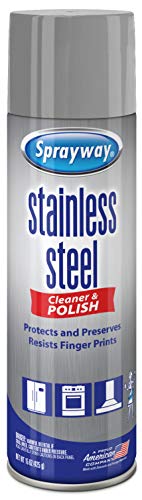
- Stainless steel cleaner spray non abrasive formula 24 oz
- Non scratch stainless steel scrub pad nylon bristles 3 pack
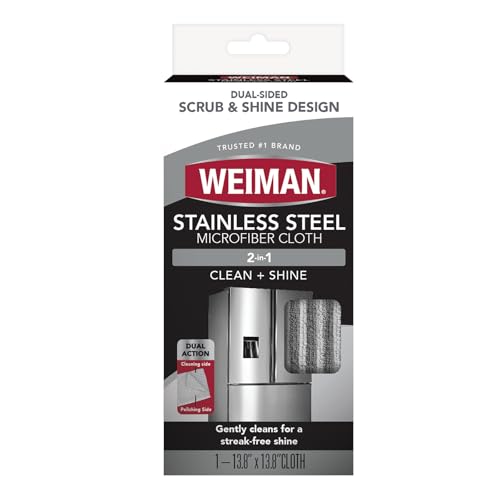
- Microfiber polishing cloth for stainless steel 12×12 inches
- Stainless steel cleaning paste mild abrasive Bar Keepers Friend 12 oz
- Stainless steel wipe microfiber cleaning cloths kit

Before You Start
Prepare a clean workspace and ensure the area is dry before applying cleaners. Avoid bleach, chlorine, or ammonia-based cleaners, which can damage protective coatings. Test any new product on a small, inconspicuous area first. Allow surfaces to acclimate to room temperature to prevent streaking.
Time estimate: 15–40 minutes depending on stain severity. For kitchen appliances, unplug or power down before cleaning to ensure safety.
Step-By-Step: How To Clean Stained Stainless Steel
- Remove loose debris from the surface with a dry microfiber cloth.
- Apply a light spray of stainless steel cleaner spray non abrasive formula onto the cloth, not directly onto the surface.
- Wipe with the grain in smooth, overlapping motions to lift grime and fingerprints.
- For persistent smudges, apply a small amount of stainless steel cleaning paste mild abrasive to a non-scratch pad and gently scour in the direction of the grain.
- Rinse a clean microfiber cloth with water and wipe away any paste residue completely.
- Dry the surface with a fresh microfiber cloth to prevent water spots.
- Buff the area with a dry microfiber polishing cloth to restore shine.
- For towel-friendly wear or high-traffic areas, repeat steps as needed, focusing on problem zones like sinks, handles, and appliances.
- If streaks appear, reaffirm with a light spray and a final buff using the microfiber cloths kit.
- Store cleaning tools in a designated area to maintain cleanliness and readiness for next use.
- Optional maintenance: periodically use Bar Keepers Friend with the non-scratch pad for heavy staining on durable surfaces, then buff thoroughly.
Troubleshooting
| Symptom | Likely Cause | Fix | Prevention |
|---|---|---|---|
| Streaks after cleaning | Drying too slowly or using old cloth | Buff with a clean microfiber cloth; ensure the cloth is fresh | Wipe in the grain; use a lint-free cloth |
| Persistent water spots | Hard water minerals | Wipe with a damp cloth and buff dry; apply a light pass of cleaner | Dry surfaces after use; consider a water-repellent polish |
| Scratch marks from pad | Using a coarse pad on soft finishes | Switch to a non-scratch pad and gentle pressure | Avoid abrasive tools on sensitive areas |
| Stains return quickly | Grease buildup or fingerprints | Clean more frequently with routine spray cleaner | Wipe high-touch areas daily |
Common Mistakes
- Using abrasive or ammonia-based products on delicate stainless steel finishes
- Applying cleaners directly to surfaces instead of onto a cloth
- Over-wiping in circular motions that can create swirl marks
- Skipping drying steps, which leads to streaks or water spots
Awareness of these pitfalls helps preserve the finish and extend the life of stainless steel surfaces.
Tips For Best Results
- Test cleaners on a hidden area before full application to avoid discoloration.
- Always wipe in the direction of the grain when possible to minimize scratches.
- Use microfiber cloths for superior pick-up of oils and residues without scratching.
- Match the cleaner type to stain type: spray cleaners for routine grime, mild abrasives for stubborn marks.
- If you notice dullness after cleaning, finish with a light buff using a dedicated polishing cloth.
Call A Professional
Seek professional help if stains persist after multiple cleaning attempts or if the surface shows deep pitting, discoloration, or coated finishes that appear damaged. Stop further DIY attempts when you observe peeling, bubbling, or corrosion around seams and hardware.
FAQ
Can I use vinegar on stainless steel?
Vinegar is generally safe in small amounts, but prolonged exposure or high concentrations can dull the finish. Test first and dilute when in doubt.
Should I remove fingerprints daily?
Regular light cleaning reduces buildup; a quick wipe with a microfiber cloth keeps surfaces looking polished.
Is Bar Keepers Friend safe for all stainless steel?
Yes, when used as directed and rinsed thoroughly, it can help with stubborn stains, but avoid prolonged contact on non-durable coatings.
What’s the best way to prevent streaks?
Dry surfaces promptly after cleaning and use a polishing cloth for a final buff in the grain direction.
Are there eco-friendly options?
Yes. Look for plant-based or low-VOC cleaners and reusable microfiber cloths to minimize waste while maintaining effectiveness.
Buying Guide
Choosing the right tools and cleaners for stainless steel depends on the size of the area, stain severity, and maintenance preferences. Key factors include size, noise level, energy efficiency, controls, and placement considerations.
Size: For large appliances or kitchen countertops, a larger spray bottle and a pack of microfiber cloths offer better coverage. For small touch-ups, keep a portable spray and cloth kit handy.
Noise level: Cleaning pads and cloths operate silently, while scrubbing pads may produce light sounds; choose systems that minimize disruption in living spaces.
Energy efficiency and placement are less about the cleaning products themselves but relate to where you clean. Use soft lighting and stable, well-ventilated spaces to avoid accidents and ensure complete drying.
Controls: Simple spray-on cleaners with microfiber cloths are easiest for most users. For tougher stains, a mild abrasive paste used with a non-scratch pad is effective but should be applied with care.
Placement considerations: Keep cleaners out of reach of children and pets. Store supplies in a designated cabinet or bin, with the microfiber cloths separate from the cleaning paste to prevent accidental contamination.
Overall, pairing a non-abrasive stainless steel cleaner with a microfiber cloth for routine maintenance and reserving a mild abrasive paste for occasional heavy staining provides a balanced, practical approach for most American homes.