Wood shelves add warmth and style to any room, but they require careful cleaning to preserve their finish. This guide focuses on practical, risk-free methods using common supplies, so American homeowners can refresh wood shelves without damage.
Quick Answer
Spot-clean with a soft brush or microfiber cloth, then mists of a gentle cleaner and a clean, dry microfiber cloth to wipe away residue. For stubborn grime, use a soft bristle brush with light pressure, followed by a tack cloth to pick up remaining dust. Finish with a wood furniture cleaner spray for shelves as needed, and always test on a hidden area first.
What You’ll Need
Before you begin, gather these tools. The list prioritizes items designed for wood and safe finishes:
- Wood furniture cleaner spray for shelves
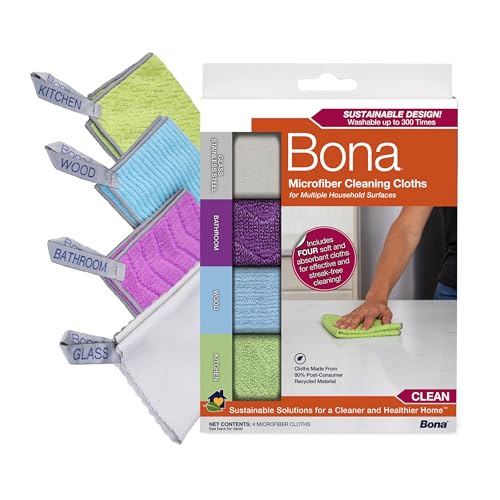
- Microfiber cloths for wood furniture cleaning
- Soft bristle brush for wood shelf cleaning
- Tack cloth for dusting wood shelves
- Spray bottle misting bottle for cleaning solutions


Before You Start
Prepare the area by removing items from the shelves and laying a drop cloth or old towels to catch drips. Work in a well-ventilated room. If your shelves have a delicate finish or antique appearance, test any cleaner on an inconspicuous spot first to avoid discoloration. Avoid soaking wood or using harsh ammonia-based cleaners, which can strip protective coatings. Estimate 20–40 minutes for a standard cleaning, depending on shelf depth and clutter.
Step-By-Step: How To Clean Wood Shelves
- Remove all items and dust the surface with a tack cloth for dusting wood shelves to lift loose debris.
- Wipe corners and edges with a microfiber cloths for wood furniture cleaning, turning the cloth as it picks up dust.
- Mix a light solution in a spray bottle misting bottle for cleaning solutions—a small amount of cleaner with water is sufficient for most finishes.
- Lightly mist the shelf surface or apply cleaner directly to the microfiber cloth—never saturate the wood.
- Wipe in the direction of the grain using smooth, even strokes. For ridges, use the soft bristle brush for wood shelf cleaning with minimal pressure.
- For sticky spots, let the cleaner sit briefly, then rewipe with a clean microfiber cloth.
- Dry the surface with a fresh microfiber cloth to remove any remaining moisture.
- If buildup persists, repeat in small sections rather than over-wetting the wood.
- Apply a quick, mild dusting with the tack cloth to pick up any residual particles after cleaning.
- Return items to the shelves and wipe them down as you arrange to prevent new dust from settling.
- Optional: Periodically use the wood furniture cleaner spray for shelves for a deeper clean and to refresh the finish.
- Store cleaning tools in a dry location and replace worn cloths to maintain effectiveness over time.
Troubleshooting
| Symptom | Likely Cause | Fix | Prevention |
|---|---|---|---|
| White residue after cleaning | Over-application of cleaner | Wipe with a dry microfiber cloth until residue is gone | Use a damp cloth only; test on a hidden area first |
| Cloudy or streaky finish | Cleaner not diluted correctly | Dilute cleaner slightly more or switch to a gentle spray | Use streak-free cloths and wipe in the grain |
| Wood feels sticky | Excess cleaner or moisture | Dry thoroughly with a second dry cloth | Avoid saturating wood; work in small sections |
| Finish appears dull over time | Infrequent cleaning or heavy buildup | Follow with a light, periodic cleaner spray | Schedule routine dusting and cleaning |
Common Mistakes
- Using household cleaners with alcohol or ammonia on wood surfaces.
- Over-saturating shelves with liquid cleaners.
- Using coarse brushes that scratch the finish.
- Neglecting to dry surfaces after cleaning, which can lead to warping.
Tips For Best Results
- Always test any cleaner on a hidden spot first.
- Dust regularly with a tack cloth to minimize deep cleaning needs.
- Use a light touch with a soft-bristle brush for stubborn grime near trim.
- Keep cleaning solutions in a labeled bottle to avoid accidental misuse on other surfaces.
Call A Professional
Consider professional help if shelves are heavily damaged, warped, or have finishes that require refinishing. Stop and contact a pro if you notice peeling veneer, deep scratches, or persistent staining that cleaning cannot remove. Seek assistance promptly to protect structural integrity and finish.
FAQ
Is it safe to use water on wood shelves?
Yes, but use it sparingly in a lightly diluted cleaner and dry the surface promptly to prevent water damage.
Can I use vinegar to clean wood shelves?
Vinegar can be used in small amounts with a mild solution, but test first to ensure compatibility with the finish.
How often should wood shelves be cleaned?
Light dusting weekly and a deeper clean every 1–3 months, depending on usage and environment.
What’s the best way to remove dust from corners?
Use a tack cloth to lift dust from tight corners and edges after wiping the surface.
Should I wax or oil wood shelves?
Only if the manufacturer recommends it; otherwise, use a dedicated wood furniture cleaner designed for shelves.
What if the shelf finish is matte or satin?
Choose a mild cleaner and microfiber cloth to preserve the finish without adding shine.
How do I prevent future grime buildup?
Dust regularly, avoid placing damp items directly on wood, and use protective felt pads on items stored on shelves.
Buying Guide
Choosing cleaning products and gear for wood shelves requires balancing effectiveness with finish protection. Consider product compatibility with your shelf type—maple, oak, cherry, or stained finishes may react differently to cleaners. Look for pH-balanced formulas labeled safe for wood to minimize finish wear. Size and capacity matter if you clean multiple rooms; smaller spray bottles are convenient for quick touch-ups, while larger bottles suit regular deep cleaning.
Key factors to compare include size (refillable bottles versus single-use), noise level (for spray bottles with adjustable nozzles), energy efficiency (not typically applicable to manual tools, but relevant for powered options like electric dusters), controls (spray vs. stream settings), and placement (easy reach under sinks or in cabinets). Consider a simple kit that includes a wood furniture cleaner spray for shelves, microfiber cloths, a soft bristle brush, and a tack cloth to cover routine cleaning needs.
For households with sensitive finishes or mixed materials, choose products labeled safe for wood and always follow manufacturer instructions. A compact, dedicated cleaning kit can streamline maintenance and extend the life of wood shelves.