Spider droppings can carry bacteria and leave stains if not addressed promptly. This guide provides practical, safe steps for removing spider poop from common surfaces around the home, using consumer-friendly tools available in the United States. The approach emphasizes hygiene, proper cleaning agents, and surface care to prevent damage.
Quick Answer
What You’ll Need
- HEPA vacuum cleaner with crevice tool for spider droppings
- enzyme cleaner for organic stains spider droppings
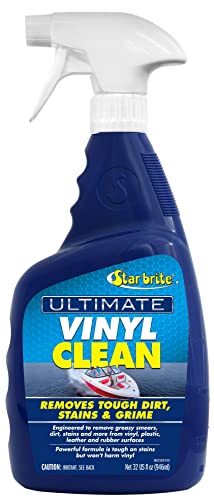
- multi-surface cleaner spray for spider poop
- microfiber cleaning cloths for delicate surfaces spider droppings
- disposable cleaning wipes for organic stains spider droppings


Before You Start
Before cleaning, ensure good ventilation and protect yourself from bacteria-driven residues. Wear disposable gloves and a mask if you are cleaning areas with high contamination or porous materials. Check surface types to avoid damage from cleaners; test on a hidden spot first. Surface prep takes about 10–15 minutes, while the full cleanup may take 20–40 minutes depending on the area.
Cautions: Do not mix cleaning agents with bleach or ammonia-based products, as this can release harmful fumes. If you have wildlife-sensitive surfaces or allergies, consider using gentler cleaners and disposable wipes for quick removal.
Step-By-Step: How To Clean Spider Poop Safely And Effectively
- Ventilate the area and lay down protective coverings if cleaning in shared or high-traffic zones.
- Put on disposable gloves and a mask to minimize exposure to dust and bacteria.
- Use the HEPA vacuum cleaner with crevice tool for spider droppings to gently remove loose particles from cracks, corners, and edges without spreading dust.
- Hold the vacuum nozzle just above the surface and work in steady, vertical strokes to prevent pushing debris into the environment.
- Apply enzyme cleaner for organic stains spider droppings to the affected spots. Enzymes break down organic matter, reducing odor and staining.
- Let the enzyme cleaner sit for the product’s recommended dwell time, usually a few minutes, to maximize stain breakdown.
- Wipe away the loosened material using microfiber cleaning cloths for delicate surfaces spider droppings or disposable wipes. Use a gentle, circular motion to lift stains without abrading surfaces.
- Spot-treat stubborn areas with multi-surface cleaner spray for spider poop, then wipe again with a clean microfiber cloth.
- Rinse or wipe dry if the surface requires no residue, ensuring there is no slick film left behind on floors or countertops.
- Inspect the cleaned area for remaining traces. Repeat the enzyme cleaner treatment if necessary for persistent stains.
- Dispose of used wipes and gloves in a sealed trash bag, and wash hands thoroughly after cleanup.
- For areas prone to recurring spider activity, consider routine inspections and a periodic deep clean to maintain hygiene.
Troubleshooting
| Symptom | Likely Cause | Fix | Prevention |
|---|---|---|---|
| Stains remain after cleaning | Enzymatic cleaner did not dwell long enough | Reapply enzyme cleaner, wait the recommended time, re-clean | Pre-treat suspected spots during routine cleaning |
| Residual odor | Organic matter not fully broken down | Reapply enzyme cleaner or use a fresh wipe and clean surface | Ensure ventilation during treatment |
| Surface damage or discoloration | Cleaner too harsh for the material | Switch to a gentler, surface-appropriate product | Test cleaners on hidden area first |
| Debris spreads when cleaning | Dry wiping without containment | Use disposable wipes or vacuum with attachment | Contain debris and wear a mask |
| Recurrent spider droppings | Active spider activity nearby | Address entry points and seal. Consider professional pest control | Seal cracks, remove webs, reduce food sources |
Common Mistakes
- Using bleach on porous surfaces can cause discoloration and damage.
- Scrubbing aggressively can smear stains and spread bacteria.
- Skipping ventilation can lead to inhalation of cleaning fumes.
- Relying on a single cleaner for all stains; organic residues often need enzymatic treatment.
Tips For Best Results
- Work from top to bottom to prevent re-soiling while cleaning higher surfaces.
- Keep a small kit stocked with the listed products for quick response after spotting droppings.
- Use microfibers to capture fine particles rather than pushing them around.
- Label areas that require ongoing attention to track cleaning history.
- Regularly inspect corners, shelves, and windowsills where droppings commonly accumulate.
Call A Professional
Seek professional help if droppings cover large wall areas, ceiling spaces, or porous materials like unfinished wood and fabric. Signs to call a pro include persistent odors, extensive staining, or visible infestation that you cannot manage safely on your own. If you experience allergic reactions, respiratory irritation, or are cleaning near electrical outlets, pause and consult a certified technician or pest control expert.
FAQ
Is it safe to use enzyme cleaners around pets and children?
Yes, when used as directed and allowed to dry, enzyme cleaners are generally safe around pets and kids, but always follow label instructions and keep the area ventilated.
Can I use household bleach to remove spider droppings?
Bleach can damage certain surfaces and release harmful fumes when mixed with other cleaners. Prefer enzyme cleaners or multi-surface cleaners compatible with the material being cleaned.
How long should I wait after applying cleaner before wiping?
Most enzyme cleaners require a brief dwell time, typically a few minutes, to break down organic matter before wiping away.
What surfaces are most vulnerable to spider droppings?
Porous surfaces like untreated wood, fabric, and drywall are more susceptible to staining and odor retention; nonporous surfaces are easier to clean.
How often should I inspect for spider droppings?
For high-traffic homes, a monthly light inspection helps; in areas with known spider activity, weekly checks during peak seasons are prudent.
Are there tips for preventing spider droppings buildup?
Seal cracks, reduce insect prey, clean regularly, and use HEPA-filtered vacuums to minimize dust and droppings accumulation.
When should I escalate to pest control?
If droppings reappear quickly after cleaning or you notice webs and live spiders in multiple spaces, contact a licensed pest-control professional.
Buying Guide
Choosing the right gear for cleaning spider droppings combines effectiveness with safety. Consumers should consider size and portability, noise levels, energy efficiency, and control features. A compact HEPA vacuum with a narrow crevice attachment excels for corners and tight spots, while an enzyme cleaner provides robust stain breakdown without harsh chemicals. A multi-surface cleaner spray offers versatility for many surfaces, and microfiber cloths protect delicate finishes. Disposable wipes are convenient for quick, hygienic cleanup in kitchens and bathrooms. When selecting products, evaluate compatibility with common household surfaces like tile, glass, painted walls, and wood finishes. For ongoing needs, a small, organized kit ensures quick response to future droppings. Would you benefit from a modular kit that combines all the listed products for one tidy cleaning solution? Consider storage space, ease of use, and how often you expect to encounter spider activity to guide your purchase decisions.