Slime incidents happen, especially with kids, and treating slime on fabrics can be tricky. This guide walks through practical, step-by-step methods to remove slime from clothing and other fabrics using commonly available stain removers and household supplies. Readers will learn how to act quickly, choose the right products, and prevent future stains.
Quick Answer
Act fast to prevent slime from setting. Blot excess slime, rinse with cold water, then apply a targeted stain remover designed for slime and fabric. Launder as usual and air-dry to finish. For tough stains, repeat with enzyme or baking soda-based treatments before washing.
What You’ll Need
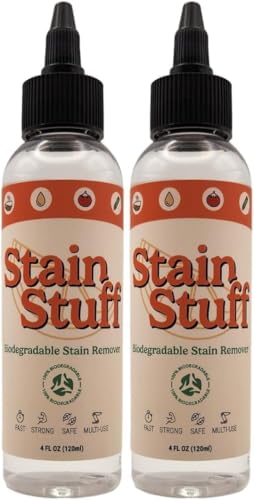
- Slime stain remover for fabric clothes
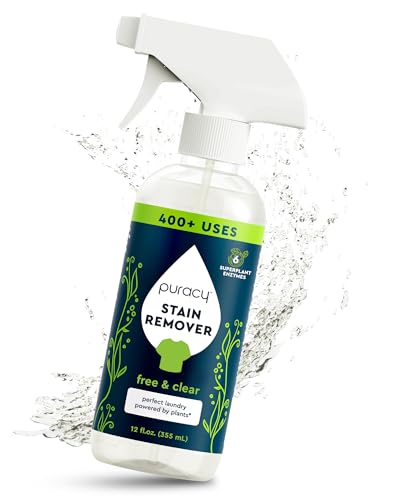
- Fabric stain remover spray slime on clothing
- Enzyme laundry stain remover slime fabric
- Prewash slime stain treatment for fabrics
- Baking soda slime stain remover for fabric

Before You Start
Before treating slime on fabric, check the care label for any fabric-specific instructions. Test any stain remover on a hidden area to ensure colorfastness. Avoid heat until the stain is fully gone, as heat can set slime and odors. Prepare a clean workspace and have towels ready to blot moisture. Time estimate: 15–30 minutes for initial treatment; up to 2 wash cycles for stubborn stains.
Step-By-Step: How To Remove Slime From Fabric
- Gently lift excess slime with a spoon or dull edge, working away from the fabric fibers.
- Rinse the stained area under cold running water from the backside to push slime out of the fibers.
- Blot with a clean cloth to remove surface moisture; avoid rubbing that can embed slime deeper.
- Apply a slime stain remover for fabric clothes or a targeted enzyme stain remover to dissolve organic residue.
- Let the product sit for 5–10 minutes, then re-rinse with cold water to flush away loosened material.
- If the stain persists, dab with a prewash slime stain treatment for fabrics and sprinkle a small amount of baking soda slime stain remover for fabric on the area to neutralize odor and lift residue.
- Wash the garment according to its care label in the warmest water safe for the fabric with an appropriate detergent.
- Check the stain before drying. If any slime remains, repeat treatment; avoid drying, which can set remaining stains.
Troubleshooting
| Symptom | Likely Cause | Fix | Prevention |
|---|---|---|---|
| Stain remains after washing | Residue baked into fibers | Repeat with enzyme-based remover and rinse thoroughly | Pre-treat promptly |
| Fabric color fading | Harsh cleaners on delicate fabric | Switch to milder prewash treatment and test on hidden seam | Always test first |
| Sticky residue | Slime contains glycerin or glue-like components | Use baking soda treatment to neutralize and scrub gently | Avoid aggressive scrubbing |
| Odor remains | Organic material trapped in fibers | Air-dry after washing and re-treat if needed | Rinse thoroughly and treat promptly |
Common Mistakes
- Rubbing slime into the fabric instead of blotting or lifting it.
- Using hot water or heat too soon, which can set the stain.
- Skipping a test on a hidden area of the fabric before applying cleaners.
- Ignoring care label directions, risking fabric damage.
Tips For Best Results
- Work from the outside of the stain toward the center to prevent spreading.
- Choose a stain remover that matches the fabric type and stain composition.
- For delicate fabrics (silk, wool), consider professional cleaner options or spot-cleaning with a mild detergent solution.
- After the stain is removed, launder as directed and air-dry to confirm success.
- Store slime-safe clothing separately to avoid cross-contamination with other fabrics.
Call A Professional
If the fabric is silk, leather, or has sequin embellishments, or if the stain covers a large area and the item is valuable, stop experiments and consult a professional cleaner. Seek help if the dye stain or color loss is evident after initial treatment, or if there are persistent odors that won’t fade with washing.
FAQ
Can slime stains be removed from all fabrics?
Most common fabrics respond to enzyme-based stain removers and prewash treatments, but delicate or specialty fabrics may require professional care.
Is it better to use baking soda or enzyme removers first?
Enzyme removers are typically effective on organic slime components; baking soda can help with odor and residue after initial removal.
Should I heat-dry clothes after slime treatment?
No. Heat can set remaining slime and odors, so air-dry and re-treat if needed before using a dryer.
What if the slime puffs up or expands during treatment?
Gently blot and re-rinse; avoid vigorous scrubbing which can widen the stain. Reapply the appropriate cleaner and repeat the process.
Buying Guide
When selecting products to remove slime from fabric, consider several factors to optimize results and protect fabrics:
- Size and packaging: Choose bottles sized for regular household use, with clear dosing instructions for spot treatment.
- Effectiveness: Look for enzyme-based formulas or slime-specific stain removers that target organic residues and odors.
- Fabric compatibility: Check labels to ensure the product is safe for cotton, polyester, blends, and delicate fabrics.
- Application method: Spray vs. gel vs. stick formulas—preference often hinges on stain location and fabric type.
- Odor control: Products offering odor-neutralizing properties can help with slime smells after removal.
- Environmental impact: Consider eco-friendly formulations and refill options if available.
- Household fit: A single kit with multiple prewash and enzyme components provides versatility across stains.
For most households, starting with an enzyme laundry stain remover or a slime-specific stain remover for fabric clothes provides robust results. If dealing with delicate fabrics or unusual stains, a combination of prewash treatment and baking soda can improve outcomes. Always follow the care label instructions and perform a small test first to protect fabric integrity.