Silver rings with stones are a lovely accent, but routine cleaning can be tricky to protect the stones and metal. This guide walks through safe, at-home methods using commonly available tools to restore shine without risking damage.
Readers will find a practical, step-by-step approach that emphasizes gentle cleaning, proper materials, and common-sense precautions to keep silver rings with gemstones looking their best.
Quick Answer
For most silver rings with stones, use a soft brush and a mild cleaning solution designed for gemstones, dry thoroughly, and finish with a soft polishing cloth. Avoid harsh chemicals and ultrasonic cleaning on porous or fragile stones unless you verify compatibility.
What You’ll Need
- Silver ring cleaning kit with stones safe for gemstones
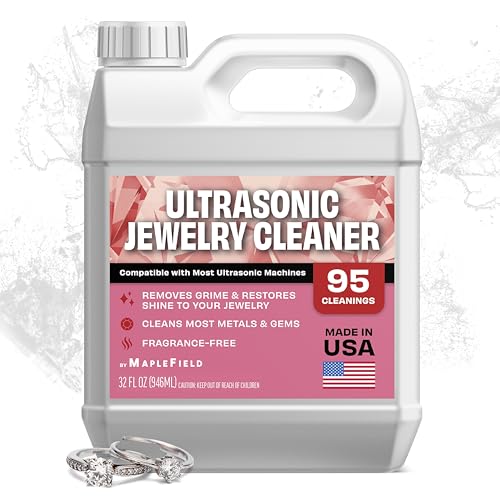
- Ultrasonic jewelry cleaner for silver rings and gemstones
- Silver jewelry cleaning solution safe for gemstones
- Jewelry polishing cloth silver rings with stones
- Delicate ring cleaning brush for silver jewelry with gemstones


Before You Start
Before cleaning, inspect the setting and stones for looseness or damage. If any prong loosening, cracks, or obvious wear is present, stop and consult a professional. Work on a soft, clean surface to prevent scratches. Time estimate: 10–30 minutes per cleaning session, depending on the level of tarnish.
Cautions: Do not use abrasive cleaners, household bleach, or ammonia-based products on stones that are porous or delicate. Avoid ultrasonic cleaning if the stone is soft, porous, or glued rather than set, and never use heat on certain stones that can be heat-sensitive.
Step-By-Step: How To Clean Silver Rings With Stones At Home
- Gather all tools and place the ring on a soft mat to prevent slips during cleaning.
- Rinse the ring under lukewarm water to remove surface dust before applying cleaners.
- Dip a delicate ring cleaning brush into a mild silver-cleaning solution safe for gemstones and gently scrub the metal, avoiding direct scrubbing on stones whenever possible.
- Lightly brush around the settings to remove grime from under prongs without applying excessive pressure.
- If using a polishing cloth, buff the exposed silver surfaces with smooth, circular motions until the metal shines, then avoid rubbing the stones aggressively.
- For tougher tarnish on the metal, soak briefly according to the cleaner’s instructions, then re-scrub gently with the brush.
- Rinse thoroughly with clean lukewarm water to remove any cleaning residue from the metal and stones.
- Pat dry with a soft lint-free cloth, ensuring no moisture remains around the prongs or settings.
- Inspect the ring for any remaining tarnish and repeat only if necessary, taking care not to over-clean which can dull the metal over time.
- Seal the finish by lightly buffing with a polishing cloth, paying attention to the overall balance of shine between metal and stones.
- Store the cleaned ring in a dry, tarnish-resistant pouch or compartment to minimize future exposure to moisture.
- Record cleaning frequency based on wear and exposure to chemicals or saltwater to sustain the ring’s appearance.
Troubleshooting
| Symptom | Likely Cause | Fix | Prevention |
|---|---|---|---|
| Stone looks cloudy after cleaning | Residue from cleaner | Rinse thoroughly and re-polish with a clean cloth | Use a dedicated gemstone-safe cleaner |
| Metal dulls after cleaning | Over-polishing or harsh chemicals | Switch to a gentler solution and light buffing | Avoid aggressive scrubbing |
| Prongs or setting looks loose | Wear and aging | Do not attempt to tighten; seek jeweler | Periodic professional checks |
| Stone discolored or damaged | Incompatible cleaner | Discontinue and consult a professional | Use gemstone-safe products only |
Common Mistakes
- Using household cleaners with ammonia or bleach on gemstones
- Soaking rings too long or using hot water on delicate stones
- Scrubbing stones directly with stiff brushes
- Rubbing too aggressively around settings, risking prongs
- Skipping thorough drying, which promotes tarnish or mineral deposits
Tips For Best Results
- Test a small, inconspicuous area first when using any cleaner
- Choose a cleaning method based on stone type (e.g., diamonds, sapphires vs. soft stones)
- Use a dedicated polishing cloth to avoid cross-contamination with other metals
- Schedule routine cleanings to prevent heavy build-up
- Store jewelry away from humidity pockets and direct sunlight to prolong sparkle
Call A Professional
Seek professional help if you notice loose settings, cracks in stones, or discoloration that persists after cleaning. Stop using ultrasonic cleaners on fragile or porous stones and prong settings that appear compromised. When in doubt about stone safety or metal integrity, contacting a jeweler is the prudent choice.
FAQ
Can I use an ultrasonic cleaner on all gemstone rings?
Ultrasonic cleaners are not suitable for all gemstones. Porous or glued stones, soft crystals, and certain settings may be damaged. Always verify stone compatibility before use.
What cleaning method is safest for silver rings with stones?
A gentle gemstone-safe cleaning solution with a soft brush and careful drying is generally the safest approach.
How often should I clean silver rings with stones?
Clean as needed based on wear, exposure to chemicals, and tarnish. Regular light cleaning prevents heavy buildup.
What should I do if a stone becomes loose during cleaning?
Stop cleaning and take the ring to a professional jeweler to secure the setting.
Are polishing cloths safe for gemstone settings?
Yes, when used lightly and on metal surfaces; avoid direct contact with stone surfaces that could be scratched.
Is warm water better than cold for cleaning?
Warm water is generally effective, but avoid high temperatures on delicate stones that may be heat-sensitive.
Can cleaning solutions damage the metal over time?
Repeated exposure to harsh cleaners can tarnish or dull metal; use mild, gemstone-safe formulations.
Buying Guide
When choosing silver jewelry cleaning products and gear for rings with stones, consider size, noise level, energy efficiency, controls, and placement needs. A suitable kit should include a gemstone-safe cleaning solution, a soft brush, and a polishing cloth. For heavy tarnish or complex settings, an ultrasonic cleaner can be useful, but confirm gemstone compatibility first. Consider a compact, non-slip setup for easy home use and storage. Compare factors like cleaning speed, effectiveness on metal versus stone, and ease of use to pick the best option for routine care.