Cleaning a shower can be time consuming, but using the right tools can minimize scrubbing. This guide shows practical methods and gear that automate or simplify the process while keeping grout, tiles, glass, and metal finishes looking fresh.
By leveraging electric scrubbers, steam cleaners, and extendable wands, homeowners can lift soap scum and mineral deposits with less elbow grease. The approach below prioritizes safe usage, compatibility with common shower materials, and easy maintenance.
Quick Answer
Use a combination of an electric shower scrubber or robotic cleaning brush for routine grime, then apply a steam cleaner for stubborn areas. An extendable wand with a squeegee and interchangeable heads offers a hands-off rinse and wipe. Schedule regular sessions to avoid heavy scrubbing sessions.
What You’ll Need
- Electric shower scrubber rotating brush
- Handheld steam cleaner for bathroom shower tiles
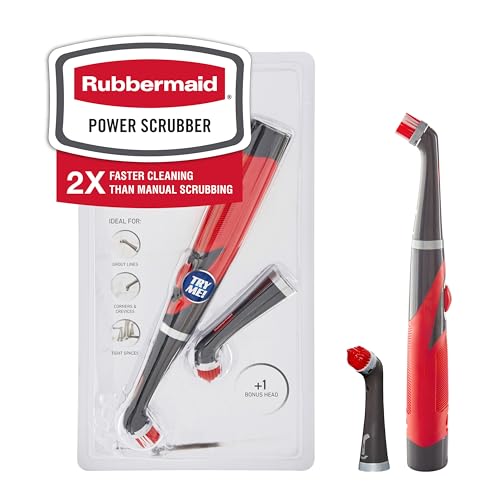
- Powered grout cleaner for showers with interchangeable heads
- Extendable shower cleaning wand with squeegee
- Robotic shower cleaning brush


Before You Start
Evaluate your shower surface: porcelain, ceramic tile, or glass doors respond differently to cleaners and heat. Test any cleaner on a small, hidden area first to avoid dulling finishes. Move loose items aside, remove laundry baskets, and ventilate the bathroom. Allow surfaces to dry after each step to prevent new soap scum from forming quickly. Wear gloves and eye protection when using steam cleaners or chemical cleaners.
Time estimates vary with tools: a quick wipe-down with a wand and squeegee can take 10–20 minutes, while a steam-assisted treatment may take 15–25 minutes including cooldown. Plan for longer sessions if grout is heavily stained.
Step-By-Step: How To Clean A Shower Without Scrubbing
- Prepare the shower by removing bath mats and a few items from glass walls to prevent obstruction during cleaning.
- Fill a spray bottle with a gentle cleaning solution suitable for bathroom tiles and grout, or use a ready-to-use spray designed for mineral deposits and soap scum.
- Activate the handheld steam cleaner and lightly mist shower surfaces, focusing on grout lines and glass doors for 3–5 minutes per section to loosen buildup.
- Use the electric shower scrubber rotating brush on the tiles, grout, and shower niches. Choose a softer brush head for delicate surfaces and a stiffer head for mineral stains.
- Switch to the powered grout cleaner with interchangeable heads for stubborn grout lines. Select a narrow head to reach tight gaps and work along the grout with steady, even pressure.
- Run the extendable shower cleaning wand with squeegee over the glass doors and walls to wipe away loosened residue and prevent water spots.
- Rinse surfaces with clean water using the wand or a detachable shower hose. A final pass with the squeegee helps remove remaining droplets for streak-free glass.
- Wipe dry larger surfaces with a microfiber cloth to remove remaining moisture and prevent new soap scum from adhering as the shower air dries.
- Inspect for remaining spots. Reapply steam or cleaner to areas with persistent buildup, and repeat the relevant step as needed.
- Let surfaces air-dry completely. Return mats and accessories only after surfaces are totally dry.
- Store cleaning tools in a dry, ventilated area to prevent mold or mildew growth on tool heads.
Troubleshooting
| Symptom | Likely Cause | Fix | Prevention |
|---|---|---|---|
| Streaks on glass after cleaning | Water spots or mineral deposits | Finish with a microfiber dry wipe or use a glass-specific cleaner | Wipe while surfaces are still slightly damp, then dry |
| Grout remains discolored | Deep staining or mold | Apply steam to grout lines, then scrub with grout cleaner head | Regularly schedule quick cleanings |
| Brush head becomes clogged | Soap scum buildup on bristles | Rinse brush immediately after use; clean bristles with water and mild soap | Rinse and dry after every session |
| Tool overheats or shuts off | Motor strain or overheating | Pause to cool; check manufacturer guidance on run-time | Use in short intervals and avoid excessive pressure |
| Gasket leakage on steam cleaner | Overfilled reservoir or blocked steam vent | Empty and refill with correct amount; clear vent | Follow operating limits and maintenance schedule |
Common Mistakes
- Using harsh abrasives or diluted bleach on grout, which can damage tile surfaces or grout sealants.
- Rushing the steam cleaning step; heat helps, but uneven application can leave patches of soap scum.
- Neglecting to dry surfaces after cleaning, leading to quick residue buildup.
- Overloading cleaning heads with force, which can scratch glass or chip tiles.
Tips For Best Results
- Schedule a weekly quick clean with the steam cleaner or scrubber to keep buildup manageable.
- Use interchangeable heads designed for grout and corners to maximize reach and effectiveness.
- Choose a light, pH-balanced cleaner to minimize wear on fixtures and sealants.
- Maintain a dry-wipe routine after each shower, especially on glass doors to reduce hard water spots.
- Keep tools in a dry cabinet and replace worn brushes to preserve cleaning efficiency.
Call A Professional
Signs that professional service is warranted include extensive mold growth, cracked tiles, or repeated failures to remove heavy staining despite multiple methods. If you notice persistent dark patches that resemble mold under grout or behind tiles, seek a licensed cleaner or contractor to assess structural concerns or grout replacement needs.
FAQ
Can I use vinegar in the steam cleaner or on grout?
Vinegar is effective on mineral deposits but may damage natural stone or certain grouts. Use it only on compatible surfaces and prefer a mild, pH-balanced cleaner when in doubt.
How often should I clean a shower without scrubbing?
For most homes, a weekly light cleaning with a wand or steam, plus a monthly thorough treatment with a grout cleaner, keeps surfaces pristine.
Are robotic shower cleaning brushes safe for glass doors?
Yes, provided the robot is designed for glass and uses soft brushes or microfiber pads to avoid scratching fragile surfaces.
What maintenance do cleaning tools need?
Rinse and dry heads after use, replace worn brushes, and store tools in a dry area to prevent mildew and corrosion.
Do these methods work for natural stone showers?
Some methods are suitable for sealed stone surfaces; avoid acidic cleaners and consult stone-specific care instructions before use.
Buying Guide
When choosing tools to clean a shower without scrubbing, consider size, noise, energy use, controls, and placement. For quick upkeep, an electric shower scrubber or a robotic brush can reduce manual effort. Steam cleaners offer deep cleaning without harsh scrubbing but require careful surface compatibility checks. An extendable wand with a squeegee helps finish with a streak-free shine.
Key buying factors include:
- Surface compatibility: Ensure tools work with tile, grout, glass, and metal fixtures commonly found in American showers.
- Interchangeable heads: Look for grout-specific, soft-bristle, and corner-adapter options to reach tight spaces.
- Reach and ergonomics: An extendable wand and adjustable handle reduce bending and fatigue.
- Power and reliability: Quiet operation, adequate motor life, and battery life for cordless models matter for routine care.
- Water and steam safety: Verify reservoirs, temperature limits, and safety features to protect surfaces and users.
- Maintenance: Easy cleaning of tool heads and readily available replacement parts improve long-term value.
- Storage and setup: Compact, organized storage helps keep tools ready for quick cleans.
Comparing models that pair a steam cleaner with scrub brushes can provide the most versatile solution, balancing deep cleaning with gentle scrubbing for different shower areas. Consider your shower size, material variety, and the frequency of cleaning when selecting a setup.