The rubber plant (Ficus elastica) is a popular houseplant known for its large, glossy leaves and easy care. Regular cleaning helps the leaves photosynthesize efficiently, prevents dust buildup, and keeps the plant looking vibrant. This guide provides practical, step-by-step instructions using commonly available tools and products suited for American homes.
Clean leaves not only improve appearance but can also reduce pests and improve air quality. The method below emphasizes gentle techniques that preserve leaf surface shine and plant health while offering safe options for homes with kids and pets.
Quick Answer
Dust leaves weekly with a soft brush or microfiber cloth, then do a deeper wipe every 2–4 weeks using a gentle plant leaf cleaner spray or a mild spray bottle mist. For stubborn grime, use cotton swabs for crevices and a soft-bristle brush for glossy surfaces. Always avoid harsh chemicals and excessive moisture.
What You’ll Need
The following tools and products help achieve a clean, glossy finish on rubber plant leaves:
- Microfiber leaf cleaning cloth for houseplants rubber plant
- Soft-bristle plant cleaning brush for glossy leaf surfaces
- 16 oz spray bottle mister for misting rubber plant leaves
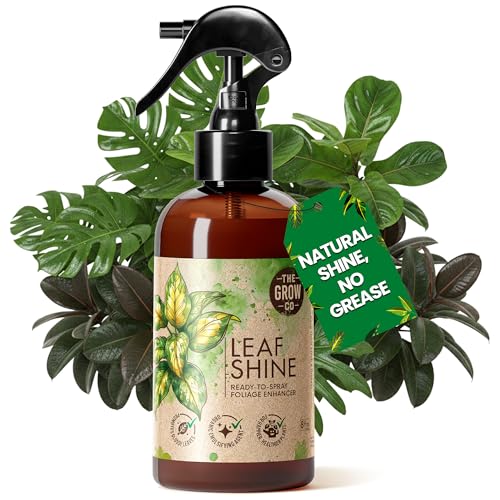
- Gentle plant leaf cleaner spray for glossy leaves
- Cotton swabs for cleaning plant leaf crevices rubber plant care

Before You Start
Before cleaning, inspect the plant for pests such as spider mites or scale. If pests are present, treat the plant separately and wait until leaves are pest-free before cleaning. Place the rubber plant away from direct sun during cleaning to prevent leaf wilting. Time estimates: a quick weekly wipe takes about 5 minutes; a thorough cleaning every 2–4 weeks takes 15–20 minutes. Safety caution: avoid spraying liquids into the soil or near the base of the plant where runoff could accumulate.
Step-By-Step: How To Clean Rubber Plant Leaves
- Gently remove surface dust with a microfiber leaf cleaning cloth by wiping each leaf from base to tip in a single, smooth motion.
- For stubborn grime, mist leaves lightly with a 16 oz spray bottle mister to loosen dirt, then wipe with the microfiber cloth again.
- Use a soft-bristle plant cleaning brush to lift dust from the midrib and the areas where leaves join the stem, taking care not to press hard.
- When leaves are especially glossy, apply a small amount of gentle plant leaf cleaner spray onto the cloth—not directly onto the leaf—then wipe the surface in long strokes.
- For leaf crevices and along the leaf edges, use cotton swabs for cleaning plant leaf crevices rubber plant care to reach tight spots without over-wetting.
- Rinse with a light mist from the spray bottle if any cleaner residue remains, then allow leaves to air-dry in indirect light.
- Check the undersides of leaves for pests after cleaning and repeat as needed for a pest-free appearance.
- Rotate the plant periodically to ensure uniform leaf exposure and even cleaning on all sides.
- Dispose of used cloths and swabs appropriately, and store tools in a cool, dry place for next maintenance.
Troubleshooting
| Symptom | Likely Cause | Fix | Prevention |
|---|---|---|---|
| Leaves look dull after cleaning | Residue from cleaner or mineral deposits | Wipe with a clean, damp microfiber cloth and dry | Use a small amount of cleaner and avoid excess moisture |
| Leaves become yellow or brown | Over-wetting or spray contacting soil | Limit spray to leaf surfaces and keep water off soil | Water plant as usual; avoid spraying directly at the pot base |
| Pests after cleaning | Hidden pests in crevices | Inspect stems and undersides; treat with appropriate method | Regularly inspect during cleaning cycles |
| Leaf edges curling | Low humidity or heat stress | Increase humidity around the plant | Provide consistent room conditions |
Common Mistakes
- Using harsh household cleaners that strip wax and gloss from leaves
- Saturating soil or soaking the pot during cleaning
- Wiping too vigorously, which can scratch delicate leaf surfaces
- Ignoring undersides of leaves where dust and pests accumulate
Sticking to gentle products and controlled moisture helps maintain the plant’s natural sheen and overall health.
Tips For Best Results
- Dust leaves on a scheduled basis to reduce grime buildup.
- Choose a soft cloth and light pressure to prevent surface scratches.
- Use light sprays and always wipe in the direction of leaf veins for a natural look.
- Pair cleaning with routine inspection for pests and overall plant care.
- Keep the plant away from direct afternoon sun during cleaning to prevent sunburn on exposed leaves.
Call A Professional
Consult a professional if you notice persistent pest infestations, unusual leaf damage, or signs of disease that do not improve with cleaning and routine care. Stop cleaning and seek help if leaves become discolored, brittle, or if the plant shows significant wilting despite proper watering and lighting conditions.
FAQ
How often should I clean rubber plant leaves?
Light dusting can occur weekly, with a deeper cleaning every 2–4 weeks depending on dust levels and house conditions.
Can I use mineral oil or furniture polish on rubber plant leaves?
Avoid mineral oil or furniture polishes; use a dedicated gentle leaf cleaner or plain water to prevent residue buildup.
Is spraying water on the leaves safe?
Yes, but spray lightly and avoid soaking the soil. Dry leaves promptly to prevent fungal issues.
What should I do if I see pests during cleaning?
Isolate the plant, inspect all leaves, and treat with an appropriate method or consult a professional if the infestation persists.
Will frequent cleaning harm the leaves?
Cleaning is safe when done gently and with proper tools; avoid scrubbing and harsh chemicals.
Buying Guide
When choosing cleaning tools and products for rubber plant care, consider size, material, and ease of use. A microfiber cloth is favored for safe, streak-free cleaning, while a soft-bristle brush helps reach crevices without scratching leaf surfaces. A spray mister simplifies even moisture application, reducing the risk of over-wetting leaves. A dedicated gentle plant leaf cleaner spray can offer a mild, plant-safe cleansing option, but always apply to the cloth first. Cotton swabs provide precise cleaning in tight leaf crevices.
Look for products with plant-safe formulas and minimal artificial fragrances to avoid leaf irritation. For households with children or pets, choose non-toxic, residue-free cleaners. Consider storage practicality and whether items are easy to clean after use. Finally, verify compatibility with glossy leaf surfaces to preserve the plant’s natural sheen.