The glass ceramic surface on Samsung stoves delivers a sleek look and easy cleanup, but it requires specific care to maintain its shine and performance. This guide provides practical, safe steps to remove spills, stains, and baked-on residue without scratching or dulling the surface.
Quick Answer
Use a non-abrasive approach: let the surface cool, apply a ceramic glass cleaner or a gentle non-scratch cleaner, scrub with a soft pad, and finish with a microfiber cloth. For stubborn spots, gently use a ceramic glass cooktop scraper with a blade kept at a shallow angle. Always avoid harsh abrasives and metal brushes.
What You’ll Need
Gather the following tools and supplies to clean a Samsung glass stove top effectively:
- ceramic glass cooktop scraper with blade
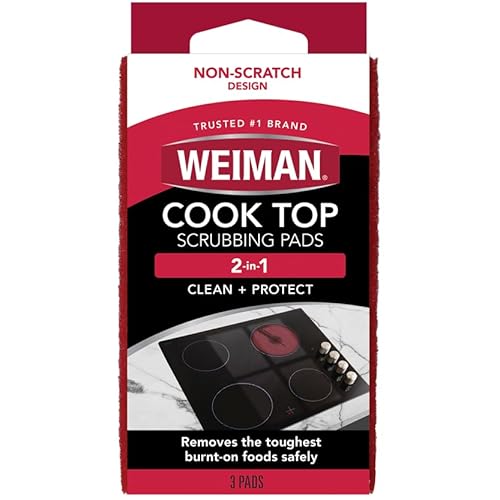
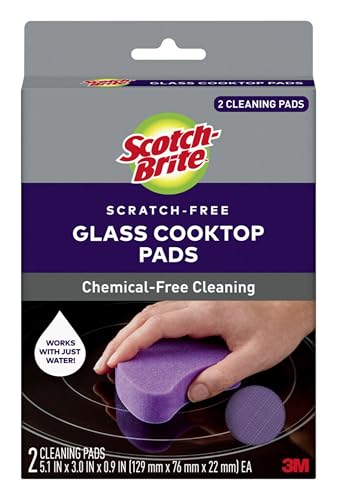
- non-scratch scrub pad for ceramic stove top
- microfiber cleaning pad for glass stove top
- cooktop cleaning kit ceramic glass
- stainless steel razor scraper for glass stove top

Before You Start
Prepare a cool, unplugged cooking area and lay down a soft towel to protect the surface from any drops. Never use a hot scraper or heat-activated cleaners on a warm or hot cooktop, as this can warp the glass. Test cleaners on a small area first to ensure compatibility with the Samsung surface. Plan a cleaning session that targets spills while they’re still manageable, ideally a few minutes after meals.
Step-By-Step: How To Clean Samsung Glass Stove Top
- Allow the cooktop to cool completely, then wipe loose debris with a dry microfiber cloth to prevent scratching.
- Apply a small amount of a dedicated cooktop cleaner or a gentle, non-abrasive cleaner over the stained area.
- Gently rub using a non-scratch scrub pad for ceramic stove top in circular motions until residue softens.
- For hard-to-remove spots, use a ceramic glass cooktop scraper with blade held at a shallow angle (about 30 degrees) to lift the residue.
- Wipe away loosened material with the microfiber cleaning pad and a light mist of cleaner as needed.
- Rinse the surface with a clean microfiber pad to remove cleaner residue; wipe dry to prevent streaks.
- Inspect the surface for remaining stains; repeat steps as necessary, paying attention to edges and corners.
- Finish by buffing with a dry microfiber cloth until the surface shines and feels smooth.
Troubleshooting
| Symptom | Likely Cause | Fix | Prevention |
|---|---|---|---|
| Cloudy or streaky surface | Cleaner residue or mineral deposits | Wipe with a damp microfiber pad and dry thoroughly | Use minimal cleaner and wipe promptly after cooking |
| Rings around the edge | Spills dried at the rim | Apply cleaner, let sit briefly, scrape lightly with blade at angle | Wipe spills immediately after they occur |
| Scratches appearing after cleaning | Using abrasive pads or metal tools | Switch to non-scratch pads and ensure scraper blade is sharp but used gently | Avoid steel wool and metal utensils on the surface |
| Uneven sheen | Moisture trapped under cleaner residue | Dry with a fresh microfiber cloth and buff | Dry thoroughly after each cleaning pass |
Common Mistakes
- Using abrasive pads or steel wool on the glass surface
- Scraping while the cooktop is still hot or warm
- Applying excessive cleaner that leaves residue
- Using rough or metal tools on delicate spots
- Neglecting to wipe and dry after cleaning, causing streaks
Tips For Best Results
- For routine maintenance, wipe with a damp microfiber cloth after each use to prevent buildup.
- Store a dedicated cooktop cleaning kit ceramic glass at hand for quick touch-ups.
- Use the microfiber cleaning pad for glass stove top for a streak-free finish.
- Keep the stainless steel razor scraper for glass stove top blade sharp and angled at about 30 degrees for delicate spots.
- Avoid household cleaners containing ammonia or bleach that can affect the finish over time.
Call A Professional
Call a professional if the glass shows deep cracks, chips, or if stains persist despite repeated cleaning. Do not attempt to repair or replace large damaged areas yourself, as improper handling can compromise safety and warranty coverage. Seek a certified appliance technician for evaluation and service.
FAQ
Can I use vinegar to clean a glass stove top?
Yes, a dilute vinegar solution can help remove fingerprints and light residue, but avoid using it on baked-on grime with metal scrapers.
Is it safe to use a scraper on a Samsung glass top?
Yes, with caution. Use the ceramic glass cooktop scraper with blade at a shallow angle and only on stubborn spots after the surface has cooled.
What should I do about burnt-on sugar spills?
Let the surface cool, apply a plastic scraper or blade at a 30-degree angle, and use a specialized cleaner to lift the hardened layer without scratching.
How often should I deep-clean the cooktop?
Deep clean every few weeks or as spills accumulate; maintain daily with light wipes to prevent buildup.
Can I use dish soap for cleaning?
Dish soap with water can help for light cleaning, but pair it with a dedicated cooktop cleaner for best results on stubborn residue.
Is it safe to use a metal scraper on glass?
A metal scraper should be avoided unless specifically designed for glass cooktops and used with care; prefer a plastic or ceramic blade for regular cleaning.
Buying Guide
Choosing the right cleaner tools for a Samsung glass stove top involves considering size, heat exposure, and maintenance routines. Key factors include:
- Size and compatibility: Ensure the cleaning kit and scrapers fit your cooktop type (ceramic glass) and match your stove’s dimensions.
- Noise level: Some cleaning tools are manual and quiet; electric pads may add light motor noise but speed up the process for large surfaces.
- Energy efficiency and maintenance: Regular cleaning helps maintain thermal efficiency by preventing residue buildup that can affect heating performance.
- Controls and usability: Ergonomic handles, blade safety features, and easy-to-clean pads improve the cleaning experience.
- Placement: Store cleaning supplies away from heat sources and in a dry area to prevent damage to pads and blades.
When comparing products, consider how many pieces are in the kit, whether the blade is replaceable, and if the pads are designed specifically for glass surfaces. Look for sets that include a stainless steel razor scraper for glass stove top and a non-scratch scrub pad for ceramic stove top to cover both routine cleaning and tougher residues. A balanced mix of tools ensures effective cleaning without risking surface damage.