Rubber stair treads offer durability and slip resistance, but they still accumulate dirt, grime, and scuff marks. A practical cleaning routine keeps them looking fresh and extends their life. This guide provides safe, effective methods tailored for rubber stairs in homes and commercial spaces.
By following the steps below, readers can remove daily dirt as well as tougher buildup without damaging the rubber surface. The approach combines mechanical cleaning, moisture control, and optional cleaning aids to suit different levels of cleaning needs.
Quick Answer
For routine cleaning, use a stiff bristle cleaning brush with a mild cleaner, then rinse. For stubborn grime, apply a degreaser spray and scrub, followed by drying with a microfiber mop. Use a handheld steam cleaner for deep sanitizing on heat-resistant rubber surfaces, and keep a rubber stair tread scraper tool handy to remove stuck debris before cleaning.
What You’ll Need
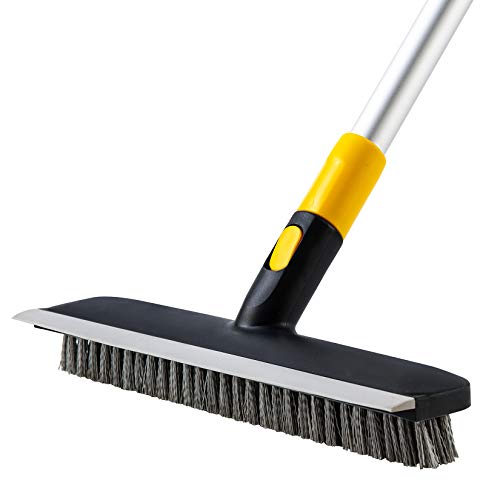
- Stair tread cleaning brush stiff bristles for rubber stairs
- Rubber stair tread scraper tool
- Microfiber mop for rubber stair treads
- Handheld steam cleaner for rubber stairs
- Degreaser spray for rubber stair treads


Before You Start
Prepare the area by moving furniture and placing a protective mat to catch spills. Test cleaners on a small, inconspicuous patch of rubber first to ensure no discoloration or surface damage. Allow for adequate ventilation if using chemical cleaners. Time estimate: 20–40 minutes for a typical set of stairs, longer for heavily soiled stairs. Do not use abrasive pads or high-acid cleaners on rubber surfaces, as these can wear down the material.
Step-By-Step: How To Clean Rubber Stair Treads
- Remove loose dirt with the rubber stair tread scraper tool, scraping along the direction of the tread to lift embedded grit.
- Dust and vacuum the stair surface to collect fine debris before wet cleaning.
- Mix a mild cleaner with warm water in a bucket. Apply the solution to a small section using the stair tread cleaning brush stiff bristles for rubber stairs, brushing in a firm, circular motion.
- Rinse the area with clean water using the microfiber mop for rubber stair treads to remove soap and residue.
- For greasy or oil-based stains, spray a degreaser spray for rubber stair treads on the affected areas, wait 1–2 minutes, then scrub and rinse thoroughly.
- If deeper cleaning is needed, use a handheld steam cleaner for rubber stairs on a low or medium setting. Hold the nozzle a few inches from the surface and move steadily to avoid saturating joints.
- Wipe the treads dry with a clean, absorbent towel or allow them to air-dry completely before walking on them again.
- Inspect for remaining spots; repeat cleaning on any stubborn stains, using the scraper first to lift residue, then brushing and rinsing.
- Return any moved items and re-check the entire staircase for dryness and even appearance.
- Establish a routine: light cleaning weekly and deeper cleaning monthly to maintain appearance and traction.
Troubleshooting
| Symptom | Likely Cause | Fix | Prevention |
|---|---|---|---|
| Stains persist after cleaning | embedded grime or oil | apply degreaser, scrub, rinse; repeat if needed | spot-clean stains promptly; wipe spills |
| Surface feels slick or slippery | soap residue or wet surface | rinse thoroughly with microfiber mop; dry completely | wipe with a dry towel after cleaning |
| Discoloration after cleaning | chemical reaction with rubber | test a small area; switch cleaners if needed | use milder cleaners designed for rubber |
| Streaks or uneven finish | inadequate rinsing | rinse in smaller sections; use clean water | establish consistent cleaning pattern |
| Scraper leaves marks | rough steel or improper technique | use plastic scraper tool and smooth strokes | avoid hard scrapers on glossy finishes |
Common Mistakes
- Using harsh brushes or abrasive pads on rubber stairs
- Over-soaking stairs, leading to moisture buildup
- Skipping a dry step after cleaning, which can cause slips
- Not testing cleaners on a small area first
Sticking to gentle cleaners and controlled moisture reduces wear and helps maintain traction and appearance over time.
Tips For Best Results
- Schedule regular quick cleanings to prevent stubborn buildup.
- Always dry the treads after cleaning to preserve grip.
- Use the scraper first to minimize scrubbing time and protect the rubber surface.
- Store cleaning tools in a dry area to prevent mildew and odor buildup.
Call A Professional
Consider a professional cleaning if treads are severely worn, stained beyond DIY methods, or if there are signs of damage such as cracking or edge lifting. Seek expert help when rubber stairs show structural wear, or if access requires specialized equipment beyond typical household tools.
FAQ
Can I use bleach on rubber stair treads?
Avoid chlorine bleach on rubber; it can cause discoloration and material degradation. Use milder cleaners suitable for rubber and test first.
How often should rubber stair treads be cleaned?
Perform routine light cleaning weekly, with deeper cleanings every 4–6 weeks depending on traffic and dirt levels.
Will steam cleaning damage the rubber?
Steam cleaning at a low to medium setting is generally safe when used briefly and with proper distance; avoid prolonged exposure to heat.
What if stains return after cleaning?
Reassess stain type; a targeted degreaser or specialized rubber cleaner may be needed, followed by thorough rinsing and drying.
Are rubber stairs safe to clean with a microfiber mop?
Yes. Microfiber mops are effective for lifting dirt while minimizing moisture and abrasion on rubber tread surfaces.
Buying Guide
When choosing cleaning tools and supplies for rubber stair treads, consider size, noise, and ease of use. A compact handheld steam cleaner for rubber stairs offers deep cleaning without large equipment, while a sturdy rubber stair tread scraper tool can quickly remove embedded debris. The stair tread cleaning brush stiff bristles for rubber stairs should have durable bristles that resist wear and won’t scratch rubber. A microfiber mop for rubber stair treads provides efficient drying with minimal lint. For stubborn grime, a purpose-built degreaser spray for rubber stair treads helps break down oils without harsh chemicals. Consider a cleaning kit that combines these items for an all-in-one solution. Noise level, water usage, and the ability to reach corners and stringers are practical factors. Place cleaning tools within reach near the staircase, and store cleaners away from children or pets. If you have high-traffic stairs or commercial space, look for commercial-grade brushes and durable scrapers designed for frequent use. Lastly, check compatibility with the specific rubber tread composition to avoid reactions with cleaners.