Dead grass can mar a lawn’s appearance and impede healthy growth. This guide explains practical, user-friendly steps to remove dead patches, revitalize your turf, and promote a lush, green lawn. It covers techniques from dethatching to aeration, with tools that fit common yard setups in American yards.
Quick Answer
To restore a healthy lawn, dethatch the dead layer, remove debris, aerate compacted soil, and overseed the area. Begin with a gentle pass to avoid damaging healthy turf, then repeat as needed. Use the right dethatching or scarifying tool for your lawn type and follow up with proper watering and mowing practices.
What You’ll Need
- dethatching rake for lawns manual
- lawn scarifier dethatcher electric
- grass thatch remover dethatcher
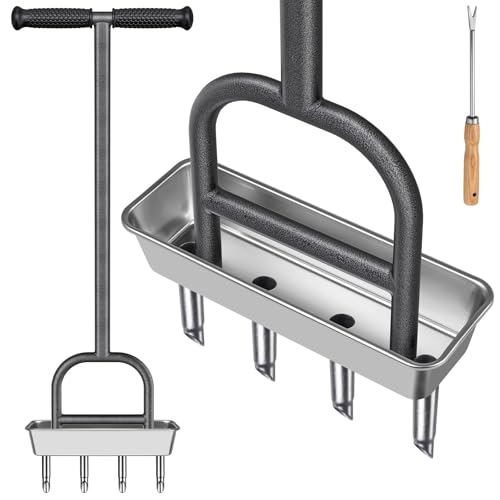
- lawn aerator plug core aerator
- garden lawn rake dethatcher thatch remover


Before You Start
Assess the lawn to identify the extent of dead grass and thatch layers. A thatch layer thicker than 1/2 inch typically benefits from dethatching or scarifying. Protect existing grass roots by avoiding aggressive passes in the same area, especially during peak heat. Plan for time: the process can take 2–4 hours depending on lawn size and tool type. Water the lawn a day before dethatching to soften soil.
Step-By-Step: How To Remove Dead Grass And Thatch
- Prepare the area by mowing the lawn to a short, even height so you can clearly see dead patches.
- Water the lawn lightly the day before dethatching to ease debris removal and reduce soil resistance.
- Choose the appropriate tool: use a manual dethatching rake for small yards or a lawn scarifier dethatcher electric for larger areas or thick thatch layers.
- Set the tool to an appropriate depth. For light thatch, skim the surface; for heavy thatch, work in multiple passes, gradually increasing depth without tearing live grass.
- Make evenly spaced passes across the lawn, overlapping slightly to ensure complete coverage. Move in a consistent pattern to avoid creating ruts in the soil.
- Rake up the loosened thatch, dead grass, and debris. Collect and discard or compost the material if appropriate for your system.
- Rake the lawn again to smooth the surface and remove loose particles. Check for bare spots and assess soil condition.
- If the lawn is compacted, follow dethatching with lawn aeration (plug or core) to improve soil air exchange and root growth.
- Overseeding any thin or bare areas, then lightly mulch with a thin layer of topsoil or compost to help seed germination.
- Water gently after overseeding and keep the soil consistently moist until new grass establishes. Resume normal mowing once new growth appears.
- Apply a balanced fertilizer if your soil test shows a deficiency and follow label instructions for timing and rates.
- Plan a maintenance schedule to prevent rapid thatch buildup, including regular mowing, dethatching every 1–3 years depending on turf type.
Troubleshooting
| Symptom | Likely Cause | Fix | Prevention |
|---|---|---|---|
| Patchy revival after dethatching | Overly aggressive passes damaged existing grass | Reduce depth and space out passes | Test a small area first; avoid multiple heavy passes |
| Soil remains compact after aeration | Soil composition or wet conditions | Aerate when soil is moist but not soggy; consider deeper cores | Water regularly in dry periods to maintain soil moisture |
| New grass fails to establish | Insufficient overseeding depth or poor seed quality | Sow at recommended rate and cover lightly | Choose region-appropriate seed and follow germination guidelines |
| Excessive thatch returns quickly | Underlying lawn tends to produce more thatch | Adjust maintenance schedule and consider extensions to aeration | Monitor thatch layer annually and dethatch as needed |
Common Mistakes
- Overly aggressive dethatching that damages healthy roots
- Scarifying during peak heat or drought, stressing turf
- Neglecting aftercare, such as overseeding and proper watering
- Ignoring soil test results and nutrient deficiencies
Tips For Best Results
- Perform dethatching in the growing season when grass can recover quickly, typically spring or fall depending on region.
- Match the tool to lawn size: manual rakes for small spaces, electric scarifiers for larger or dense thatch.
- Keep dethatching passes even and perpendicular to grass blades to avoid creating uneven areas.
- Follow with aeration and overseeding on thin patches for uniform turf density.
- Water deeply after reseeding to encourage strong root development.
Call A Professional
Consider contacting a professional if the lawn has persistent thatch thicker than 1 inch, widespread bare patches, or soil compaction that resists aeration. Signs to seek help include recurring dead zones after multiple dethatching sessions, or if you are unsure about tool depth settings and safety procedures.
FAQ
Is dethatching always necessary for dead grass?
Not always. If dead patches are minor and the thatch layer is thin, spot dethatching may suffice. Severe thatch or compacted soil often requires broader treatment.
Can I dethatch with a regular rake?
A standard garden rake is usually insufficient for thick thatch. A specialized dethatching rake or lawn scarifier is recommended for effective results.
When is the best time to dethatch?
Late spring to early fall is generally best for warm-season grasses, while early fall suits cool-season grasses, aligning with active growth for recovery.
Do I need to fertilize after dethatching?
Fertilization can help recovery, but perform a soil test first to determine nutrient needs and avoid over-fertilizing.
How soon can I mow after dethatching?
Wait until new growth appears and the lawn has established enough to tolerate mowing, typically after 1–3 weeks depending on conditions.
Should I overseed every time I dethatch?
Overseeding is recommended on bare or thin patches to reestablish turf; avoid overseeding the entire lawn unless it’s thin overall.
What maintenance helps prevent dead grass?
Regular mowing at proper height, consistent watering, seasonal aeration, and periodic dethatching as needed help prevent excessive thatch buildup.
Buying Guide
Choosing the right dethatching and lawn care tools matters for results and ease of use. Consider these factors to find equipment that fits American lawn sizes and climates.
Size and Scope
For small to medium yards, a manual dethatching rake is often sufficient. For large lawns or thick thatch, a lawn scarifier dethatcher electric makes the job faster and more thorough. Assess your yard area to pick the right tool.
Tool Type: Manual vs Electric
Manual rakes provide control and are inexpensive but require effort. Electric scarifiers offer consistent depth and power, reducing user fatigue for bigger tasks. Balance effort with budget and lawn size.
Depth Adjustment
Look for adjustable depth so you can target only the thatch layer without injuring live turf. A comfortable range is crucial for adapting to different lawn conditions.
Noise and Power
Electric models vary in noise and motor power. If the yard is near living spaces, consider quieter options with effective performance. For plots with heavy thatch, higher power may be worth the trade-off.
Durability and Build
Sturdy materials, rust-resistant components, and replaceable blades extend tool life. Read reviews on blade sharpness, maintenance, and ease of blade replacement.
Anchoring and Storage
Choose tools with compact storage designs and secure attachments. Proper storage helps prevent rust and ensures your tool remains ready for use season after season.
Placement and Versatility
Some dethatching tools double as lawn rakes or dethatchers with multiple heads. A versatile tool can simplify your toolkit and reduce clutter.
With the right approach, removing dead grass and thatch improves soil health, promotes robust germination, and yields a greener, more even lawn. Always start with the appropriate tool for your yard size and thatch depth, follow safety guidelines, and monitor results to adjust techniques as needed.