Rims accumulate brake dust, road grime, and dirt from everyday driving. Clean rims not only improve their appearance but also protect the wheel surfaces from corrosion. This guide walks American readers through a safe, effective rim cleaning routine using consumer-friendly tools designed for aluminum and chrome finishes.
With the right supplies and a methodical approach, you can restore a showroom shine without damaging the finish. The steps below emphasize safe products and precise techniques to keep wheels looking their best between professional detailing sessions.
Quick Answer
Best overall approach: Use a dedicated rim cleaner spray for aluminum rims, a wheel detail brush set to reach tight spots, and microfiber cloths for a streak-free finish. For chrome rims, apply a chrome wheel polish kit to restore luster after cleaning.
What You’ll Need
The following tools and products are commonly used to clean most wheel finishes. Gather these before you begin to streamline the process.
- 6 inch wheel cleaning brush microfiber bristles
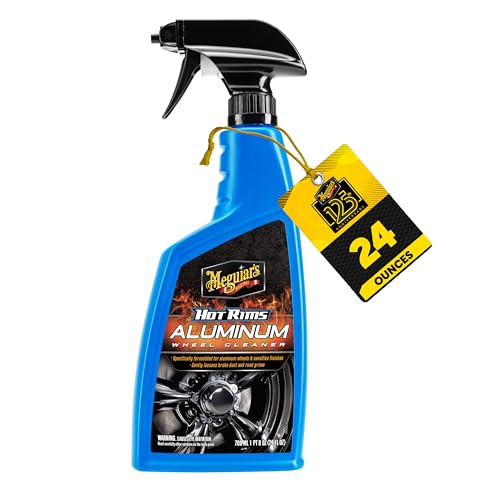
- rim cleaner spray wheel cleaner for aluminum rims
- chrome wheel polish kit with polishing compound and applicators
- microfiber wheel detailing cloths 16×16 inches
- wheel detail brush set with sponge and tire cleaner


Before You Start
Check the wheel finish type (aluminum vs chrome) and test a small, hidden patch first. Always work in a shaded, cool area to prevent cleaners from drying too quickly and staining surfaces. Protect painted body panels with a microfiber towel or umbrella to avoid splashes. Time estimate for a standard sedan set of wheels is 20–40 minutes, depending on how dirty the rims are. Never use abrasive pads or acidic cleaners on sensitive finishes, as these can scratch or dull the surface.
Step-By-Step: How To Clean Rims
- Rinse wheels with water to loosen loose dirt and brake dust. This reduces scratching during brushing.
- Spray a rim cleaner spray wheel cleaner for aluminum rims on the wheel surface, focusing on the spokes and inner barrels.
- Agitate with a 6 inch wheel cleaning brush microfiber bristles to lift embedded grime, brushing in a consistent pattern from top to bottom.
- Use a wheel detail brush set with sponge and tire cleaner to reach narrow gaps between spokes and around lug nuts.
- Rinse thoroughly. If stubborn spots remain, reapply cleaner and scrub gently until the finish looks uniform.
- For chrome rims, switch to the chrome wheel polish kit with polishing compound and applicators. Apply a thin layer of polish and buff with a clean microfiber cloth until a glossy finish appears.
- Dry the wheel completely with microfiber wheel detailing cloths 16×16 inches, patting rather than rubbing to prevent streaks.
- Inspect for any remaining residues. If necessary, repeat the cleaning cycle on tough spots, ensuring the vehicle is off and the wheels are cool.
- Optional protective step: apply a wheel sealant or wax to create a hydrophobic barrier that repels brake dust for easier future cleaning.
- Clean the lug nuts and rotor surface with a dedicated brush to avoid cross-contamination of cleaning residues.
- Finish with a final wipe down on the tire sidewalls with the microfiber cloth to remove any leftover cleaner or oil film.
Troubleshooting
| Symptom | Likely Cause | Fix | Prevention |
|---|---|---|---|
| Streaks on polished chrome | Insufficient drying or oversaturation | Dry with fresh microfiber and wipe in straight, overlapping motions | Dry immediately after rinsing |
| Scratches on aluminum | Brushing too aggressively or using abrasive tools | Switch to softer brushes and lower pressure | Use dedicated rim cleaners designed for aluminum |
| Residue around spokes | Unknown residue or improper rinse | Rinse thoroughly, re-clean spots with brush | Rinse before scrubbing and repeat as needed |
| Brits or halo from polish | Over-application of polish | Apply thin layers and buff completely | Follow product directions |
Common Mistakes
- Using household cleaners that aren’t formulated for rims, which can corrode finishes
- Brushing aggressively, causing micro-scratches on metal surfaces
- Skipping a rinse between steps, leaving cleaner residue behind
- Neglecting to dry rims promptly, leading to water spots and residue
Tips For Best Results
- Do a test patch on a small area if you’re unsure about the finish compatibility
- Work from the top of the wheel and move downward to avoid repainting dirty areas
- Use separate cloths for chrome polish and for aluminum cleaning to avoid mix contamination
- Consider a protective wheel coating after cleaning for easier maintenance
Call A Professional
Seek professional help if you notice deep pitting, flaking clear coat, or corrosion that extends beyond standard cleaning. If wheels are structurally compromised or you’re unsure about chrome restoration, contact a professional detailer or a certified auto body shop. Do not attempt risky polishing or grinding at home, which could worsen damage.
FAQ
What kind of cleaner is best for aluminum rims?
Use a rim cleaner spray wheel cleaner designed specifically for aluminum rims to avoid potential damage to the finish.
Can I use chrome polish on aluminum rims?
Chrome polish is intended for chrome finishes; it may not be suitable for aluminum. Use aluminum-safe products or a dedicated polish kit for aluminum rims.
How often should I clean my rims?
Clean rims at least every two weeks, or more often if you drive in harsh conditions or frequently park near road salt.
Is it safe to use a power washer on wheels?
Yes, with caution. Use a low pressure setting and keep the nozzle at a safe distance to prevent damage to brake components and seals.
Do wheel cleaners remove brake dust effectively?
Yes, when you allow the cleaner to dwell briefly before scrubbing with soft brushes, brake dust is loosened and lifted more easily.
Buying Guide
Choosing the right wheel cleaning tools involves considering wheel type, cleaning power, and ease of use. Key buying factors include:
- <bSize and reach: Short handles for tight spaces and longer tools for larger wheels improve access to the inner barrels.
- <bFinish compatibility: Aluminum-specific cleaners differ from chrome polishes; select products designed for your wheel finish.
- <bDetailing cloths: High-quality microfiber cloths prevent scratching and provide a streak-free finish.
- <bProtective options: Wheel sealants help repel brake dust and reduce cleaning frequency.
- <bStorage and organization: A compact detailing kit with a brush set and cleaner keeps tools ready for next wash.
When comparing kits, consider how well the included brushes reach tight spots, whether a polish kit is needed for chrome rims, and whether microfiber cloths are included in the package. Look for products with clear usage instructions and compatible finishes for the safest, most effective results.