Gas stoves provide reliable heat and precise control, but their burners and grates can accumulate stubborn grease and baked-on residue. This guide offers a practical, step-by-step approach to cleaning a gas stove safely and effectively, using common household cleaners and purpose-made tools. Readers will learn how to clean burner grates, the stove top, and control knobs without damaging finishes.
Quick Answer
To clean a gas stove efficiently: remove grates and burner heads, scrub with a dedicated stainless steel bristle brush, wipe with a degreaser spray, rinse, and dry before reassembling. For cast iron grates, use a steel wool pad set to restore shine, then re-season if needed. Always test cleaners on a small area first and follow manufacturer instructions.
What You’ll Need
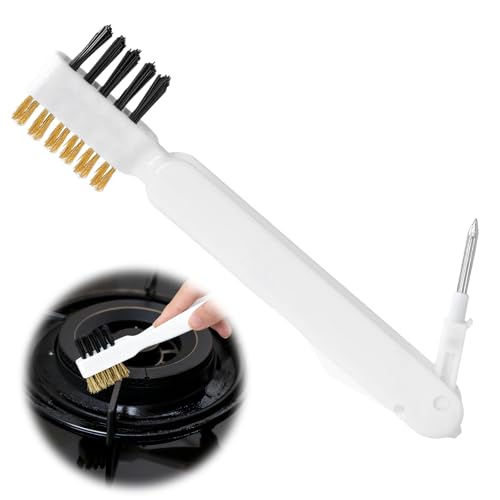
- Gas stove burner grate cleaner brush stainless steel bristles
- Gas stove top cleaning kit with non-scratch sponge and brush
- Stovetop degreaser spray for gas stove 24 oz
- Gas stove burner grate scraper tool stainless steel
- Cast iron burner grate cleaner steel wool pad set


Before You Start
Clear the area and ensure the stove is completely cool before cleaning. Disconnect the power if your stove has electronic ignition or components that require power safety. Work in a well-ventilated space and use gloves to protect hands from sharp edges and cleaning agents. Time estimates vary by condition: light cleaning may take 15–20 minutes, heavy buildup 30–60 minutes.
Caution: Do not immerse sealed electrical components in water. Avoid harsh bleach near stainless steel or aluminum parts, which can damage finishes. Test a small area of the stovetop with your chosen cleaner before full application.
Step-By-Step: How To Clean A Gas Stove
- Disassemble and prep: Remove grates, burner caps, and knobs if possible. Place small parts in warm soapy water to soak while you clean other components.
- Clean burner grates: Use the gas stove burner grate cleaner brush stainless steel bristles to scrub removable grates. For heavy grime, apply a degreaser and let sit for a few minutes before scrubbing again. Rinse and dry thoroughly.
- Address cast iron grates: If your stove uses cast iron grates, utilize the cast iron burner grate cleaner steel wool pad set to scour rust or baked-on residue. Rinse and dry completely, then re-season if recommended by the manufacturer.
- Wipe the surface: Spray the stovetop degreaser spray for gas stove 24 oz over the entire surface. Allow a short dwell time, then wipe with a non-scratch sponge and brush from the kit to lift grease without scratching.
- Clean burner heads and caps: Gently remove and inspect burner heads. Use a small brush or pipe cleaner to clear any clogged ports. Wipe caps with the degreaser and rinse with a damp cloth. Dry before reassembly.
- Trim edges and corners: Use a soft brush or sponge to remove grime from hard-to-reach crevices. For stubborn spots, apply a light amount of degreaser and scrub with a non-scratch pad to avoid scratching surfaces.
- Reassemble and test: Reinstall knobs, burner heads, and grates. Turn on the stove to test ignition and ensure even flame distribution. If any burner fails to light, recheck ports for blockages.
- Final wipe: Wipe the entire surface with a damp microfiber cloth, then buff with a dry towel to reduce streaks and improve shine.
Troubleshooting
| Symptom | Likely Cause | Fix | Prevention |
|---|---|---|---|
| Uneven flame or burner won’t light | Clean burner heads and ports with a brush | Regular maintenance after heavy cooking | |
| Streaks or dull finish on top | Residue buildup | Reapply degreaser and wipe with a non-scratch sponge | Wipe after cooking to prevent buildup |
| Grates still feel rough after cleaning | Embedded rust or glaze | Use cast iron grate cleaner steel wool pads | Season cast iron grates as recommended |
| Knobs loosen or stick | Grease around control shafts | Wipe with degreaser; gently spritz around edges | Clean regularly to prevent buildup |
Common Mistakes
- Using abrasive cleaners on stainless steel or enamel surfaces
- Allowing liquids to pool around knobs or ignition components
- Forgetting to dry grates completely before reassembly
- Neglecting overhead range hood or vent after cleaning
Tips For Best Results
- Schedule a monthly deep clean during routine kitchen maintenance to prevent heavy buildup.
- Keep a dedicated cleaning kit with a non-scratch sponge and a reliable degreaser accessible under the sink.
- Use the right brush for different surfaces: stainless steel bristles for metal parts, soft brushes for glass or enamel.
- For stubborn stains, apply heat-safe degreaser and let it dwell longer before scrubbing.
- Always dry metal parts after cleaning to prevent rust and corrosion.
Call A Professional
Consider professional help if there is significant rust on cast iron grates, persistent ignition issues, or gas smells after cleaning. Stop immediately if you detect gas leak symptoms such as hissing sounds, burning plastic smells, or sparks near the appliance. A licensed technician can ensure safe operation and thorough inspection.
FAQ
Can I use bleach on a gas stove?
Avoid bleach on stainless steel and enamel finishes; it can cause discoloration and damage. Use a degreaser appropriate for the surface.
Is it safe to clean while the stove is hot?
No. Clean only when the stove is completely cool to prevent burns and chemical reactions with heat.
How do I remove burnt-on grease from cast iron grates?
Use a steel wool pad set with a mild cleaner, then rinse and dry. Re-season if recommended by the manufacturer.
Should I remove knobs for cleaning?
Yes, if possible. Detach knobs and wipe the shafts and surrounding areas to remove grease buildup.
What is the best way to prevent buildup on stovetop surfaces?
Wipe after cooking with a non-scratch sponge and degreaser, then buff dry to maintain shine and reduce future scrubbing.
Buying Guide
When choosing cleaning supplies for a gas stove, consider size, material compatibility, and cleaning power. For regular maintenance, a gas stove top cleaning kit with a non-scratch sponge and brush provides a balanced approach between effectiveness and surface safety. For heavier grime, a 24 oz stovetop degreaser spray offers strong grease-cutting action without harsh solvents. For cast iron or heavily enameled grates, steel wool pad sets or stainless steel bristle brushes can help restore surface without scratching. Ensure tools are designed for stainless steel and avoid abrasive compounds that may damage finishes.
Key buying factors include:
- Size and capacity: Larger bottles reduce frequent purchases but take more storage space.
- Noise level: Bristle brushes and scrapers are quiet; industrial-grade tools may be louder but more durable.
- Energy efficiency: Not directly relevant to cleaning, but well-maintained stoves operate more efficiently and evenly.
- Controls and placement: Clean around knobs and control panels carefully; avoid moisture intrusion into electrical components.
- Surface compatibility: Always choose cleaners and brushes labeled for stainless steel, enamel, and cast iron as needed.
What combination of tools best fits your stove type (stainless steel, enamel, or cast iron) and your cleaning cadence? A balanced kit including a non-scratch sponge, a stainless steel bristle brush, and a reliable degreaser usually covers most maintenance needs. If the stove experiences heavy buildup from frequent cooking, consider adding a steel wool pad set for cast iron grates.