Iron soleplates build up sticky residue and mineral deposits over time, reducing glide and heat transfer. Proper cleaning restores smooth operation and extends the life of the iron. This guide covers safe methods and essential tools to remove grime without damaging coatings.
Following a simple routine can prevent stubborn buildup. With the right supplies and a careful technique, users can maintain performance and avoid common issues like sticking or snagging fabric.
Quick Answer
Use a dedicated soleplate cleaner or descaling solution applied to a damp cloth or sponge, then scrub with a soft pad or microfiber. Finish with a thorough wipe and test on a scrap fabric. Regular maintenance prevents heavy deposits from forming.
What You’ll Need
- steam iron soleplate cleaner spray or a descaling solution
- iron cleaning kit soleplate containing pads or brushes
- soleplate cleaning pad for irons for gentle scrubbing
- microfiber cloth for iron soleplate cleaning for snag-free wiping
- soft sponge or cotton towel

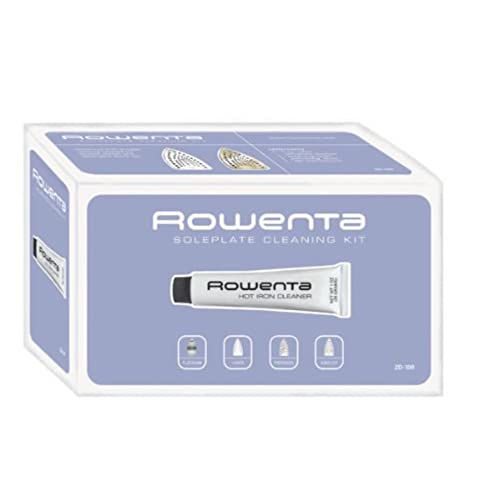

Before You Start
Work on a cool, unplugged iron to avoid burns. Ensure the soleplate is cool to touch before cleaning. Use a well-ventilated area and follow the manufacturer guidance for any cleaning agents. If the iron has a nonstick or ceramic coating, avoid harsh abrasives that could scratch the surface. Estimate 10–20 minutes for a routine clean and up to 40 minutes for heavy buildup. Safety note is essential when dealing with hot water or steam residues.
Step-By-Step: How To Clean An Iron Soleplate
- Unplug the iron and allow it to cool completely, then set to the lowest steam setting to ensure any remaining moisture can escape safely.
- Fill a small container with warm water and add a few drops of the descaling solution for steam iron, if you plan to tackle mineral deposits.
- Apply a light mist of the steam iron soleplate cleaner spray directly onto the cool soleplate or onto a microfiber cloth for iron soleplate cleaning.
- Gently rub the soleplate using the soleplate cleaning pad for irons or a soft cloth, focusing on areas with white crust or residue.
- For stubborn areas, dampen a corner of the microfiber cloth with the solution and hold it against the deposit for 10–15 seconds to loosen buildup.
- Wipe away loosened residue with a clean section of the cloth, then switch to a dry area to remove moisture.
- Plug the iron back in and perform a few test passes on an old towel to remove any cleaner and to ensure no residue remains.
- If hot steam is used, run the iron over a thin, heat-safe sheet to confirm smooth glide before resuming regular ironing tasks.
- Dispose of used cloths and scrub pads after each cleaning session to prevent cross contamination with fabrics.
- Repeat the process periodically, especially before heavy fabrics or high-temperature ironing tasks.
- Store the iron and cleaners in a cool, dry area away from children and pets.
- Document a regular maintenance schedule to ensure consistent performance over time.
Troubleshooting
| Symptom | Likely Cause | Fix | Prevention |
|---|---|---|---|
| Streaks appear after cleaning | Cleaner residue or mineral deposits | Wipe with clean microfiber cloth until streak-free | Rinse with distilled water before use |
| Iron drags on fabric | Residue remains on soleplate | Re-clean with a pad and microfiber cloth | Clean regularly, not just when deposits are visible |
| Steam stops or leaks | Blocked vents from mineral buildup | Use descaling solution and a soft brush to clear vents | Descale monthly or as needed |
| Coating wears off | Harsh abrasives | Switch to nonabrasive pads | Follow manufacturer guidance |
Common Mistakes
- Using abrasive cleaners or metal scrubbers on coated soleplates
- Cleaning while the iron is hot or partially heated
- Neglecting to wipe away all cleaner residues after treatment
- Skimping on drying time before ironing again
Careful attention to tools and technique helps maintain a smooth glide and protects the soleplate finish.
Tips For Best Results
- Use distilled water to reduce mineral buildup between cleaning sessions
- Regularly vacuum or wipe the steam vents to prevent clogging
- Test cleaned areas on scrap fabric before resuming regular use
- Store cleaning supplies away from heat sources and out of reach of children
Call A Professional
Call a professional if the iron shows persistent leaks, overheating, or electrical issues not resolved by cleaning. Seek immediate help if the soleplate coating is visibly damaged, or if descaling attempts fail to restore performance.
FAQ
Can I use regular household cleaners on the soleplate?
Avoid harsh household cleaners; use dedicated soleplate cleaners or descaling solutions designed for irons.
Is it safe to use steam while cleaning?
Follow the product instructions and perform cleaning with the iron unplugged and cool; then test with a cloth.
How often should I descale my iron?
Descale based on mineral exposure, typically every few months for hard water areas or after heavy use.
What if stains remain after cleaning?
Apply a fresh amount of cleaning solution to a new microfiber cloth and re-wipe the affected area, then rinse.
Buying Guide
When selecting tools for cleaning an iron soleplate, consider size, material compatibility, and cleaning efficacy. Key factors include:
- Size and compatibility: Choose products that fit your iron model and soleplate shape.
- Cleaning intensity: Light scrubs for routine maintenance and stronger formulations for heavy buildup.
- Material compatibility: Prefer nonabrasive pads and microfiber fabrics to avoid coating damage.
- Ease of use: Spray cleaners and kits with clear instructions save time and reduce risk.
- Maintenance schedule: Complement tools with a simple routine that fits your ironing frequency.
- Storage and safety: Opt for compact packaging and safe storage away from children.
For best results, compare products by how well they address mineral deposits, residue removal, and vent cleaning. Are you unsure which combination works with your iron? A practical approach is to start with a spray cleaner and a soft pad, then escalate to a descaling solution if mineral buildup persists. The right toolkit helps maintain glide and prolongs soleplate life.