Rhinestone jewelry adds sparkle to everyday outfits and special occasions alike. Proper cleaning preserves their shine without damaging delicate stones or plated metal. This guide walks American readers through a careful, step-by-step routine using commonly available tools to keep rhinestones looking pristine.
Quick Answer
Fast method: use a gentle jewelry cleaning kit and a soft brush for spot cleaning, followed by a microfiber cloth to buff to a high gloss. For deeper cleaning, an ultrasonic cleaner can be used cautiously with rhinestones that are securely set, not loose.
What You’ll Need
- Ultrasonic jewelry cleaner 40kHz safe for rhinestones
- Soft bristle jewelry cleaning brush rhinestone necklace
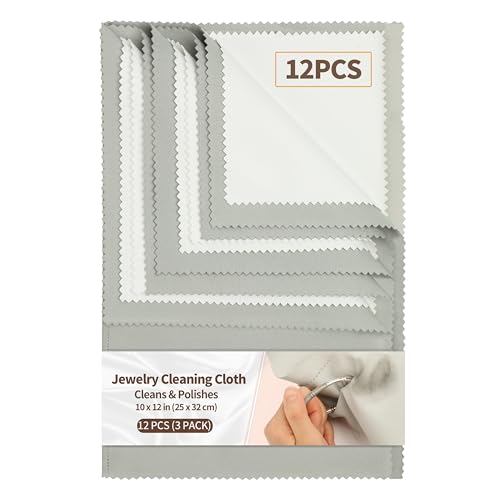
- Microfiber polishing cloth jewelry rhinestone safe
- Jewelry cleaning kit with non-scratch brush and cloth
- Gentle jewelry cleaning solution for rhinestones jewelry cleaning kit


Before You Start
Rhinestones are often glued or prong-set. Before cleaning, inspect each piece for loose stones or damaged settings. If stones are loose, avoid aggressive cleaning, as agitation can worsen loss. Work in a well-lit space and lay a soft towel on the countertop to catch any drips. Avoid harsh chemicals, acetone, and ammonia-based cleaners as they can dull metal plating or loosen glue. Time estimate: 5–15 minutes for routine cleaning, up to 30 minutes for a larger piece with multiple stones.
Step-By-Step: How To Clean Rhinestone Jewelry
- Remove jewelry from any perfume, lotion, or hair product to reduce residue before cleaning.
- Gently brush with a soft bristle brush to loosen surface dust. Focus on the backs and settings where buildup tends to collect.
- Prepare a mild cleaning solution if using a kit. Mix a small amount of gent **le jewelry cleaning solution for rhinestones** with warm water in a cup.
- Dip a soft brush or lint-free cloth into the solution and very gently clean the rhinestones and metal parts. Avoid soaking pieces with glued settings for too long.
- Rinse sparingly. If the piece is water-resistant but not waterproof, wipe with a damp cloth instead of submerging.
- For stubborn grime, use a jewelry cleaning kit with non-scratch brush and cloth. Lightly scrub, then wipe away any residue with a clean, damp cloth.
- Dry thoroughly with a microfiber polishing cloth, lifting stones with gentle motion rather than pressing downward on settings.
- Inspect for loosened stones. If you notice any, stop cleaning and seek repair services to avoid further loss.
- Buff to a shine using the microfiber cloth in long, even strokes, paying attention to the metal’s tarnish-prone areas.
- Store separately in a soft pouch or lined jewelry box to prevent scratching and tangling.
- Repeat care every few weeks or after heavy wear, depending on exposure to sweat, perfume, or outdoor elements.
- For multi-piece sets, clean each piece individually to avoid transfer of residue between items.
Troubleshooting
| Symptom | Likely Cause | Fix | Prevention |
|---|---|---|---|
| Stones look dull | Residue or oils | Gently re-clean with mild solution and microfiber cloth | Clean after each wear; store properly |
| Stones loose | Weak setting or damage | Do not force cleaning; consult a jeweler | Inspect frequently; avoid rough activities |
| Metal tarnishing | Exposure to moisture or chemicals | Dry thoroughly and apply a light polish with cloth | Keep away from chlorine and harsh cleaners |
| Color fading on plating | Harsh cleaners or abrasion | Switch to non-acidic solutions and soft brushes | Gentle handling and proper storage |
Common Mistakes To Avoid
- Submerging pieces with glued stones in water for extended periods
- Using abrasive brushes or scouring pads on delicate rhinestones
- Relying on strong household cleaners like bleach or ammonia
- Ignoring signs of loose settings or damage
Avoiding these missteps helps extend the life of rhinestone jewelry while preserving sparkle and structural integrity.
Tips For Best Results
- Test any cleaner on a small, inconspicuous area before full cleaning
- Clean in a circular motion to lift grime without scratching
- Use a dedicated microfiber cloth for final buffing to maximize shine
- Wear gloves or handle pieces by edges to protect delicate stones
- Schedule routine cleanings after heavy wear seasons or events
Call A Professional
Seek professional help if stones are missing or settings appear damaged, if there is significant metal discoloration that cleaning cannot resolve, or if cleaning requires disassembly. Do not attempt to re-glue stones yourself, as improper adhesive can degrade over time and void warranties.
FAQ
How often should rhinestone jewelry be cleaned?
Clean pieces after heavy wear or once every few weeks for items worn daily to maintain sparkle and prevent buildup.
Can I use an ultrasonic cleaner on all rhinestone pieces?
Use ultrasonic cleaners only on pieces with secure stone settings and metal that tolerates brief immersion. Avoid loose stones and glued components unless explicitly marked safe.
What should I avoid when cleaning rhinestones?
Avoid acetone, ammonia-based cleaners, bleach, and rough brushes that can damage stone settings or metal plating.
Is it safe to wash rhinestones with water alone?
Water alone can help, but a mild solution improves removal of oils and residues without risking damage when used with appropriate tools.
How do I store cleaned rhinestone jewelry?
Store in a soft pouch or lined jewelry box, separate from other pieces to prevent scratching and tangling.
Should I polish rhinestones or only the metal?
Polish both as needed, but use a cloth gentle on stones to avoid loosening any prongs or glues.
What if a stone falls out after cleaning?
Contact a jeweler promptly for professional repair and avoid wearing the piece until repaired.
Buying Guide
Choosing the right cleaning routine and tools for rhinestone jewelry involves considering several factors. Size and design impact how easy cleaning is, especially for intricate pieces with multiple small stones. Noise level and energy use matter when selecting an ultrasonic cleaner; a 40kHz setting is generally safe for rhinestones but may still be harsher on delicate settings. Energy efficiency and built-in controls influence long-term costs and convenience. Placement matters too—clean in a well-ventilated area and store in a cool, dry spot away from direct sunlight. When comparing kits, consider whether the kit includes a non-scratch brush and microfiber cloth, and whether the cleaning solution is explicitly gentle for rhinestones. Finally, assess compatibility with your typical jewelry types to ensure the kit covers necklaces, bracelets, earrings, and brooches without risking damage.