Maintaining a clean ResMed CPAP setup is essential for comfort, hygiene, and therapy effectiveness. Proper cleaning helps reduce skin irritation, allergies, and the risk of infections. This guide breaks down a practical, step-by-step routine using common cleaning tools to keep the CPAP system fresh and safe.
Quick Answer
Clean daily with wipes or a gentle soap solution for the mask and hose, and sanitize weekly with UV or a dedicated cleaning kit. Regular brushing helps remove buildup from tubing and components, while avoiding harsh chemicals preserves equipment integrity.
What You’ll Need
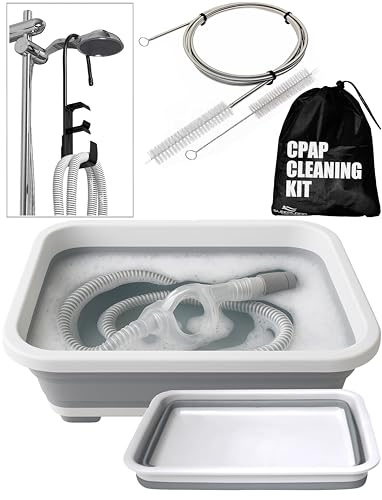
- CPAP hose cleaning brush for tubing interior
- CPAP mask cleaning brush soft bristles to reach small crevices
- CPAP cleaning kit with wipes and sanitizer for convenient on-the-go cleaning
- UV CPAP sanitizer for ResMed as an optional deeper sanitizing step
- ResMed CPAP tubing and mask cleaning brush set to cover all components


Before You Start
Prepare a clean work area and gather supplies. Disconnect the device from power and remove the water chamber. Do not submerge the CPAP machine’s main unit in water. Allow all components to air dry completely before reassembling. Keep the device away from direct sunlight and heat to avoid material damage. Estimate cleaning time: 20–40 minutes for a thorough routine.
Step-By-Step: How To Clean A ResMed CPAP System
- Unplug and disassemble the mask, tubing, and water chamber according to the user manual.
- Rinse the CPAP hose with lukewarm water to loosen deposits, then use the hose cleaning brush to scrub the interior gently.
- Wipe the outside of the mask and components with a mild, fragrance-free soap or the wipes from the CPAP cleaning kit. Rinse and pat dry.
- Clean the mask interior cushions and seal with the soft-bristle mask cleaning brush to avoid damage to silicone or gel pads.
- Fill a basin with warm water and a small amount of mild detergent; soak the tubing and the ResMed tubing and mask cleaning brush set items as recommended, then rinse thoroughly.
- Gently shake out excess water and let all parts air-dry completely on a clean towel or drying rack.
- Optionally use the UV CPAP sanitizer for ResMed per the manufacturer’s instructions for a deeper clean, ensuring it is compatible with CPAP materials.
- Reassemble once everything is fully dry. Re-fill the water chamber with distilled water only and ensure all connections are snug.
- Document your cleaning routine on a calendar or app to maintain a consistent schedule and replace supplies as needed.
Troubleshooting
| Symptom | Likely Cause | Fix | Prevention |
|---|---|---|---|
| Mask smells or tastes off | Buildup on cushion or straps | Thoroughly clean the mask and replace worn cushion | Clean daily with appropriate wipes; replace parts per schedule |
| Hose feels stiff or cracks | Drying too slowly or harsh cleaners | Rinse well; avoid harsh chemicals; replace hose if cracking | Rinse and air-dry promptly after washing |
| Device shows low humidity or cloudy water | Water chamber deposits | Clean chamber and replace water weekly | Use distilled water; rinse after use |
| UV sanitizer not working | Device incompatibility or improper usage | Follow manual, ensure compatibility | Only use recommended sanitizers for ResMed units |
Common Mistakes
- Using bleach or harsh cleaners on hoses or masks
- Submerging the CPAP machine itself in water
- Using hot water that can warp plastic components
- Neglecting to dry parts completely before reassembly
- Infrequent cleaning leading to residue buildup and odors
Tips For Best Results
- Establish a daily quick wipe routine for the mask and frame to keep buildup manageable.
- Schedule a deeper cleaning weekly, including tubing and the water chamber.
- Label parts with a simple maintenance log to track replacements like cushions and seals.
- Use distilled water in the humidifier to reduce mineral deposits.
- Keep cleaning tools dedicated to CPAP parts to avoid cross-contamination with household cleaners.
Call A Professional
Consult a CPAP technician or your sleep clinician if you notice persistent odors, persistent skin irritation, persistent mask leaks despite cleaning, or abnormal machine noises. Seek professional help if you observe mold growth on any components or if the device shows persistent error indicators after cleaning.
FAQ
How often should I clean the CPAP mask?
Clean the mask daily with wipes or soap-and-water, and perform a thorough weekly cleaning of all components.
Can I use household cleaners on CPAP parts?
Avoid bleach, ammonia, or abrasive cleaners; use mild soap or manufacturer-approved wipes.
Is UV sanitizing safe for CPAP components?
When used according to the manufacturer’s instructions and with compatible devices, UV sanitizers can be a helpful supplement, not a replacement for routine cleaning.
What should I do if the hose remains smelly after cleaning?
Deep-clean the hose and consider replacing it if odors persist, as buildup inside can be hard to remove completely.
How do I know when to replace mask cushions?
Replace cushions when they show wear, lose elasticity, or cause leaks to ensure a proper seal.
Is it necessary to detach the device from power for cleaning?
Yes, always unplug the unit before disassembling or cleaning to prevent electric shock or damage.
Buying Guide
Choosing the right cleaning tools for a ResMed CPAP system involves balancing effectiveness, ease of use, and compatibility. Consider these buying factors:
- Size and compatibility: Ensure brushes and kits fit the tubing and mask models you use.
- Noise level: Some cleaning devices, especially UV sanitizers, produce minimal noise—important for light sleepers.
- Energy efficiency: Low-power options are preferable for regular use in households.
- Controls and ease of use: Simple wipes and brush sets reduce setup time and mistakes.
- Placement: Compact tools fit on nightstands or bathroom counters without clutter.
- Material safety: Choose brushes with soft bristles and non-abrasive cleaners to protect silicone and plastics.
- Maintenance cadence: Pick a kit that aligns with your cleaning frequency—daily quick wipe or weekly deep clean.
- Warranty and support: Prefer brands offering clear instructions and reliable customer service.
By evaluating these factors, users can assemble a practical cleaning routine that preserves performance and comfort while keeping maintenance straightforward.