Prefinished hardwood floors offer durability and ease of maintenance, but cleaning them properly protects their finish and longevity. This guide provides practical, safe methods for everyday cleaning and periodic deep cleaning using common tools and floor-safe techniques.
Readers will find a clear, step-by-step approach, product-specific tips, and a buying guide to help choose compatible cleaning tools and accessories for homes with prefinished hardwood floors.
Quick Answer
For routine cleaning, sweep or vacuum with a hard floor setting to remove dust and debris, then use a damp microfiber pad or mop with a mild, pH-neutral cleaner. Avoid soaking the floor, and dry it promptly. For stubborn spots, a soft-bristle scrub brush can work with a minimal amount of cleaner. When using steam or specialized machines, ensure the floor is rated for such use and follow manufacturer directions.
What You’ll Need
- Microfiber mop for prefinished hardwood floors
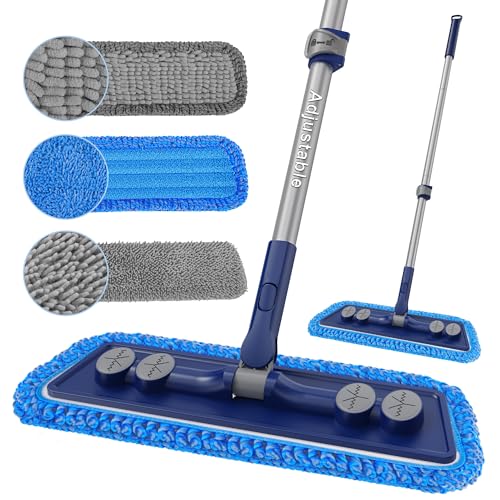
- Interchangeable microfiber mop head for hardwood floors
- Wood floor scrub brush attachment for cleaning machine
- Hardwood floor vacuum cleaner with hard floor setting
- Steam mop for prefinished hardwood floors (only if approved by manufacturer)


Before You Start
Before cleaning, remove area rugs and furniture or move items to create an open workspace. Check for loose boards, protruding nails, or damage that could worsen with moisture. Use a broom or vacuum designed for hard floors to prevent scratches. Avoid excess moisture, standing water, or steam that can penetrate seams or edges. Test any cleaner in an inconspicuous area first, and follow manufacturer instructions for your specific flooring finish.
Estimated time for routine cleaning: about 20–40 minutes depending on room size and furniture. For maintenance cleanings, plan for shorter sessions; for deeper cleaning, allocate more time and consider spot treatments for built-up grime.
Step-By-Step: How To Clean Prefinished Hardwood Floors
- Clear the floor of furniture and rugs to expose all surfaces that need cleaning.
- Dry-clean or sweep with a soft dust mop to lift loose dust and grit, preventing scratching during mopping.
- Attach a microfiber mop head and lightly dampen it with water or a pH-neutral cleaner approved for hardwood floors.
- Wipe along the grain in smooth, even motions, working small sections at a time to avoid puddling.
- For stubborn spots, use a wood floor scrub brush attachment on a compatible cleaning machine with minimal moisture; gently scrub the area and wipe away residue.
- Dry each section promptly with a dry microfiber pad to remove residual moisture and prevent warping or swelling.
- When using a vacuum, switch to a hard floor setting and avoid using a beater bar that can scratch the finish.
- For water-based damp mopping, ensure the mop is just barely damp and not dripping; excess moisture is harmful to unfinished seams and edges.
- Periodically inspect the floor for scuffs; treat light scuffs with a small amount of cleaner and a microfiber cloth, then buff gently.
- For routine maintenance, repeat cleaning every 1–2 weeks or as needed based on foot traffic and pet presence.
- If using a steam mop, verify that your floor’s finish allows steam cleaning and keep the device away from grout lines and edges to minimize moisture exposure.
- Reinstall rugs and furniture once the floor is clean and completely dry.
Troubleshooting
| Symptom | Likely Cause | Fix | Prevention |
|---|---|---|---|
| Water marks or streaks | Excess moisture on the mop or cleaner | Wring mop well; use a barely damp pad | Always use a damp, not wet, cloth or pad |
| Scratches after cleaning | Hard debris or rough pad contacting floor | Use a softer pad and remove grit before mopping | Wash or sweep thoroughly before mopping |
| Finish dulls over time | Using harsh cleaners | Switch to a pH-neutral cleaner designed for wood floors | Follow manufacturer recommendations |
| Peeling edges | Excess moisture near seams | Dry floors promptly; avoid soaking | Use minimal moisture on mop and avoid steam unless approved |
Common Mistakes
- Using ammonia or highly alkaline cleaners that can strip the finish
- Soaking the floor with water or steam cleaning on unapproved finishes
- Ignoring booster debris or pet hair that can scratch when scrubbed in
- Using the wrong vacuum setting that can lift the protective coating
Tips For Best Results
- Schedule regular light cleanings to prevent buildup that requires aggressive scrubbing.
- Rotate cleaning tools to distribute wear evenly across rooms.
- Store cleaning tools out of direct sunlight to prevent finish fading over time.
- Test cleaners in an inconspicuous area to verify color fastness and finish compatibility.
- Rotate microfiber mop heads and wash them after use to maintain effectiveness.
Call A Professional
Seek professional help if you notice deep scratches, water damage, or significant finish wear that cleaning alone cannot address. Stop-and-go signs include persistent lifting, large warped areas, or bubbling finishes, which indicate structural moisture or finish failure requiring expert assessment.
FAQ
Can I use a steam mop on my prefinished hardwood floors?
Only if the floor manufacturer approves steam cleaning for your specific finish. Many finishes are sensitive to heat and moisture, so consult the product guide first.
What’s the best mop for prefinished hardwood floors?
A microfiber mop with interchangeable heads designed for wood floors provides effective cleaning with minimal moisture.
How do I remove tough spots without damaging the finish?
Use a soft-bristle brush with a small amount of a pH-neutral cleaner, then wipe clean with a damp microfiber cloth.
How often should I clean prefinished hardwood floors?
Routine light cleaning can occur weekly, with deeper cleanings every few months depending on traffic and pets.
Is vacuuming safe for prefinished hardwood floors?
Yes, use a hardwood floor setting and avoid beater bars that can scratch the finish.
Should I use a dedicated wood floor cleaner or dilute soap?
A pH-neutral wood floor cleaner is preferred; avoid harsh soaps that can leave residues or degrade the finish.
Buying Guide
When selecting cleaning tools for prefinished hardwood floors, consider size, noise level, energy efficiency, controls, and placement options. For most homes, a lightweight, maneuverable setup with a dedicated hardwood floor vacuum and a microfiber mop head provides the best balance of performance and safety. Look for:
- Size and maneuverability to fit tight spaces and under furniture
- Effective filtration and soft brushes to protect the finish
- Compatible interchangeable heads for versatility
- Low-noise operation for daytime cleaning or apartments
- Low moisture designs or damp-mop capability for water-sensitive finishes
- Ease of maintenance, availability of replacement heads, and machine compatibility
- Clear manufacturer guidance on using steam or scrub attachments
Key buying factors include choosing a microfiber mop system with interchangeable heads for longevity and control, and selecting a hardwood floor vacuum with a dedicated hard floor setting to minimize risk of damage. Consider how often cleaning will occur, room shapes, and storage space when evaluating models.