Stubborn stains on plastic food storage containers can be a hassle, but with the right routine you can restore clarity and eliminate odors. This guide covers practical, kitchen-safe methods using common tools and readily available cleaning products.
Quick Answer
For most stains: start with white vinegar spray and a baking soda paste, scrub with a long-handle bottle brush, then wipe with a microfiber cloth. For tough yellowed lids or stubborn residues, apply lemon juice stain remover or baking soda paste and repeat as needed.
The Essentials You’ll Need
- Plastic food storage container scrub brush with long handle
- Baking soda cleaning paste for stained plastic containers
- White vinegar cleaning spray for plastic food storage
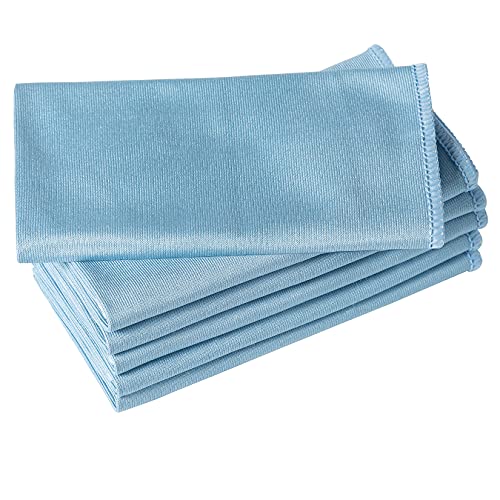
- Microfiber cloth for cleaning stained Tupperware
- Lemon juice stain remover for plastic containers kit

Before You Start
Inspect containers for deep scratches or warping that could harbor bacteria. Use only dishwashing soap and non-abrasive tools on finished surfaces to avoid scratching. Avoid heat exposure that can warp plastic; air-dry completely before storing. Plan for a 15–30 minute cleaning session for typical sets, longer for heavily stained pieces.
Step-By-Step: How To Clean Stained Tupperware
- Rinse stained containers under warm water to loosen loose residue.
- Spray white vinegar cleaning spray inside and outside; let sit 5 minutes to break down oils and color.
- Dust the surfaces with a baking soda cleaning paste and scrub using the long-handle brush in circular motions.
- Rinse again and inspect for remaining stains; repeat the vinegar and paste treatment if needed.
- Apply lemon juice stain remover for particularly stubborn yellowing or citrus smells; leave for 5–10 minutes.
- Scrub with microfiber cloth, focusing on the interior corners and seams.
- Rinse thoroughly with warm water; ensure all residues are removed to avoid tasting soap or cleaner.
- Dry completely with a clean microfiber cloth or air dry before stacking to prevent lingering moisture.
Troubleshooting
| Symptom | Likely Cause | Fix | Prevention |
|---|---|---|---|
| Persistent white film after washing | Hard water minerals | Wipe with white vinegar, rinse well | Dry thoroughly; consider a water-softening rinse |
| Yellow staining on exterior | Sun exposure or dye migration | Lemon juice remover; repeat if needed | Avoid long sun exposure |
| Scratches or etched look | Over-scrubbing or abrasive tools | Switch to non-abrasive cloths or brushes | Use gentle motions, soft brushes |
| Odor persists after cleaning | Leftover residue | Repeated paste and vinegar cycles | Regular cleaning after use of strong-smelling foods |
Common Mistakes To Avoid
- Using abrasive scrubbers that scratch plastic
- Disregarding odor by skipping a full rinse
- Declining to air-dry completely, which fosters mold
- Mixing cleaners not recommended for plastics
Tips For Best Results
- To prevent stains, rinse containers promptly after staining foods.
- Keep a dedicated microfiber cloth just for plastic containers to avoid transferring odors.
- For stubborn odors, place containers in sunlight briefly; UV light can help neutralize smells.
- Label containers with contents or date to monitor freshness and reduce repeated staining cycles.
Call A Professional
If containers are severely warped, cracked, or show persistent mold growth that does not respond to cleaning, consider replacing the affected pieces. Seek professional assistance if there are signs of material degradation or if contamination risk is high (e.g., lingering mildew in sealed lids).
FAQ
Can I use bleach on plastic containers?
Bleach can damage certain plastics and may leave residual taste; use milder cleaners like vinegar and baking soda unless the manufacturer specifies bleach as safe.
Is it safe to microwave plastic containers after cleaning?
Only if they are labeled microwave-safe; otherwise, avoid heating to prevent warping and possible chemical leaching.
How long should I let cleaners sit on stained areas?
Typically 5–10 minutes, depending on the stain; avoid prolonged exposure to prevent damage to the plastic.
Are there natural alternatives to baking soda?
Lemon juice and white vinegar alone can help with many stains, but baking soda paste is often more effective on tough residues.
Can I reuse stained containers for non-food storage?
Stains and odors may transfer to sensitive items; if odor-free and clean, they can be used for non-food storage, but inspect for any residual chemicals.
What about dishwasher cleaning for stained Tupperware?
Most plastic containers are dishwasher-safe, but top-rack only; hand-washing with gentle cleaners is often gentler on stains.
Buying Guide
Choosing the right tools and products for cleaning stained Tupperware involves considering size, material compatibility, and ease of use. Below are factors to help compare options and optimize results.
Key Buying Factors
- <bSize and capacity: Choose specialty tools and brushes that fit the interior geometry of your containers, including tall jars and wide-mouthed designs.
- <bNoise level and ergonomics: Look for long-handle brushes with comfortable grips to reduce wrist strain during scrubbing.
- <bEnergy efficiency and eco-friendliness: Prefer non-toxic cleaners, reusable microfiber cloths, and rust-free brushes to minimize waste.
- <bControls and simplicity: Straightforward spray bottles, paste jars, and wipe-clean surfaces speed up routine cleaning.
- <bPlacement and storage: Store cleaning supplies in a dry area near the sink for quick access; keep microfiber cloths separate from other fabrics to prevent cross-contamination.
Bottom line: with the right combination of white vinegar, baking soda paste, citrus cleaners, and soft brushes, stained Tupperware can regain its clarity and freshness. Would you like recommendations tailored to container sizes you own or a quick shopping list based on your typical staining challenges?