With everyday use, pillowcases collect oils, sweat, and dust. Regular cleaning helps prevent skin irritations and keeps fabrics looking fresh. This guide outlines practical steps to clean pillowcases effectively, plus tools that simplify the process for American households.
Whether you’re tackling delicate fabrics or tough stains, a simple routine can make pillowcases feel like new again. The methods below balance convenience and care to protect fibers and reduce wear over time.
Quick Answer
Spot-clean stains with a fabric stain remover pen, then machine wash pillowcases in warm water with a mild detergent. Use a mesh lingerie wash bag for delicates, a soft-bristle brush for stubborn dirt, and finish with a quick air-dry or gentle tumble on low heat. A lint roller helps remove surface lint after washing.
What You’ll Need
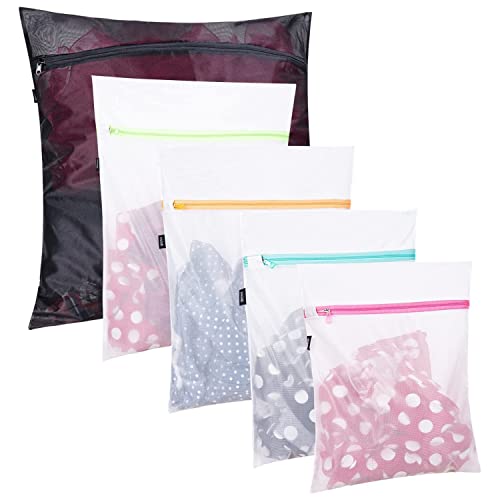
- Mesh lingerie laundry wash bag for delicates
- Fabric stain remover pen for clothes
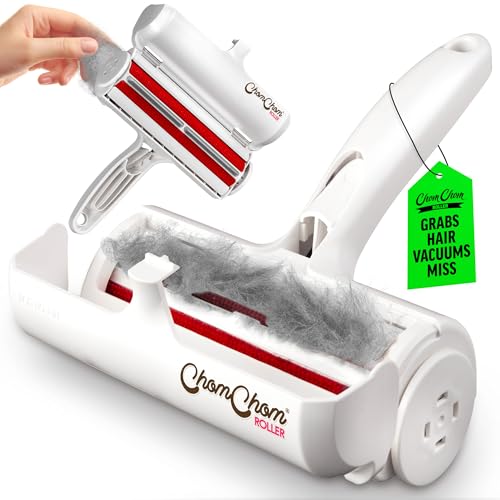
- Lint roller for pillowcases and fabrics
- Garment steamer for pillowcases
- Soft bristle garment cleaning brush for fabrics

Before You Start
Sort pillowcases by color and fabric type. Check care labels for washing instructions. Pre-treat visible stains with a fabric stain remover pen, test on a hidden area first to avoid color change, and remove any rings or jewelry that could snag fabric. Plan for a 30–45 minute cleaning window, plus drying time. Keep hot water and harsh chemicals away from sensitive fabrics to prevent fading or fiber damage.
Step-By-Step: How To Clean Pillowcases
- Inspect pillowcases for stains, pilling, or delicate fibers. Set aside any that require special handling in a laundry bag.
- Pre-treat stains with the fabric stain remover pen, applying a light layer and gently rubbing with the soft bristle garment cleaning brush.
- Place delicates in the mesh lingerie laundry wash bag to protect seams during washing.
- Run a standard wash cycle in warm water with a mild detergent. Avoid bleach on colored fabrics unless the label permits it.
- For heavy soils, repeat the wash cycle or soak briefly in cooler water with a gentle detergent before rewashing.
- After washing, remove pillowcases from the bag. Use the garment steamer to refresh fibers and reduce wrinkles, or air-dry flat if recommended by care labels.
- Once dry, use the lint roller to remove any surface lint or stray fibers for a pristine finish.
- Store pillowcases in a clean, dry area to prevent musty odors and maintain softness.
Troubleshooting
| Symptom | Likely Cause | Fix | Prevention |
|---|---|---|---|
| Fading color after washing | Excessive heat or bleach | Wash in warm or cool water; avoid bleach on colored fabrics | Follow care labels; air-dry when possible |
| Stubborn stains persist | Stain treated too late or not pre-treated | Pre-treat again with stain remover pen and rewash | Treat stains promptly |
| Lint after washing | Fibers shed during wash | Run lint roller over pillowcases; consider shorter wash cycles | Wash with similar fabrics and use gentler cycles |
| Wrinkled fabric after dry | Overdrying or lack of smoothing | Remove promptly and use garment steamer | Use lower heat setting and remove while slightly damp |
Common Mistakes To Avoid
- Overloading the washing machine, which reduces cleaning effectiveness
- Using hot water on delicate fabrics, causing shrinkage or color fading
- Neglecting to pre-treat visible stains promptly
- Skipping a rinse cycle when using stain removers or heavy detergents
Tips For Best Results
- Pre-treat stains as soon as possible for best removal results.
- Use the mesh wash bag for pillowcases with lace, embroidery, or delicate seams.
- Pair a gentle detergent with warm water to preserve softness and brightness.
- Freshen fabrics with a light steam before storing to reduce odors and wrinkles.
- Keep a dedicated lint roller handy near the laundry area for quick touch-ups.
Call A Professional
Call a professional if pillowcases feature persistent dye migration, persistent staining that won’t respond to home treatment, or delicate fabrics that require hand-cleaning or professional equipment. If you notice any fabric damage during cleaning, stop immediately and seek expert guidance.
FAQ
How often should pillowcases be washed?
Most households benefit from washing pillowcases weekly or every two weeks, depending on skin sensitivity and personal hygiene.
Can I wash pillowcases with other laundry?
Yes, but sort by color and fabric type. Use a gentle cycle for delicate fabrics and separate towels or heavy fabrics to prevent lint transfer.
Is a fabric stain remover pen safe on all pillowcase fabrics?
Test on a hidden area first. If colorfast, proceed; otherwise, use a milder approach or consult care labels.
Should I iron pillowcases?
Many pillowcases are wrinkle-free after a brief tumble-dry or steam. If needed, a light iron on appropriate heat works for cotton and poly-cotton blends.
Buying Guide
When choosing pillowcase cleaning tools and accessories, consider how often you wash, fabric types, and the level of stain resistance you need. The following factors help align gear with practical household use:
- Size and fabric compatibility: Ensure tools work with standard pillowcase dimensions and materials such as cotton, cotton-poly blends, and delicate fabrics.
- Noise level: Garment steamers and washers operate at varying sound levels; look for quieter models if you share living spaces with light sleepers.
- Energy efficiency: Choose washers and steamers with energy-saving modes to lower utility use without sacrificing performance.
- Controls: User-friendly controls for water temperature, cycle length, and steam settings simplify routines for busy households.
- Placement: Keep cleaning tools within easy reach for quick touch-ups after laundry or before bed.
As you compare options, consider how each tool complements your routine. A mesh wash bag protects delicates, a lint roller handles post-wash cleanups, and a garment steamer refreshes fibers quickly. If stains are common, a pen-style stain remover can save time with targeted treatment. Selecting the right combination helps maintain pillowcase softness, color, and overall cleanliness with minimal effort.