Resin arts often involve clear, precise measurements and careful mixing. Over time, resin residue can harden and cling to measuring cups, making future pours less accurate. This guide provides practical steps to restore cleanliness, maintain accuracy, and extend the life of resin measuring tools used in home studios across the United States.
Whether you’re a hobbyist or a professional, regular cleaning helps prevent cross-contamination of colors and reducest cleanup time for your next project. The methods here apply to common resin types, including epoxy resins and UV resins, and emphasize safe handling and material compatibility.
Quick Answer
Rinse, soften, scrub, and dry in a simple sequence: rinse with warm water, soak if needed, scrub with the right tools, then dry thoroughly. For stubborn resin, repeat steps and finish with a soft microfiber cloth to remove streaks and restore clarity.
What You’ll Need
- Silicone scrub brush for resin cups
- Epoxy resin measuring cup cleaning brush
- Plastic scraper for resin cup residue
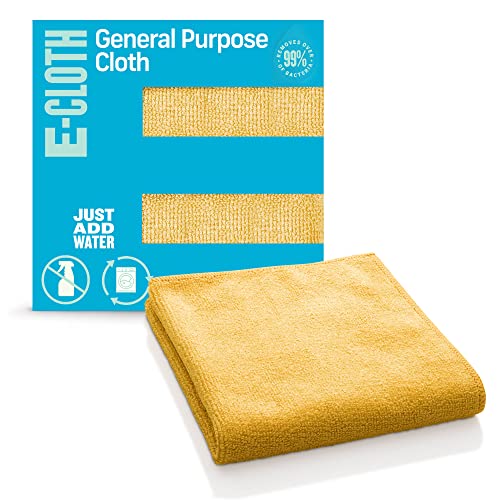
- Soft microfiber cloth for epoxy resin cleanup
- Resin mold cleaning brush set


Before You Start
Before cleaning, ensure the workspace is well-ventilated and surfaces are protected from spills. Wear gloves to minimize skin contact with resin solvents and cleaners. Use warm, not boiling, water to avoid warping plastic cups. If a resin is fully cured, consider a soft plastic scraper to avoid scratching the cup. Estimate 10–20 minutes for routine cleanups; deeper cleanings may take longer if residues have cured.
Important cautions: never boil resin cups, avoid harsh chemicals on flexible silicone cups, and always test cleaning methods on a small area first to prevent damage.
Step-By-Step: How To Clean Resin Measuring Cups
- Rinse the cup under warm running water to remove loose resin and reduce surface tack.
- Gently shake or tilt to flush resin from corners and measurement marks.
- If residue persists, soak briefly in warm water or a mild detergent solution for 5–10 minutes.
- Use a epoxy resin measuring cup cleaning brush to reach the scale lines and interior walls; brush in a circular motion to lift sticky buildup.
- For stubborn spots, employ a plastic scraper for resin cup residue to lift dried resin without scratching the surface.
- Rinse again with warm water and inspect for any remaining film or haze; repeat soaking and brushing if necessary.
- Dry with a soft microfiber cloth for epoxy resin cleanup, wiping from top to bottom to prevent streaks.
- If the cup is silicone or flexible, avoid abrasive scrubbing that could wear the surface; use lighter strokes with the silicone brush.
- Let the cup air-dry completely on a clean surface before storing to prevent moisture-related issues.
- Inspect tools after cleaning and dry them as well, returning them to their storage spots for next project.
- For resin molds or related tools, consider a resin mold cleaning brush set to extend life and keep consistency across projects.
- Label and store cups away from direct sunlight, which can degrade some resins and tools over time.
Troubleshooting
| Symptom | Likely Cause | Fix | Prevention |
|---|---|---|---|
| Stuck, hardened resin inside cup | Residue cured during previous pour | Soak longer, use cleaning brush, consider gentle solvent following safety guidelines | Clean soon after use; wipe excess resin before curing |
| Streaks or cloudiness after cleaning | Water spots or soap residue | Rinse thoroughly with warm water, dry with microfiber cloth | Rinse immediately after wash; use distilled water if minerals are an issue |
| Scratches on cup interior | Abrasive scrubbing or metal tools | Switch to non-abrasive brushes and plastic scrapers | Use dedicated resin-cleaning tools only |
| Persistent odor | Chemical residue or solvents lingering | Wash with mild detergent, rinse, and air-dry completely | Clean promptly; use odor-neutral cleaners compatible with resin |
Common Mistakes
- Using hot water that warps plastic cups or damages silicone components
- Forcing residues with heavy scrubbing, which can scratch or dull surfaces
- Neglecting to dry cups and tools thoroughly, leading to residual moisture
- Mixing cleaners incompatible with resin materials, causing chemical reactions
Tips For Best Results
- Choose a dedicated cleaning brush set sized for small measuring cups to avoid missed residues
- Always follow safety data for any cleaners used with resin products
- Use a soft microfiber cloth to prevent micro-scratches and ensure clear measurement markings remain visible
- Keep a routine: rinse immediately after each use and perform a quick scrub before resin fully cures
- Store cups in a clean, dry area away from direct sunlight to maintain material integrity
Call A Professional
Seek professional help if cups show deep staining, persistent hazing, or cracks that could compromise measurement accuracy. If unsure about using solvents or cleaners, contact the resin supplier or a local workshop for guidance. Stop using any cup if it continues to warp or lose markings after multiple cleanings.
FAQ
Can I use acetone to clean resin cups?
Only if the resin and cup materials are compatible; check manufacturer guidance before use.
Is it safe to wash resin cups in the dishwasher?
Most resin cups are not dishwasher-safe; hand washing with warm water is recommended.
How do I remove hazy film after cleaning?
Rewash with mild detergent, rinse thoroughly, and dry with a microfiber cloth; repeat if needed.
How should I store resin measuring cups for longevity?
Store in a dry area away from direct sun and heat; keep brushes clean and dry after each cleaning session.
Buying Guide
When choosing resin cleaning tools for measuring cups, consider size compatibility, ease of access to tight corners, and compatibility with common resins. Look for a soft microfiber cloth for epoxy resin cleanup that leaves no fibers behind, a silicone scrub brush for resin cups that won’t scratch surfaces, and a epoxy resin measuring cup cleaning brush designed for precision inside small volumes. A plastic scraper for resin cup residue is essential for stubborn build-up without damaging molds or cups. For broader maintenance, a resin mold cleaning brush set helps keep all studio tools in top condition. Consider how your setup will store tools and whether you prefer a compact or full kit to cover routine and deep cleans.
Key buying factors include cup size and measurement scale clarity, noise-free brush operation in a quiet workspace, and energy efficiency of any powered cleaning aids if used. Controls should be simple and intuitive, and placement of tools should support quick access during busy sessions. If you frequently switch between resin types, ensure brushes and scrapers are rated for a range of viscosities and cleaning solvents. A practical kit improves cleanup speed, preserves measurement accuracy, and extends tool life.