Cleaning a paver patio restores curb appeal and helps extend the life of the surface. With the right tools and a proven method, homeowners can remove dirt, moss, stains, and weeds without damaging joints or the underlying base. This guide provides practical, step-by-step instructions tailored to American patios and typical household setups.
Whether preparing for seasonal use or tackling a stubborn stain, a systematic approach yields the best results. The methods below emphasize safety, efficiency, and avoidance of common pitfalls that can lead to paver damage or unsatisfactory outcomes.
Quick Answer
Best overall method: combine a pressure washer with a surface cleaner attachment and a dedicated paver cleaner for stain removal. For delicate areas or stubborn stains, use a masonry joint brush and a paver cleaning brush scrubber to scrub along the joints and toward the grain of the pavers.
The Tools And Materials You’ll Need
- Electric pressure washer for paver patio cleaning
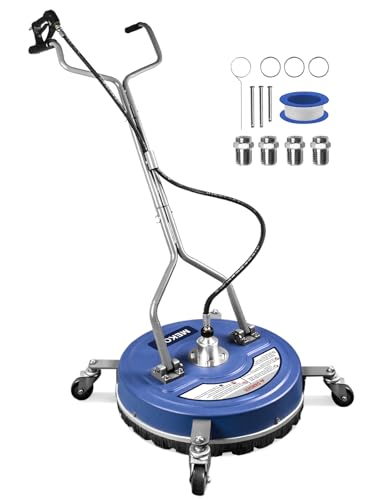
- Pressure washer surface cleaner attachment for pavers
- Paver cleaner and stain remover
- Paver patio cleaning brush scrubber
- Masonry joint brush for paver patio
- Optional spare brushes and replacement nozzles


Before You Start
Assess the patio for loose or cracked pavers and repair any gaps in the grout lines before cleaning. Clear all furniture, grills, and planters. Wet nearby landscaping to minimize runoff and avoidover-spray on plantings. Wear eye protection, gloves, and closed-toe shoes. Time estimate: 1–3 hours depending on area and stain severity. Important: avoid pressure washers on joint sand that is loose or on delicate natural stone, as high pressure can erode joints or etch the surface.
Step-By-Step: How To Clean A Paver Patio
- Sweep the entire area to remove loose debris, leaves, and grit.
- Rinse the surface with a light water spray to dampen the pavers before applying cleaners.
- Apply the paver cleaner and stain remover according to the product instructions, focusing on stained or heavily soiled sections.
- Let the cleaner sit for the recommended dwell time, but don’t let it dry on the surface.
- Use the paver patio cleaning brush scrubber to loosen embedded dirt along the joints, working in a consistent pattern.
- Attach the pressure washer surface cleaner attachment for efficient, even cleaning across large areas.
- Rinse from the highest point downward, letting dirty water drain away from plants and soil.
- For stubborn stains, reapply cleaner or use a masonry joint brush for targeted scrubbing in the joints.
- Once clean, rinse thoroughly to remove all cleaner residue and allow the surface to dry completely.
- Replace any removed sand in the joints if necessary to restore stability and prevent weed growth.
- Inspect the patio for missed spots and repeat the process as needed, especially in shaded or damp areas.
- Finish with a wet brooming or light rinse to settle surface sand and reduce residue before reintroducing furniture.
Troubleshooting
| Symptom | Likely Cause | Fix | Prevention |
|---|---|---|---|
| Streaks or uneven cleaning | Motion inconsistent or inadequate water pressure | Use a surface cleaner and maintain steady, overlapping passes | Test area first; keep wand tip at consistent distance |
| Pavers darkening after cleaning | Excess moisture or residue from cleaner | Rinse thoroughly and allow to dry completely | Work in sections; avoid over-soaking |
| Discolored joints or sand washed away | High-pressure impact on loose joint sand | Reduce pressure near joints; re-sand after drying | Use lower pressure around edges |
| Moss or algae growth returns quickly | Shade, moisture, and lack of ongoing maintenance | Apply preventative cleaner per instructions; keep surface dry | Regular maintenance and proper drainage |
Common Mistakes To Avoid
- Using excessive pressure on the grout lines, which can dislodge sand and widen joints.
- Choosing a cleaner that is not suitable for pavers and causing staining or buildup.
- Neglecting to rinse thoroughly, leaving residue that attracts more dirt.
- Cleaning in direct sun or on hot surfaces, which can dry cleaners too quickly and cause streaks.
Tips For Best Results
- Test cleaners on a small, inconspicuous area before full-scale use to ensure colorfastness.
- Use a sweeping pattern and move from one side to the other to avoid re-soiling areas you already cleaned.
- Combine a cleaner with a joint brush for best results in crowded or textured joints.
- Schedule deep cleaning seasonally, and perform light maintenance monthly to prevent heavy buildup.
- Protect nearby plants by wetting them down prior to cleaning and shielding them during rinsing.
Call A Professional
Consider professional help if the patio has extensive staining, problematic efflorescence, severe mold growth, or structural concerns with the pavers. Stop and call a pro if you notice ongoing weeds breaking through joints, significant paver displacement, or cracked pavers that require replacement rather than cleaning.
FAQ
Is an electric pressure washer safe for pavers?
Yes, when used with the correct nozzle and at appropriate pressure settings, an electric pressure washer is effective for paver cleaning without damaging most surfaces.
Can I use a power washer on joints?
Limited, controlled use is recommended. Avoid concentrating high pressure on loose sand or weak joints to prevent erosion.
Do I need a special cleaner for stains?
A dedicated paver cleaner and stain remover is typically best for oil, tire marks, and organic stains; test first on a small area.
How often should I clean a paver patio?
Light maintenance every 2–3 months and a deep clean seasonally, depending on use, climate, and shade.
Should I seal pavers after cleaning?
Sealing can help protect against stains and weathering, but plan sealing after the surface is fully dry and follow product guidelines.
What about moss and algae?
Use a cleaner designed for moss and algae, scrub with the masonry joint brush, and ensure quick drying to deter regrowth.
Buying Guide
When choosing gear for cleaning a paver patio, consider size, noise, energy efficiency, and control features. A compact electric pressure washer with a surface cleaner attachment works well for small to medium patios and minimizes vibrations and noise. For larger areas, a more powerful machine with adjustable pressure helps tackle heavy staining without damaging joints. Look for a paver cleaner and stain remover compatible with your surface type, and a masonry joint brush that reaches into tight joints. Placement matters: keep the unit on a flat surface, away from plants, and use a water source with a stable hose. Compare options by nozzle quality, spray patterns, and ease of swapping attachments. Always verify that cleaners are safe for pavers and won’t degrade sealants or joint material. For best results, align the cleaner’s settings with the surface texture and local climate conditions, and plan for a follow-up reseeding or re-sanding if necessary.