Cleaning a patio without a hose is practical for apartments, during drought restrictions, or when water access is limited. This guide covers practical methods, tools, and safe techniques to refresh concrete, stone, or deck spaces using common household cleaners and compact sprayers.
Quick Answer
Use a small, portable spray system to apply cleaner, a stiff-bristled outdoor deck cleaning brush with a long handle to scrub, and a manual pressure sprayer for targeted rinsing. For stubborn stains, a concentrated outdoor cleaner spray bottle helps lift grime without a garden hose.
What You’ll Need
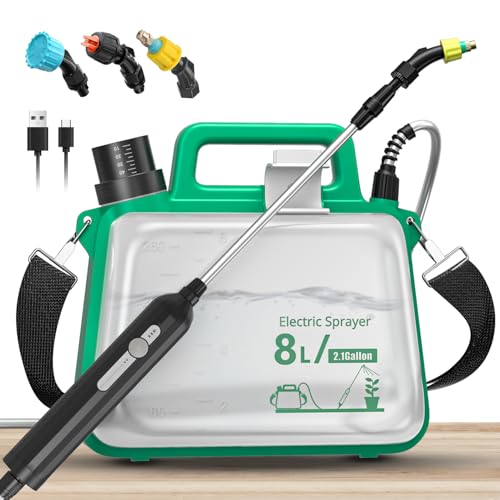
- 1 gallon cordless garden sprayer with adjustable nozzle
- Outdoor deck cleaning brush with long handle
- Manual pressure sprayer for patio cleaning
- Electric scrub brush for patio cleaning with interchangeable heads
- Concentrated outdoor cleaner spray bottle for concrete patio


Before You Start
Assess the patio surface to choose appropriate cleaners and brushing power. Clear debris, move planters, and protect nearby plants with a sheet or barrier. Test cleaner on a small, inconspicuous area first to ensure it does not discolor the surface. Plan to work in mild weather to prevent the cleaner from drying too quickly. Safety: Wear gloves, eye protection, and a mask if using chemical cleaners. Avoid using bleach-based products on aluminum or painted surfaces unless specified by the manufacturer.
Estimated time: 1–3 hours depending on patio size and stubborn stains. For porous stones or aged concrete, plan extra time for deep brushing and rinsing.
Step-By-Step: How To Clean A Patio Without A Hose
- Prepare the cleaning solution in the 1 gallon cordless garden sprayer, following the label instructions for dilutions and contact time.
- Spray the cleaner evenly over the entire patio surface, focusing on high-traffic areas and obvious stains. Use the adjustable nozzle to control spray width and distance.
- Allow the solution to sit for the recommended dwell time, typically 5–10 minutes, to loosen dirt and algae.
- Scrub with the outdoor deck cleaning brush with long handle or the electric scrub brush for patio cleaning with interchangeable heads to lift embedded grime. Alternate brush heads for concrete versus wood deck surfaces.
- Rinse selective areas using the manual pressure sprayer for patio cleaning with clean water. Work in sections to prevent residue from drying unevenly.
- For stubborn stains, reapply a concentrated outdoor cleaner spray bottle for concrete patio in small patches and scrub again. Do not exceed recommended dwell times.
- Dry the surface with a clean cloth or let air dry. For wet weather or high humidity, consider air-drying with good ventilation to prevent mold growth.
- Inspect the patio after drying. Repeat cleaning on any remaining spots and seal porous surfaces if recommended by surface manufacturers.
Troubleshooting
| Symptom | Likely Cause | Fix | Prevention |
|---|---|---|---|
| Streaks after cleaning | Uneven application or quick drying | Reapply cleaner to missed areas and rinse evenly | Apply in cool, shaded conditions |
| Residual soap film | Too much cleaner or insufficient rinse | Rinse thoroughly in sections | Follow label dilution exactly |
Common Mistakes
- Using high-pressure settings on delicate surfaces like natural stone or sealed wood
- Letting cleaner dry on the surface before scrubbing
- Applying cleaners too close to plants without protection
- Skipping a final rinse and drying step
Tips For Best Results
- Test cleaners on a small patch first to confirm colorfastness and finish integrity.
- Work from the farthest corner toward the exit to avoid stepping on cleaned areas.
- Use interchangeable heads on the electric scrub brush to boost efficiency on textured surfaces.
- For evergreen mold or algae, schedule cleaning after dawn but before midday sun to prevent rapid drying.
- Clean seasonal platforms and grills after patio cleaning to keep the space cohesive.
Call A Professional
Consider contacting a professional if the patio has deep-set oil stains, extensive mildew, or structural concerns such as loose pavers or significant cracking. Stop and seek expert help if you notice staining that doesn’t respond to cleaning, or if the surface shows signs of damage after cleaning attempts.
FAQ
Can I use a garden sprayer to clean wood decking without a hose?
Yes, a cordless garden sprayer with adjustable nozzle works well with wood-safe cleaners. Follow the manufacturer’s guidance to avoid wood swelling or discoloration.
What is the best cleaner for concrete patios without a hose?
A concentrated outdoor cleaner matched to concrete and used with a sprayer or brush is effective. Always dilute per label instructions and test first.
Will an electric scrub brush damage my patio?
When used with appropriate heads and on suitable surfaces, an electric scrub brush speeds up cleaning without damage. Use gentle pressure on delicate or porous surfaces.
How long does a typical patio cleaning take?
Most small to medium patios take 1–3 hours, depending on surface material and stain severity. Plan extra time for stubborn areas.
Is sealing required after cleaning?
Sealing is optional but recommended for porous surfaces to reduce future staining and mildew growth. Follow manufacturer guidance for cure times.
Can I use bleach to clean my patio without a hose?
Bleach can be used in some cases but may discolor certain materials. Check surface warranties and test in a hidden area before proceeding.
Should I rinse after cleaning?
Yes, a thorough rinse helps remove cleaner residues and prevents streaks. A final dry wipe or air-dry is beneficial.
Buying Guide
Choosing the right tools and cleaners for cleaning a patio without a hose involves considering surface type, ease of use, and safety. Below are key buying factors to help compare options and make an informed choice.
Size and Portability
Look for lightweight, maneuverable sprayers and brushes that fit storage space. A compact 1-gallon sprayer covers small areas quickly without heavy lifting, while larger options may suit bigger patios.
Noise Level and Power
Manual and battery-powered tools reduce noise compared to gas-powered options. If quiet operation is important for neighbors or early morning work, prioritize electric or manual equipment.
Cleaning Power and Versatility
Choose a system with adjustable spray patterns and interchangeable brush heads. A cordless sprayer with adjustable nozzle and a high-quality electric scrub brush provide flexibility across surfaces.
Energy Efficiency and Battery Life
For cordless devices, check battery capacity and runtime per charge. Real-world run time matters for larger patios, and quick charges reduce downtime between cleaning sessions.
Materials and Surface Compatibility
Verify that cleaners and brushes are compatible with concrete, stone, brick, and wooden decks. Avoid harsh abrasives on delicate or painted surfaces.
Controls and Ease of Use
Look for intuitive controls, clear dilution guidance, and easy alignment of spray patterns. Ergonomic handles reduce fatigue during longer cleaning sessions.
Placement and Storage
Consider where you will store tools and whether the sprayer needs to be kept indoors or in a shed. Stackable storage and integrated hangers can save space.
Maintenance and Durability
Choose tools with durable housings, replaceable brushes, and easy-to-clean nozzles. Regular maintenance extends the life of cleaning equipment and maintains performance.