Painted concrete floors can be durable and stylish, but they require careful cleaning to prevent dulling or stripping the paint. This guide provides practical steps and product recommendations to maintain a fresh, even finish without damaging the coating.
Quick Answer
Use a pH-neutral concrete floor cleaner painted surfaces with a microfiber mop for painted concrete floors or a soft bristle floor brush for concrete floors. For stubborn spots, apply a concrete degreaser for painted floors, then rinse and dry thoroughly. Avoid harsh solvents and high-pressure steam on painted coatings.
What You’ll Need
- pH-neutral concrete floor cleaner painted surfaces
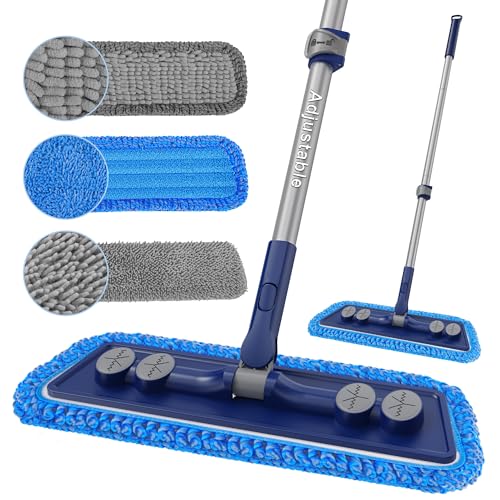
- Microfiber mop for painted concrete floors
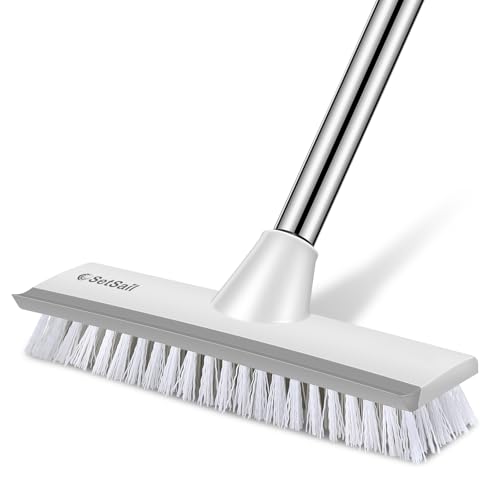
- Soft bristle floor brush for concrete floors
- Battery-powered floor scrubber for concrete floors
- Concrete degreaser for painted floors

Before You Start
Preparation helps protect the paint and speed up cleaning. Clear the area, dust with a dry mop, and repair any chipping edges before washing. Work in small sections and avoid saturating the surface. Test cleaner on a hidden area first to confirm there’s no color bleed or gloss change. Expect a cleaning session to take 15–45 minutes depending on area size and soil level.
Step-By-Step: How To Clean Painted Concrete Floors
- Dust or sweep the floor to remove loose dirt, grit, and debris.
- Ventilate the space and assemble tools, making sure the microfiber mop for painted concrete floors is clean and damp, not soaking wet.
- Mix a pH-neutral concrete floor cleaner painted surfaces with water according to label directions in a bucket.
- Dip the mop, wring out excess moisture, and mop in a grid pattern, working small sections at a time.
- For stubborn spots, apply a small amount of concrete degreaser for painted floors and scrub with a soft bristle floor brush for concrete floors.
- Rinse sections with clean water or run a damp mop over the area to remove cleaner residue.
- Dry the floor with a clean, dry microfiber pad or allow air to dry to prevent water spots.
- If using a battery-powered floor scrubber for concrete floors, run it on a low setting to protect the paint finish while lifting embedded dirt.
Troubleshooting
| Symptom | Likely Cause | Fix | Prevention |
|---|---|---|---|
| Hazy film after cleaning | Residue from cleaner or hard water | Rinse with clean water and wipe dry | Use pH-neutral concrete floor cleaner painted surfaces and soft water |
| Paint dulls or lifts | Harsh cleaners or over-wetting | Switch to pH-neutral cleaner and reduce moisture | Spot-test cleaners first |
| Stubborn oil or grease | Recent spills not fully treated | Apply concrete degreaser for painted floors and scrub | Prompt clean-up of spills |
| Uneven finish after drying | Uneven mop pressure | Evenly distribute moisture with a microfiber mop | Keep mop damp, not soaking |
Common Mistakes
- Using strong solvents or bleach on painted floors
- Wetting the surface too much, which can breach coatings
- Scrubbing aggressively with hard brushes that can scratch paint
- Skipping a final rinse or drying step, leaving streaks
Tips For Best Results
- Schedule routine maintenance to prevent buildup; frequent, light cleaning preserves the finish better than deep cleans.
- Rotate cleaning methods: microfiber mops for daily touch-ups and a battery-powered scrubber for weekly deeper cleaning.
- Always perform a small test area when introducing a new cleaner or tool.
- Keep a dedicated cleaning kit for painted floors to avoid cross-contamination with other finishes.
Call A Professional
Seek a pro if there is extensive paint wear, peeling, or moisture damage under the coating. Stop cleaning and consult a floor refinishing specialist if:
- The paint shows widespread peeling or bubbling
- There is persistent staining that cleaners cannot lift
- Water damage signs appear, such as warped patches or persistent dampness
FAQ
Can I use hot water to clean painted concrete floors?
Hot water can help loosen grime but may accelerate wear on certain paints. Use warm, not hot, water with a pH-neutral concrete floor cleaner painted surfaces.
Is it safe to use a steam mop on painted concrete?
Steam can raise moisture and potentially damage coatings. Avoid steam on painted concrete unless the manufacturer approves it.
How often should I deep clean painted concrete floors?
Deep cleaning every 1–3 months is typical, depending on foot traffic and spills. Light daily or weekly maintenance helps preserve the finish.
What should I do about pet messes on painted floors?
Blot up liquids immediately and clean with a pH-neutral concrete floor cleaner painted surfaces. For stains, a light application of concrete degreaser for painted floors can help, followed by thorough rinsing.
Buying Guide
Choosing cleaning products and tools for painted concrete floors involves considering size, noise, efficiency, and placement. This guide highlights key buying factors so American users can select tools that fit their space and routine.
Key Buying Factors
- Size and space: Larger areas benefit from a compact, easy-to-maneuver system or a battery-powered scrubber with adjustable handle length.
- Noise level: Quiet operation matters for homes with tight living spaces or open-plan layouts.
- Energy efficiency: Battery-powered models with efficient motors reduce running time and improve portability.
- Controls and usability: Easy-to-use controls and visible indicators help prevent over-wetting or wrong settings.
- Placement and surfaces: Tools should be suitable for indoor floors, with soft bristle brushes and microfiber pads designed for painted coatings.
When comparing products, look for compatibility with pH-neutral concrete floor cleaners painted surfaces, and verify that the included brushes and pads are safe for painted finishes.