Cleaning the outside of a home without a pressure washer is entirely feasible with common garden tools and careful technique. This guide walks through safe, effective methods to remove dirt, mildew, and stains while protecting siding, paint, and landscaping. By following practical steps and leveraging handy attachments, homeowners can achieve a refreshed exterior without renting or buying heavy equipment.
Quick Answer
Use a soft-bristle scrub brush, extendable pole, and mild cleaning solution to scrub siding, followed by rinsing with a garden hose. For stubborn areas, switch to a targeted spray nozzle and a soap dispenser attachment to apply cleaning solution only where needed. Work from top to bottom and rinse frequently to prevent streaks.
What You’ll Need
Gather these tools and supplies to tackle most exterior cleaning tasks without a pressure washer. The items listed align with common exterior cleaning needs and can be used on brick, vinyl, wood, and other siding types.
- Adjustable spray nozzle for garden hose exterior cleaning
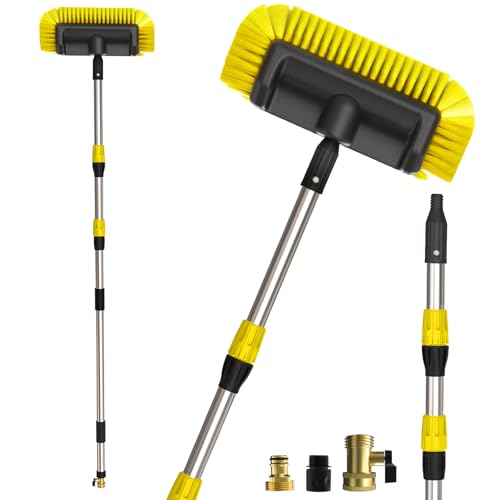
- Telescoping siding cleaning pole with scrub brush
- Exterior house wash brush with extendable pole
- Garden hose attachment soap dispenser for exterior cleaning
- Drip-free deck cleaning brush attachment for hose


Before You Start
Plan a daytime cleaning session to avoid moisture on shaded surfaces. Check weather forecasts and choose a calm, dry window. Inspect siding for loose paint, cracks, or nails; repair loose areas before cleaning to avoid damage. Test a small, inconspicuous area first to ensure cleaners do not discolor or warp materials. Wear gloves and eye protection, and be mindful of water runoff near foundations and plants. A typical cleaning job may take 1–4 hours depending on the home’s size and stain level.
Step-By-Step: How To Clean The Exterior With A Hose
- Prepare your workspace by clearing plants, furniture, and decorations near the siding. Place a ladder safely if you need higher sections.
- Attach the adjustable spray nozzle to the garden hose and set it to a wide spray for general rinsing, then switch to a narrower jet for targeted stains.
- Attach the telescoping siding cleaning pole with a scrub brush. Extend it to reach higher areas while maintaining balance on the ladder or ground.
- Apply a mild exterior cleaning solution using the garden hose attachment soap dispenser. Follow the product’s dilution instructions and avoid concentrated formulations near vegetation.
- Start at the top of a wall section and work downward in smooth, overlapping strokes with the brush. Gentle scrubbing is usually enough to lift dirt without damaging surfaces.
- Rinse sections as you go using the spray nozzle. Move methodically from top to bottom to prevent dirty run-off from re-staining clean areas.
- For stubborn mildew or green buildup, let the solution sit for a few minutes before scrubbing again, then rinse thoroughly. Avoid letting soap dry on siding.
- Switch to the drip-free deck cleaning brush attachment for hose for lower panels or decks adjacent to the house if needed. This helps reach tight corners without over-wetting nearby areas.
- Inspect the entire surface for missed spots. Reapply cleaner with a targeted approach on any remaining stains and re-rinse until the water runs clean.
- Dry the area with a soft cloth or let it air-dry. Store tools in a dry place and rinse brushes to prevent residue buildup.
- Dispose of runoff responsibly, ensuring that cleaning solutions do not enter storm drains or garden beds.
- Replace worn brushes or worn nozzles as needed to maintain cleaning efficiency and prevent brush fibers from shedding onto siding.
Troubleshooting
| Symptom | Likely Cause | Fix | Prevention |
|---|---|---|---|
| Streaking after rinse | Soap residue or uneven scrubbing | Rinse with wide spray, re-scrub lightly, and rinse again | Rinse every area thoroughly; avoid drying with sun |
| Paint peeling when scrubbing | Weak or damaged siding | Stop scrubbing that area; document for repair | Perform maintenance before cleaning |
| Excess water near foundation | Over-wetting soil and plants | Apply less water, keep pressure low, and direct flow away from beds | Use targeted sprays and maintain distance |
| Brush fibers shedding | Low-quality brush or wear | Replace brush; clean surface with softer strokes | Choose durable brushes and rinse after use |
Common Mistakes
- Using a stiff wire brush on vinyl or wood siding, causing scratches
- Soaking wood siding for extended periods, which can cause warping
- Rinsing upward or side-to-side in a way that pushes dirt back onto cleaned areas
- Over-application of cleaner near delicate plants or windows
- Neglecting safety measures when using ladders or reaching high spots
Awareness of these pitfalls helps preserve the integrity of the exterior while achieving a cleaner look.
Tips For Best Results
- Always start with the gentlest cleaning approach and escalate only as needed
- Schedule cleaner use during cooler parts of the day to avoid fast drying that can leave spots
- Test any cleaner on a small area first to confirm colorfastness
- Maintain a consistent top-to-bottom workflow to prevent streak lines
- Rinse tool reservoirs and hoses after use to prevent residue buildup
Call A Professional
Consider contacting a professional if siding shows extensive damage, if the stains persist after multiple attempts, or if you are uncertain about the cleaning chemicals used. Stop and seek help if:
- You notice bubbling or peeling paint, warped boards, or soft spots
- Exposed wiring or electrical fixtures are near the cleaning area
- You require ladder work beyond safe reach or complex roof lines
FAQ
Can I use household cleaner for exterior surfaces?
Yes, a mild detergent or soap designed for exterior cleaning works for most surfaces when diluted properly.
Is a pressure washer absolutely necessary?
No. A hose with proper attachments and scrubbing is often sufficient for regular cleaning.
Will cleaning damage siding?
When used with soft brushes and mild cleaners, most siding remains unharmed; always test a small area first.
How often should I clean the exterior?
Most homes benefit from cleaning every 1–2 years, depending on climate, shade, and nearby trees.
What maintenance helps keep exterior clean longer?
Apply a preventative wash every season and trim vegetation that blocks sun or traps moisture near the walls.
Buying Guide
When choosing tools for cleaning the exterior without a pressure washer, consider how they fit your home’s materials, height access, and plant surroundings. Size matters for reach and balance, while noise and energy usage are minimal with a garden hose setup. Look for adjustable spray nozzles that provide a gentle rinse and a focused stream for stubborn stains. An extendable pole with a soft brush helps cover large areas without excessive climbing. Consider a soap dispenser that keeps cleaners concentrated where you need them and a drip-free attachment to minimize waste and runoff. Finally, ensure compatibility with your hose size and valve fittings for a smooth cleaning process. How do you balance power, control, and reach for your home’s siding? By weighing each factor against your siding’s type and stain level, you can select a setup that delivers consistent results without a pressure washer.