Permanent markers like Sharpie can mar painted walls, but with the right approach, most stains lift without damaging the finish. This guide presents practical, consumer-friendly methods using common household products and the specific tools listed in the product keywords. Each method targets typical wall surfaces found in American homes, from painted drywall to matte finishes.
Readers will find a concise step-by-step process, quick answers for common scenarios, and practical tips to prevent future marks. The goal is to restore walls while avoiding over-saturation, color bleaching, or texture damage.
Quick Answer
Choose a gentle method first: start with a melamine sponge or microfiber cloth dampened with water, then move to isopropyl alcohol for stubborn marks. For glossy or painted surfaces, a dedicated permanent marker stain remover spray can be effective. Avoid abrasive scrubbers on delicate finishes and always test a hidden area first.
What You’ll Need
- Melamine sponge wall stain remover for permanent marker
- Magic Eraser melamine foam for ink on walls
- Isopropyl alcohol 70% for removing Sharpie from painted walls
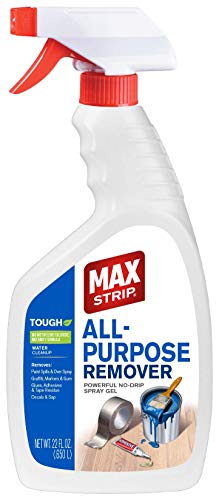
- Permanent marker stain remover spray for walls painted surfaces
- Microfiber cleaning cloth for removing Sharpie from walls

Before You Start
Before tackling marks, identify the wall finish: flat or matte paint is more porous, while eggshell, satin, or semi-gloss is more resistant to staining. Perform a spot test on a small, inconspicuous area to confirm that the color and finish won’t be harmed. Work in a well-ventilated area and keep cleaning solutions away from children and pets. Plan about 10–30 minutes for most cleanup, depending on stain depth. Caution: avoid mixing cleaners with ammonia or bleach, which can create hazardous fumes or damage finishes.
Step-By-Step: How To Remove Sharpie From Walls
- Assess the surface: inspect paint type and finish. If the wall is delicate or heavily coated, start with the mildest method.
- Test a hidden spot: dab a small amount of water on a hidden area with a microfiber cloth to ensure no color transfer or stain.
- Gentle friction with a melamine sponge: dampen a melamine sponge wall stain remover lightly and gently rub the marker in small circular motions. Wipe away residue with a clean cloth.
- Progress to specialized cleaners: if marks persist, apply a Magic Eraser melamine foam to a damp sponge and work the area carefully, avoiding over-wetting.
- Isopropyl alcohol touch-up: for stubborn spots, apply 70% isopropyl alcohol to a microfiber cloth and dab—not rub—until the ink lifts. Rinse with a damp cloth to remove residue.
- Use a marker stain remover spray on painted surfaces if needed: hold at a distance and spray lightly, then wipe with a clean microfiber cloth.
- Dry and inspect: let the area air-dry and recheck. Repeat steps if necessary, applying the least aggressive method first.
- Touch-up if required: for invisible repairs on highly textured walls, consider a matching wall paint touch-up to restore uniform color.
- Clean surrounding area: wipe the adjacent wall with a damp cloth to remove any cleaner residue and prevent bleed-through.
- Document results: note which method worked best for future quick cleanups and store products safely.
Troubleshooting
| Symptom | Likely Cause | Fix | Prevention |
|---|---|---|---|
| Ink remains after sponge | Finish is glossy or deeply stained | Move to isopropyl alcohol or marker stain remover spray | Test first; avoid aggressive scrubbing |
| Discoloration or dull spot | Over-application or rubbing on delicate paint | Rinse area with water; apply a light coat of matching paint | Always test; use minimal product |
| Fibers shedding from sponge | Over-saturation or old sponge | Switch to a fresh sponge; use gentle pressure | Keep sponges dry when not in use |
| Smell or fumes | Isopropyl alcohol overuse | Ventilate and switch to milder methods | Work in a ventilated area |
Common Mistakes
- Scrubbing too hard with a sponge, which can remove paint or texture
- Using alcohol on porous, untreated surfaces that may yellow over time
- Not testing on a hidden area, leading to unexpected color changes
- Relying solely on water or a single product for darker stains
Tips For Best Results
- Start with the mildest method and escalate only as needed.
- Work in small sections to prevent spreading ink.
- Keep cleaning cloths fresh; use a different cloth for each stage to avoid transferring ink back onto the wall.
- For textured walls, blot rather than rub to minimize pulling at the texture.
- If you plan to repaint soon, you may prefer spot-fixing with paint touch-up after stain removal.
Call A Professional
Consider professional help if stains cover large wall areas, the surface is highly delicate (like decorative plaster), or if prior attempts caused finish damage. Seek a painter or surface specialist when:
- The wall shows significant discoloration after cleaning
- There is peeling, cracking, or flaking finish
- You’re unsure of the wall type and cleaning compatibility
FAQ
Can I use isopropyl alcohol on all painted walls?
Isopropyl alcohol is generally safe on most painted surfaces, but always test first on a hidden spot to avoid possible color change or finish damage.
Will a Magic Eraser harm glossy paint?
Light, controlled use is usually safe, but avoid heavy scrubbing on glossy finishes to prevent dulling or micro-scratches.
How do I remove Sharpie from wallpaper?
Wallpaper requires gentler methods; start with a mild solvent in a hidden area and consider consulting the wallpaper manufacturer’s cleaning guidelines.
What if the marker mark is old?
Older stains may require multiple passes with the appropriate combination of sponge, alcohol, and marker-remover sprays.
Is it safe to use sprays indoors?
Yes, when used in a well-ventilated space and away from children; follow product directions and avoid mixing chemicals.
Should I repaint after cleanup?
If staining remains or if the finish was damaged during cleaning, repainting may be the best long-term solution for a uniform look.
Buying Guide
When selecting products to remove Sharpie from walls, consider size, noise level, energy use (if powered), controls, and placement. For home use, a combination of a melamine sponge product and a microfiber cloth offers quick, safe results on most painted walls. A dedicated permanent marker stain remover spray can address stubborn areas without grinding the surface. Keep a stock of 70% isopropyl alcohol for delicate, spot-cleaning tasks, but store it away from heat sources and flames. For viewers with multiple wall finishes, choose a versatile set that works well on matte and eggshell paints while minimizing risk to textures. Noise and odor considerations are minimal for these handheld tools, making them ideal for quick cleanup in living spaces. Finally, ensure easy access to a cool, dry storage spot so tools remain effective and ready for the next accident-free touch-up.