Deep freezers require periodic cleaning to prevent buildup, odors, and energy inefficiency. This guide outlines a practical, step-by-step approach tailored for American homes, using common tools and safe, effective products. Readers will learn a quick-start method, the exact supplies to pull together, and how to avoid common issues during the process.
Quick Answer
Unplug the freezer, remove contents, and let ice melt or use gentle heat to speed defrost. Clean with a non-abrasive brush and a food-safe degreaser, dry thoroughly, and restock once temperature stabilizes. For stubborn spots, a microfiber towel and a plastic ice scraper help lift residues without scratching.
What You’ll Need
- Plastic ice scraper for freezer
- Freezer cleaning brush
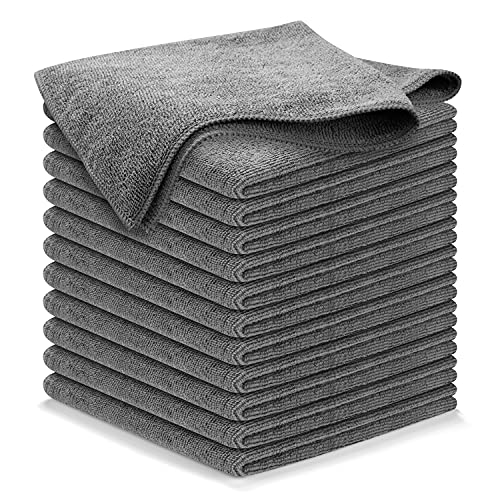
- Microfiber towels for freezer cleaning
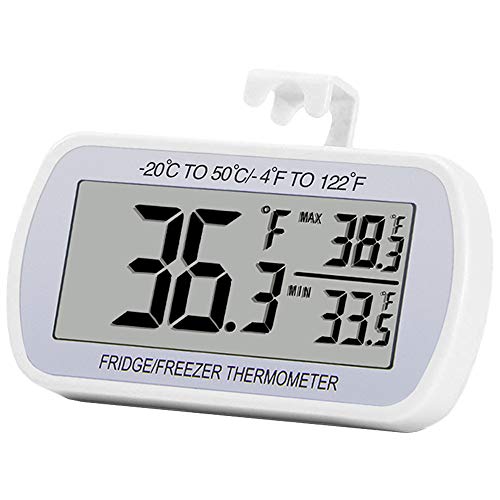
- Digital freezer thermometer
- Food-grade appliance degreaser spray

Before You Start
Prepare by removing all food and placing perishables in a cooler with ice packs if possible. Check for spoilage signs and dispose of any items directly affected by thawing. Ensure the area around the freezer is dry and well-ventilated. Plan for a cleaning window of 45–90 minutes depending on frost buildup. Safety notes include wearing gloves and avoiding boiling water or harsh solvents near plastic components.
Step-By-Step: How To Clean A Deep Freezer
- Unplug the freezer and open the door to begin thawing. Place towels to catch dripping water and frost. Wait until a manageable amount of ice has loosened.
- Remove all shelves and baskets. Wash them with warm, soapy water or a mild degreaser solution, then rinse and dry completely.
- Gently scrape away loose ice using the plastic ice scraper for freezer, taking care not to gouge the interior walls.
- Wipe interior surfaces with a microfiber towel dampened with a light cleaning solution. For sticky residues, apply a small amount of food-grade appliance degreaser spray and let sit briefly before wiping clean.
- Rinse or wipe away any cleaner residue with a clean, damp microfiber towel. Dry all surfaces thoroughly to prevent new frost formation.
- Clean the door gasket with a soft cloth and mild cleaner, focusing on folds where grime can accumulate. Dry thoroughly to maintain a good seal.
- Inspect and replace any damaged seals or hinges if needed. Reinstall shelves and baskets in their original positions for consistent airflow.
- Reconnect power and set the thermometer to monitor the interior temperature. Allow the freezer to reach its normal operating temperature before restocking.
- Restock items in a logical order, grouping similar foods together. Label items if feasible to reduce future frost buildup and simplify future cleanings.
Troubleshooting
| Symptom | Likely Cause | Fix | Prevention |
|---|---|---|---|
| Persistent frost after cleaning | Defective door seal or improper closure | Inspect gasket, clean, and replace if cracked | Keep door closed as much as possible; ensure proper level alignment |
| Musty odor despite cleaning | Trapped moisture or spoiled food | Dry thoroughly; discard any questionable items | Store items in sealed containers; use baking soda or charcoal sachets temporarily |
| Uneven cooling | Blocked airflow due to overcrowding | Rearrange shelves to leave clear airflow paths | Avoid overpacking; allow space around shelves |
| Water leaks during defrost | Excessive frost buildup melting too fast | Place towels to manage runoff; slow the defrost with gradual warming | Regular cleaning schedule to prevent heavy frost |
Common Mistakes
- Using boiling water or harsh solvents that can warp plastic parts
- Leaving moisture on surfaces, which accelerates frost formation
- Neglecting the door gasket, causing inefficient sealing
- Rushing the defrost process and overheated components
Careful attention to materials and timing helps maintain energy efficiency and prolongs the freezer’s life. This step-by-step approach prioritizes safety and effective cleaning without damaging components.
Tips For Best Results
- Schedule regular cleanings every 6–12 months, or when frost thickness exceeds 1/4 inch.
- Keep a dedicated microfiber towel in the kitchen for quick wipe-downs after groceries are moved in or out.
- Use a digital freezer thermometer to confirm the interior stabilizes around 0°F (-18°C) after cleaning.
- Store produced ice or frozen goods in airtight containers to minimize moisture exposure during cleaning sessions.
Call A Professional
Call a professional if the freezer shows ongoing frost buildup despite cleaning, if the door seal is severely damaged, or if the unit fails to reach its target temperature after defrosting. Also seek help for electrical smells, unusual noises, or frost in unusual locations that suggests a mechanical fault.
FAQ
How often should I clean a deep freezer?
Most households benefit from a thorough cleaning every 6–12 months, or sooner if noticeable frost, odors, or spills occur.
Can I speed up defrosting safely?
Yes. Use towels to absorb meltwater and avoid using hot water or forced heat directly on the ice. A gentle warm environment and time are safest.
What cleaning products are safe for freezers?
Use non-abrasive cleaners and a food-grade appliance degreaser spray when needed. Always rinse and dry thoroughly.
Do I need to remove all food during cleaning?
Yes. Removing contents prevents contamination and makes the process easier. Keep perishables cold during the work.
What should I do if the gasket is damaged?
Replace the gasket promptly to maintain proper sealing and efficiency.
Is baking soda a good deodorizer inside a freezer?
Yes, placing a small open box of baking soda can help control odors between deep cleanings.
What maintenance helps prevent rapid frost buildup?
Organize items to improve airflow, avoid frequent door openings, and perform light monthly cleanups focused on spills and residue.
Buying Guide
When selecting a deeper freezer, consider factors that influence maintenance, efficiency, and placement. Size matters for your space and storage needs, while noise level and energy efficiency determine daily comfort and operating costs. Controls should be intuitive, with a reliable thermostat and clear temperature readouts.
Placement options affect accessibility and airflow. Choose a location that allows for easy cleaning and adequate clearance around the ventilation grille. If space is tight, a compact deep freezer with adjustable shelves can simplify organization and reduce frost buildup.
For frequent users, look for a model with efficient frost-free features or auto-defrost to minimize manual cleaning. Evaluate interior lighting, door seals, and the availability of removable shelves for straightforward sanitation. Finally, pairing the freezer with compatible accessories—like a digital freezer thermometer and easy-to-clean interior surfaces—helps maintain consistent temperatures and prolongs appliance life.