Quick Answer
For a fast, effective clean, gather a porcelain sink scrub brush with non-scratch nylon bristles, a stainless steel sink cleaning brush, a silicone scrubber for non-abrasive scrubbing, a microfiber cloth for polishing, and a crevice brush for tight spots. Use warm soapy water or a gentle cleaner, scrub in small circles, rinse, and dry to prevent water spots. Finish with a microfiber cloth to buff away smudges.
What You’ll Need
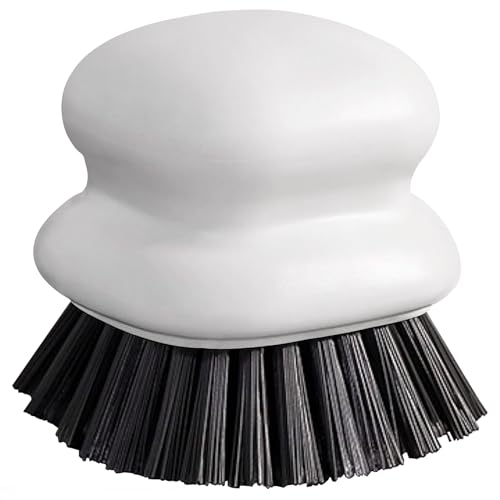
- Porcelain bathroom sink scrub brush non-scratch nylon bristles
- Stainless steel bathroom sink cleaning brush set non-scratch
- Silicone bathroom sink scrubber for non-abrasive cleaning
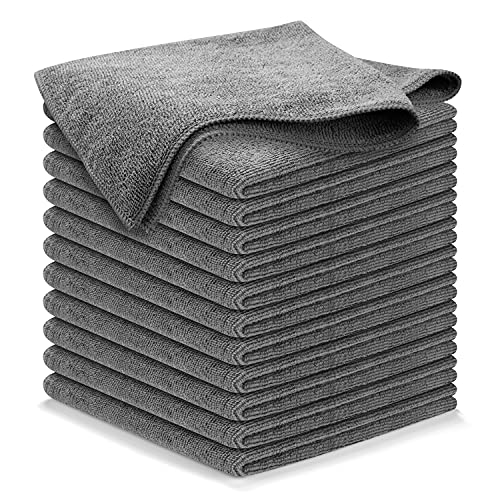
- Microfiber cleaning cloth for bathroom sink polishing and dusting
- Crevice brush for faucet and drain cleaning bathroom sink

Before You Start
Before cleaning, remove items from the sink area and rinse loose debris down the drain. Check for any chips or cracks in the porcelain or stainless steel that could worsen with scrubbing. Use warm water and a mild, non-abrasive cleaner to avoid scratching surfaces. Consider safety: wear gloves if skin is sensitive and ensure good ventilation if using cleaners with scents. Plan for 15–30 minutes to complete the routine, depending on the level of buildup.
Critical cautions: avoid harsh or abrasive powders on porcelain, do not mix cleaners without rinsing, and never use metal brushes on delicate finishes. Always test a small inconspicuous area first.
Step-By-Step: How To Clean Bathroom Sinks
- Remove personal items and wet the sink surface with warm water to loosen grime.
- Apply a small amount of mild cleaner or soap directly to the sink and to the porcelain bathroom sink scrub brush non-scratch nylon bristles or silicone scrubber.
- Scrub the basin using gentle, circular motions, focusing on rings around the drain and faucet.
- Use the crevice brush for faucet and drain cleaning bathroom sink to dislodge debris from tight corners and seams.
- Rinse thoroughly with warm water, ensuring all cleaner residues are removed from the basin and faucet.
- Dry the surface with a microfiber cleaning cloth for bathroom sink polishing and dusting to prevent water spots and streaks.
- For stubborn stains, switch to a stainless steel bathroom sink cleaning brush set non-scratch and alternate with a silicone scrubber to avoid scratching.
- Inspect the drain area for clogs or buildup, and repeat targeted brushing if needed.
- Wipe surrounding countertops and any chrome fixtures with a microfiber cloth to restore shine.
- Store brushes dry and upright to prevent mildew, and replace worn brushes when bristles breed fraying.
- Consider a weekly routine to maintain cleanliness and prevent heavy buildup over time.
Troubleshooting
| Symptom | Likely Cause | Fix | Prevention |
|---|---|---|---|
| Streaks after cleaning | Residue or hard water deposits | Wipe with a fresh microfiber cloth and a small amount of cleaner; dry thoroughly | Regular drying after use; use a water-softening agent if needed |
| Scratches on porcelain | Using abrasive pads or misused brushes | Switch to non-scratch nylon bristles; avoid steel wool | Use gentle pressure; test cleaners first |
| Drain clogs | Collected hair and soap scum | Use crevice brush to clear; run hot water after cleaning | Brush the drain area weekly to prevent buildup |
| Faucet corrosion or dull chrome | Harsh cleaners or mineral deposits | Switch to non-abrasive cleaners and buff with microfiber | Wipe dry after use and clean regularly |
Common Mistakes
- Using abrasive brushes or powders on porcelain or stainless steel
- Leaving cleaner on surfaces too long, causing residue or discoloration
- Ignoring under-sink areas where moisture can collect, leading to mold
- Rushing the rinse step, which leaves streaks and soap scum
Tips For Best Results
- Choose non-scratch tools to preserve surface finishes
- Use warm water and mild cleaners for everyday maintenance
- Buff dry with a microfiber cloth for a sparkling finish
- Schedule a quick weekly wipe-down to reduce buildup
- Label tools to prevent cross-contamination between bathroom and kitchen cleaning supplies
Call A Professional
Call a pro if there are persistent stains that resist cleaning, persistent mold or mildew growth behind the faucet, or if the sink shows signs of structural damage. Seek urgent help for leaks, unusual odors, or if drainage remains slow despite routine maintenance.
FAQ
What is the best brush for porcelain sinks?
A porcelain-safe brush with non-scratch nylon bristles is ideal for routine cleaning and resistant to wear.
Can I use vinegar to clean my bathroom sink?
Vinegar is effective for mineral deposits but should be used sparingly on marble or natural stone; rinse thoroughly.
How often should I clean my sink?
Weekly light cleanings help maintain shine, with deeper cleans monthly or as needed for buildup.
Are microfiber cloths reusable?
Yes. Wash them separately from other fabrics and air-dry to maintain softness and effectiveness.
Buying Guide
When selecting cleaning tools for bathroom sinks in the United States, consider size, material, and compatibility with surfaces. A versatile set that includes a non-scratch nylon brush for porcelain, a stainless steel brush for tougher grime, a silicone scrubber for delicate surfaces, and a microfiber cloth offers flexibility for routine maintenance and deep cleans. Look for brushes with comfortable handles and bristles that won’t shed or scratch. A crevice brush helps reach faucets and drains, reducing stubborn buildup. Store tools dry to prevent mildew and extend their life.
Key factors to compare:
- Size and handle comfort for easy access under faucets
- Bristle material: non-scratch nylon for porcelain, stainless steel-free options for delicate areas
- Non-abrasive silicone scrubbers for gentle cleaning
- Quality microfiber cloths for polishing and dusting
- Durability of crevice brushes for tight spaces
- Ease of cleaning tools and storage options
Placement considerations: store near the sink for quick access, but keep away from moisture-prone cabinets to prevent mold. For households with hard water, choose tools and cleaners formulated to minimize mineral buildup. Ask about warranty and replacement parts for brush sets to ensure long-term value.