Kitchen cabinets can accumulate cooking oil and grease over time, leading to a dull finish and sticky surfaces. This guide provides practical steps to safely remove oil from wood and laminate cabinets using common cleaning products and tools. By following a structured approach, homeowners can restore brightness without damaging finishes.
Quick Answer
For most cabinets, begin with a gentle degreaser spray, then scrub with a non-scratch pad or microfiber cloth. Rinse and dry, and repeat if necessary. Avoid abrasive cleaners on wood and always test a small area first.
What You’ll Need
- citrus degreaser spray for cabinet oil removal
- multi-surface degreaser for kitchen cabinets spray bottle
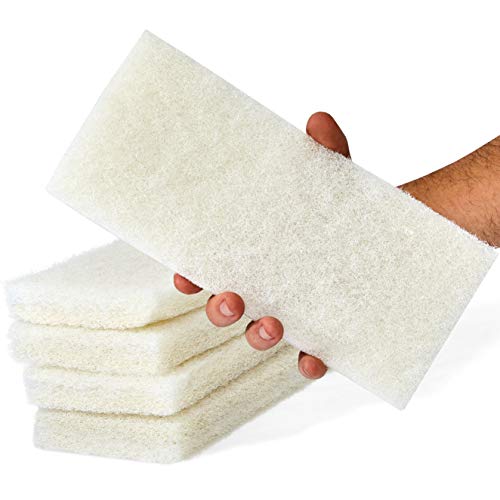
- non-scratch scrubbing pad for oil on wood cabinet
- microfiber cleaning cloth oil cabinet wipe
- plastic scraper for removing dried oil from cabinets


Before You Start
Prepare the area by removing items from the cabinets and laying down a towel or drop cloth. Work in a well-ventilated space and wear gloves to protect the skin. For painted or finished wood, test cleaners on a hidden spot to ensure the finish isn’t damaged. Typical time to complete is 15–45 minutes per cabinet section, depending on buildup. Always avoid ammonia-based cleaners on aluminum hardware unless specified by the manufacturer.
Step-By-Step: How To Clean Oil Off Cabinets
- Remove loose dust with a dry microfiber cloth to prevent grinding grease into the finish.
- Spray a citrus degreaser or multi-surface degreaser onto a small area of the cabinet, focusing on oily spots.
- Let the cleaner sit for 30–60 seconds to loosen grease, then wipe with a non-scratch scrubbing pad in gentle circular motions.
- For stubborn film, apply a second light coat and use the plastic scraper to lift dried oil carefully from edges or grooves.
- Wipe the surface with a clean microfiber cloth to remove loosened oil and cleaner residue.
- Rinse a separate cloth with clean water and wipe down to remove any cleaner residue.
- Dry thoroughly with a dry microfiber cloth to prevent water spots and protect the finish.
- Inspect for missed spots; repeat the process on areas with visible buildup.
- For cabinets with heavy grease, repeat steps 2–7, using a slightly stronger degreaser if needed.
- Finish with a light, furniture-safe polish or conditioner if the finish is wood and recommends it by the manufacturer.
- Reassemble doors and hardware after everything is completely dry.
- Regular maintenance: wipe down surfaces weekly with a damp cloth and a mild degreaser as needed.
Troubleshooting
| Symptom | Likely Cause | Fix | Prevention |
|---|---|---|---|
| Streaky finish after cleaning | Residual cleaner or water | Wipe with a clean damp cloth, then dry immediately | Rinse thoroughly; avoid soaking wood |
| Grease reappears quickly | Deep-seated oil or unfinished surfaces | Apply a deeper degreaser and repeat | Wipe spills promptly and seal wood if needed |
| Scratched wood or dull finish | Over-aggressive scrubbing | Switch to softer pad and gentler motion | Test first; avoid abrasive tools |
| Stains on painted surfaces | Oil penetrating the paint | Use a milder cleaner and consider repainting in affected areas | Address spills quickly |
Common Mistakes
- Using harsh solvents on wood or painted surfaces, which can remove finish
- Scrubbing hard with abrasive pads that scratch the surface
- Skipping a rinse step, leaving cleaner residue that attracts more dirt
- Over-wetting cabinets, especially wood, which can warp or swell
Choosing the right product and technique helps protect cabinet finishes while removing oil effectively.
Tips For Best Results
- Test cleaners on a hidden cabinet area before full use.
- Work in small sections to control buildup and avoid drips onto floors.
- Store cleaning tools within reach for quick touch-ups after cooking
- For natural wood, consider a specialized wood cleaner after removing oil to restore luster
- Label and organize products to ensure you always use the most appropriate cleaner for a given surface
Call A Professional
Consult a professional if cabinet finishes show significant peeling, staining, or if oil buildup is entrenched in veneers or laminates. Stop and seek help if peeling or bubbling occurs after cleaning, or if the cabinet structure feels loose or warped. A pro can advise on refinishing or replacement options and ensure finishes stay intact during maintenance.
FAQ
What is the best cleaner for oil on kitchen cabinets?
A citrus degreaser or a multi-surface degreaser is typically effective, followed by a microfiber cloth for wiping.
Can I use household vinegar to remove oil from cabinets?
Vinegar can work on some surfaces but may not be ideal for all finishes; test first and avoid prolonged exposure on wood finishes.
Is it safe to use soap and water on wood cabinets?
Yes for light cleaning, but oil and grease often require a degreaser for better results.
How often should I clean cabinet grease?
Wipe spills as soon as they occur and perform a thorough cleaning every few weeks or as buildup appears.
Should I oil or seal wood cabinets after cleaning?
For wood cabinets, apply a recommended conditioner or protective finish after drying if your manufacturer advises it.
What should I do about stubborn dried oil on edges?
Use a plastic scraper gently to lift dried oil, then repeat cleaning steps with a softer pad.
Can I speed up the process with a steam cleaner?
Steam can lift grease but may damage finishes; avoid steam on unsealed or delicate surfaces.
Buying Guide
When choosing products to keep oil off cabinets, consider size, compatibility with cabinet finishes, and ease of use. Look for degreasers that are safe on wood, laminate, and painted surfaces. Noise level is not a factor for sprays, but ease of application matters. Consider packaging sizes that match your cleaning routine to minimize waste. Assess how the cleaner performs on heavy grease versus light smudges and whether it requires rinsing. Placement should be convenient—store near the cleaning area for quick maintenance and avoid storing near heat sources or direct sunlight that can degrade the product. For best results, use a combination of a degreaser spray, a non-scratch pad, and microfiber cloths, as outlined in the guide.